

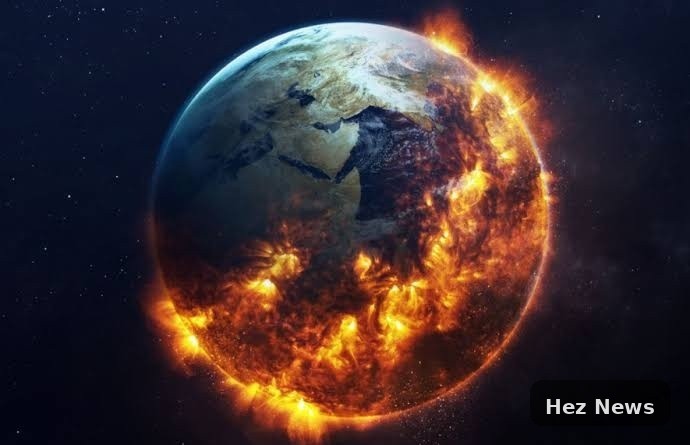
Washington: In a significant shift in the global climate discourse, the United Nations has released a report indicating that the world has missed its chance to avert some of the most severe impacts of global warming. This revelation comes as nations grapple with rising temperatures and their associated consequences.
The UN's findings highlight the urgency of addressing climate change, as the effects are already being felt worldwide, including in Nigeria. With increasing temperatures leading to unpredictable weather patterns, the need for immediate action has never been more critical.
Global Warming: A Growing Threat
The report emphasizes that, despite international efforts to curb greenhouse gas emissions, the planet is on a trajectory that may result in catastrophic environmental changes. The UN's message is clear: while some harm can still be mitigated, the window for prevention has largely closed.
Nigeria, particularly vulnerable to climate change, has already experienced severe droughts, flooding, and shifts in agricultural productivity. These changes threaten food security and the livelihoods of millions. The UN's acknowledgement of the situation reflects a broader recognition of the urgent need for adaptive measures.
Nigeria's Response to Climate Challenges
In light of these challenges, Nigeria must enhance its climate resilience strategies. This includes investing in sustainable agricultural practices, improving disaster response mechanisms, and promoting renewable energy sources. Local governments and communities are urged to participate actively in climate adaptation initiatives.
Additionally, international collaboration is essential for Nigeria to access the resources and technology needed to combat climate change effectively. The UN report serves as a wake-up call for both policymakers and citizens to prioritize environmental sustainability.
Looking Ahead: What Can Be Done?
Experts suggest that the focus should now shift towards developing adaptive strategies to cope with the effects of climate change that are already in motion. This includes enhancing infrastructure to withstand extreme weather events, implementing water conservation techniques, and promoting awareness about climate issues among the populace.
Furthermore, engagement in global climate discussions is pivotal. As Nigeria continues to face the realities of climate change, the nation must also hold developed countries accountable for their historical emissions and seek support for climate adaptation efforts.
The UN report is a stark reminder that while the opportunity to prevent some of the worst impacts of climate change may have slipped away, there is still time to act. By taking decisive steps now, Nigeria can work towards a more sustainable future for its citizens and the planet.






Leave a Comment