

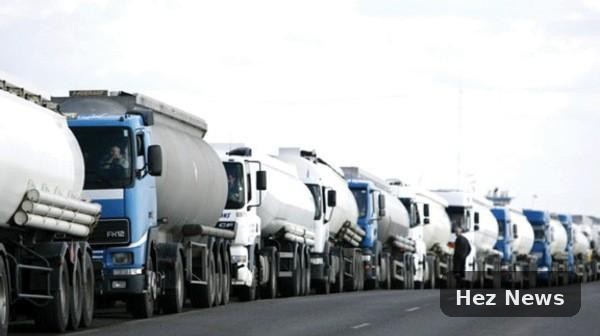
The National Union of Edible Oil Tanker Drivers of Nigeria (NUEOTDN) has expressed serious concerns regarding the practice of utilizing petroleum tankers for the transportation of edible oil. The union argues that this trend poses significant risks to food safety and public health.
Concerns Over Food Safety
In a recent statement, NUEOTDN highlighted that petroleum tankers are primarily designed for transporting hazardous materials such as fuel and chemicals. As such, the residual effects and potential contamination from these tankers could compromise the quality of edible oils being transported.
“Using these tankers for edible oil is not only unsafe but also poses a potential health risk to consumers,” stated the union’s spokesperson. He further emphasized that the integrity of food products must be prioritized to prevent any adverse health consequences.
Regulatory Oversight and Standards
The union called for stricter regulations and oversight to ensure that only dedicated and properly maintained tankers are used for food transportation. NUEOTDN advocates for the enforcement of standards that distinguish between vehicles meant for hazardous materials and those designated for food-grade products.
It is crucial for regulatory bodies, such as the National Agency for Food and Drug Administration and Control (NAFDAC), to step up their efforts in monitoring transport practices within the edible oil sector. “We need to ensure that the vehicles transporting our food are safe and suitable for that purpose,” the spokesperson added.
Industry Response
The edible oil industry has seen a significant rise in demand, which has led to increased pressure on logistics and transportation. However, this should not come at the expense of safety and quality. Major stakeholders in the industry are encouraged to collaborate with NUEOTDN to address these concerns proactively.
In light of these issues, experts recommend that companies involved in edible oil production and distribution invest in dedicated food-grade tankers. This would not only enhance product safety but also boost consumer confidence in the industry.
Conclusion
As the discourse around food safety continues to gain momentum in Nigeria, it is imperative that all stakeholders prioritize the health of consumers. The NUEOTDN’s concerns are a timely reminder of the potential hazards that arise when safety standards are overlooked in the pursuit of efficiency.
Consumers are encouraged to be vigilant about the sources of their edible oils and to advocate for better practices within the industry. Ensuring that edible oil is transported in safe and suitable conditions is essential for safeguarding public health.






Leave a Comment