

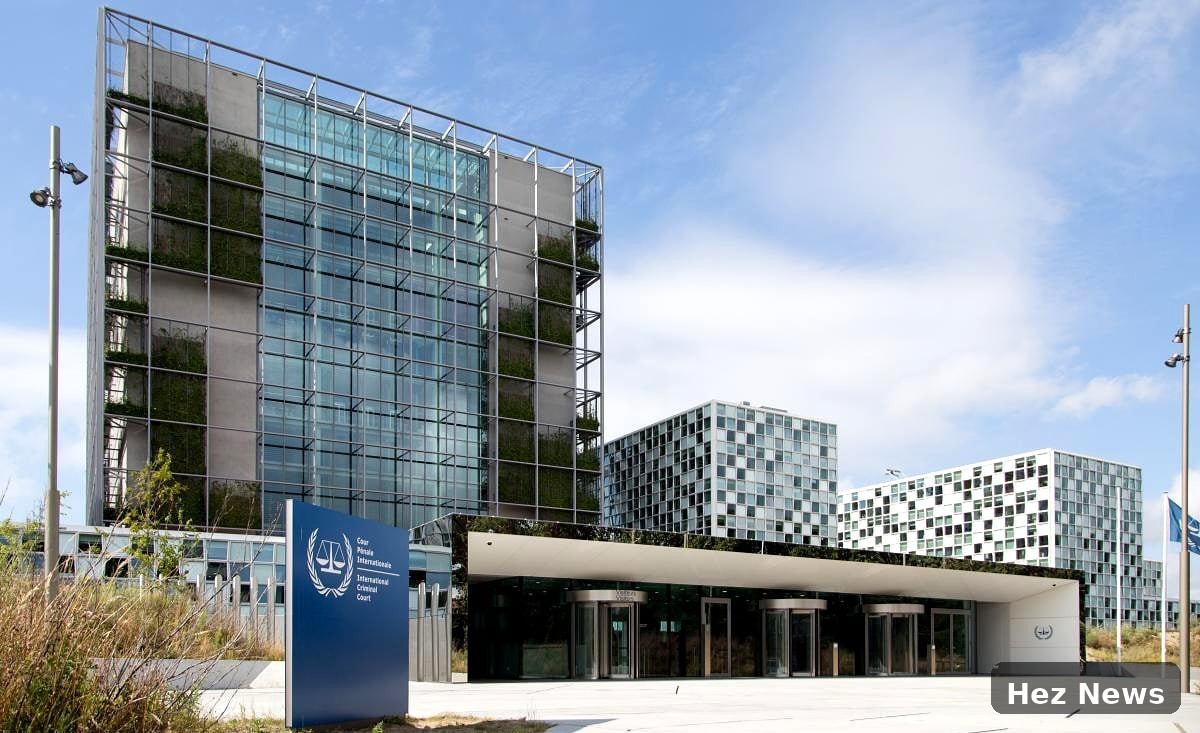
The United States has announced new sanctions targeting the International Criminal Court (ICC), a move that raises questions about international law and justice. This decision was made under Executive Order 14203, which was signed by former President Donald Trump.
Background on the ICC
The ICC, based in The Hague, is an international tribunal established to prosecute individuals for crimes such as genocide, war crimes, and crimes against humanity. While the court has faced criticism and challenges, it plays a crucial role in holding perpetrators accountable on a global scale.
Details of the Sanctions
The sanctions include restrictions on certain transactions involving the ICC, effectively isolating the court from potential financial and operational support. This move has been met with mixed reactions, particularly from countries that advocate for human rights and international justice.
Implications for Nigeria
For Nigeria, a nation that has grappled with various internal conflicts and human rights issues, the implications of these sanctions could be significant. The ICC has been involved in investigating allegations of crimes committed during Nigeria's Boko Haram insurgency and the ongoing clashes between herders and farmers. The sanctions may hinder the ICC's ability to pursue its investigations effectively.
International Reactions
Many countries and international organizations have condemned the US sanctions, viewing them as an attack on global justice mechanisms. Critics argue that such actions undermine the ICC's authority and its essential role in promoting accountability for war crimes and atrocities.
Conclusion
As the situation develops, it remains to be seen how these sanctions will affect the ICC's operations and its relationship with member states, including Nigeria. The international community's response will be crucial in determining the future of global justice advocacy.





Leave a Comment