


The United States has taken significant steps in its ongoing efforts to combat terrorism and international crime by imposing sanctions on several individuals and entities linked to the Muslim Brotherhood and the CJNG cartel. On Thursday, the U.S. Department of the Treasury announced that it sanctioned a senior member of the Egyptian Muslim Brotherhood, Mahmoud al-Abyari, who is based in the United Kingdom.
Background on Mahmoud al-Abyari
Mahmoud al-Abyari has been identified as a senior official of the Muslim Brotherhood, an organization that has been a focal point of geopolitical tensions, especially in the Middle East. The U.S. government has linked the Muslim Brotherhood to various forms of extremism and has expressed concerns about its influence in different regions, including Africa.
Details of the Sanctions
In addition to al-Abyari, the U.S. sanctions also targeted three other individuals and three entities associated with the CJNG cartel (Jalisco New Generation Cartel), a notorious criminal organization operating primarily in Mexico. These sanctions are part of a broader strategy to disrupt the financial networks that support terrorist organizations and drug trafficking operations.
The sanctions mean that all assets of the sanctioned individuals and entities that are within U.S. jurisdiction will be frozen. Furthermore, any U.S. citizens or companies are prohibited from engaging in transactions with them, thereby cutting off potential funding sources.
Implications for Nigeria
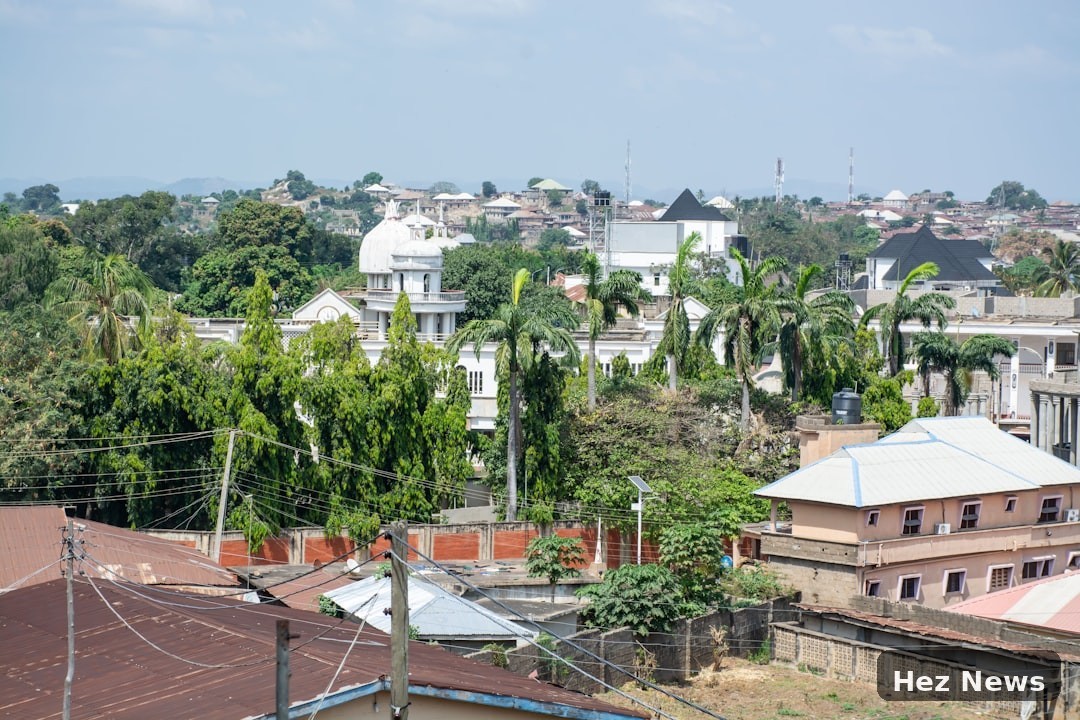
While the sanctions are primarily focused on international actors, their implications may be felt in Nigeria and across Africa. The Muslim Brotherhood and similar organizations have been known to inspire various groups within Nigeria, some of which have engaged in violent extremism.
Nigeria has been grappling with its own challenges related to terrorism, particularly in the northeastern region, where groups like Boko Haram have caused widespread devastation. The U.S. government's actions may serve as a reminder of the interconnectedness of global terrorism and the necessity for countries, including Nigeria, to remain vigilant against extremist ideologies.
International Response
The international community's response to these sanctions has been mixed. Some nations support the U.S. efforts to curb terrorism and criminal activities, while others criticize what they perceive as a unilateral approach that overlooks local contexts and dynamics. The complexities of international relations mean that sanctions can sometimes have unintended consequences, particularly in regions already facing significant instability.
Conclusion
The U.S. sanctions against Mahmoud al-Abyari and others reflect an ongoing commitment to addressing global security threats. For Nigeria, the impact of these sanctions may serve as both a cautionary tale and a call to action in the fight against domestic terrorism and radicalization. As the situation evolves, it will be crucial for Nigerian authorities and citizens to engage with international partners to ensure a comprehensive approach to security.




Leave a Comment