

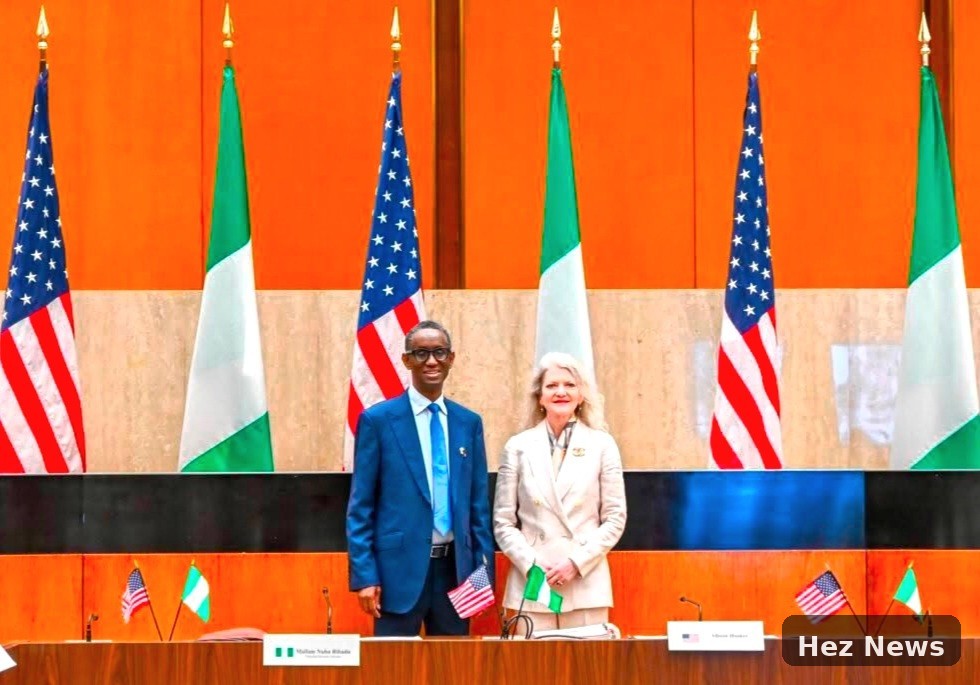
The joint efforts between the United States and Nigeria to address the pressing issues of Christian protection and the prosecution of terrorists took a significant step forward during the recent session of the United States-Nigeria Joint Working Group (JWG). This important meeting occurred in Washington earlier this week, marking the second session dedicated to Nigeria's Particular Concern Designation.
Background on the Joint Working Group
The JWG was established to foster collaboration between the US and Nigeria on various human rights concerns, particularly those affecting religious minorities. The designation of Nigeria as a country of particular concern highlights the ongoing challenges faced by Christians and other religious groups in the nation, where violence and persecution have become increasingly prevalent.
Focus on Christian Protection
During the discussions, both parties emphasized the need for enhanced measures to protect Christians in Nigeria, who have been victims of attacks by extremist groups. Reports indicate that thousands of Christians have faced violence, displacement, and even loss of life at the hands of militant groups.
The US has pledged to support Nigeria in strengthening its security forces and improving intelligence-sharing capabilities to better protect vulnerable communities. This commitment comes as a response to the alarming rise in violence that has seen communities torn apart by religious intolerance.
Prosecution of Terrorists
Another crucial aspect of the discussions centered on the prosecution of terrorists. The US officials reiterated their support for Nigeria's judicial system to ensure that those responsible for acts of terrorism are held accountable. This includes not only the perpetrators of violence but also the financiers and enablers who support such activities.
Nigeria's government has faced criticism in the past for its handling of terrorist cases and the perceived leniency towards certain groups. The US is urging the Nigerian authorities to adopt more stringent measures to combat terrorism effectively and to ensure that justice is served.
International and Local Response
The collaboration has been met with optimism from various stakeholders, including human rights organizations. Many believe that stronger ties between the US and Nigeria could lead to meaningful changes that protect the rights of religious minorities and enhance security.
However, local activists remain cautious, urging the Nigerian government to take decisive action rather than relying solely on international partnerships. They stress that the protection of citizens should be a top priority for the Nigerian administration, and that accountability must be pursued without delay.
Conclusion
The recent JWG session underscores the importance of international cooperation in addressing complex humanitarian issues within Nigeria. As both nations work together to combat violence against Christians and improve the prosecution of terrorists, there is hope for a more peaceful future for all religious groups in Nigeria.


Leave a Comment