

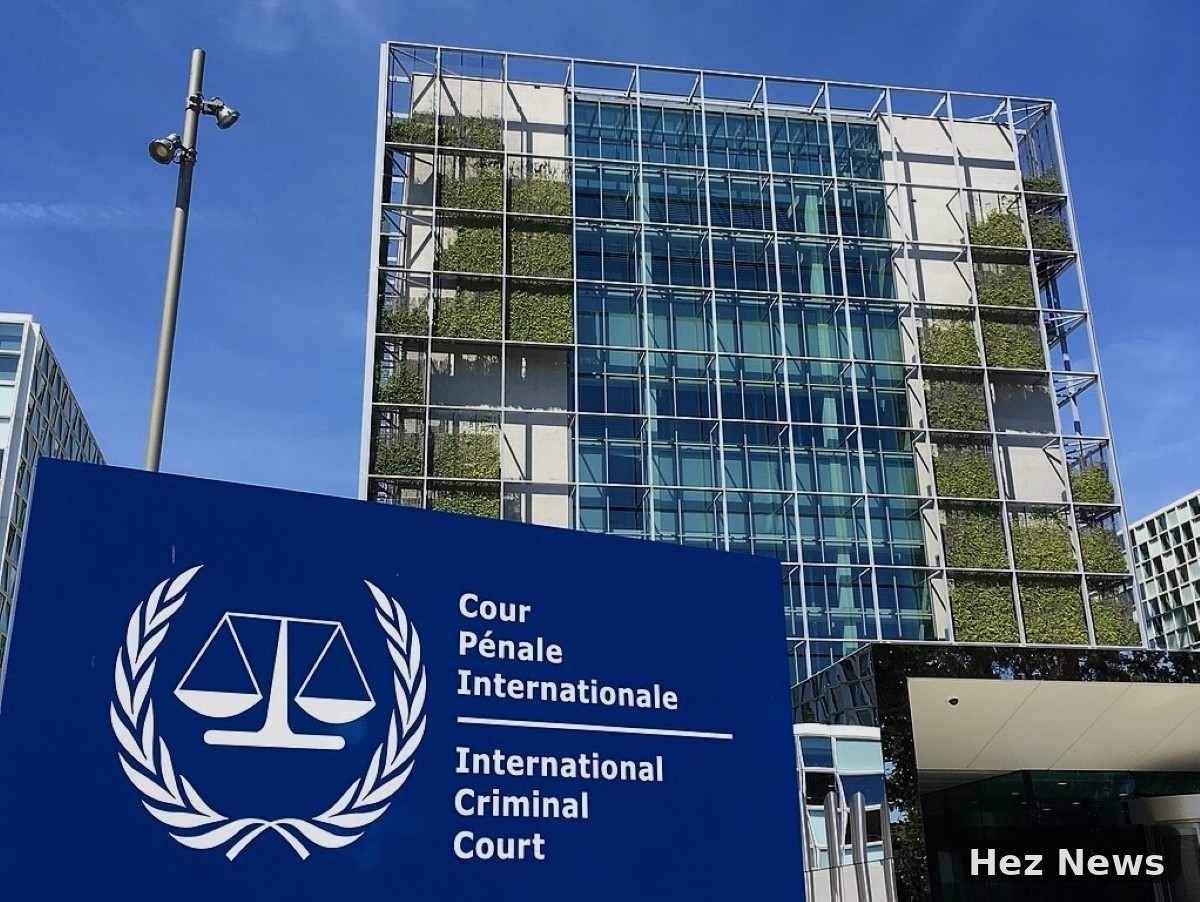
In a significant legal move, four prominent human rights organizations based in the United States have initiated a lawsuit against the Trump administration. The lawsuit centers around the accusation that the administration has illegally imposed sanctions on individuals and entities connected to the International Criminal Court (ICC).
Background of the Sanctions
These sanctions were enacted in response to the ICC's investigation into alleged war crimes, particularly concerning actions by U.S. military personnel. The Trump administration's decision to sanction ICC officials and affiliates raised alarms among legal experts and human rights advocates who argue that such measures undermine international justice.
Implications for Nigeria and Africa
For Nigeria, which has its own complex history with issues of justice and human rights, this lawsuit resonates on multiple levels. The ICC has previously been involved in cases concerning Nigerian leaders and military actions during conflicts, making the outcome of this lawsuit particularly relevant. Nigerians and African nations have often viewed the ICC with a mix of hope and skepticism, and any actions by a major power like the U.S. can have significant ramifications.
The Stance of Human Rights Groups
According to the organizations involved in the lawsuit, including well-known entities like the American Civil Liberties Union (ACLU) and Human Rights Watch, the sanctions not only violate U.S. law but also threaten the integrity of the ICC. They argue that by penalizing individuals for their work related to international justice, the Trump administration is setting a dangerous precedent that could deter future accountability for human rights violations around the world, including in Nigeria.
Legal and Political Reactions
The lawsuit has spurred a mixed response within the political landscape in the U.S. Some lawmakers have expressed support for the ICC and criticized the sanctions, while others defend the administration's actions as necessary to protect American interests. This divergence in opinions highlights the ongoing debate over the U.S.'s role in international law and justice.
Conclusion
As the case unfolds, its implications could extend beyond U.S. borders, affecting perceptions of international justice frameworks. For Nigerian observers, the outcome may further influence how Nigeria engages with the ICC and its own justice initiatives. The lawsuit serves as a reminder of the delicate balance between national interests and global accountability, a balance that Nigeria continues to navigate in its quest for justice and governance.



Leave a Comment