

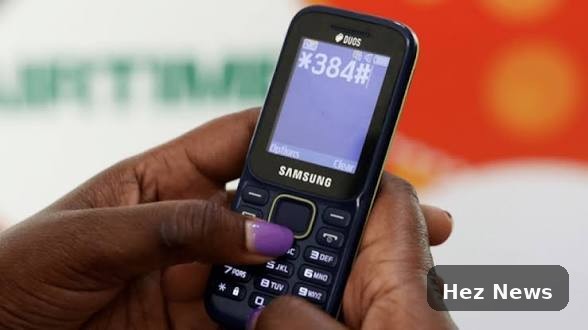
In recent times, millions of Nigerian bank customers have faced challenges when attempting to carry out transactions via Unstructured Supplementary Service Data (USSD). This widely used service, which allows users to access banking services through simple codes on their mobile phones, has seen a sharp increase in transaction failures, causing frustration among users.
Understanding USSD and Its Importance
USSD technology is a vital component of the Nigerian banking landscape, providing an accessible means for individuals to conduct banking activities without needing internet access. This service is particularly crucial in a country where many individuals may not have reliable access to data services.
However, recent reports indicate that even customers with significant bank balances are not exempt from USSD transaction failures. This has led to questions about the reliability and efficiency of the service.
Reasons for Increased Transaction Failures
Several factors contribute to the increasing failure rates of USSD transactions:
- Network Congestion: As more Nigerians turn to mobile banking, the networks often become congested, leading to failures in processing requests.
- Banking Infrastructure: Some banks are still upgrading their systems to handle the growing volume of transactions. This lag in infrastructure can lead to frequent errors.
- User Error: In some cases, users may not be entering the correct codes or may not have sufficient network coverage at the time of the transaction.
Impact on Users
The impact of these failures is significant. Many customers rely on USSD for daily transactions such as bill payments, fund transfers, and checking account balances. The inability to access these services can lead to delays in business operations and personal inconveniences.
Moreover, the frustration experienced by users trying to complete transactions can erode trust in mobile banking systems, which is detrimental to the overall financial ecosystem in Nigeria.
What Are Banks Doing?
In response to these ongoing issues, various banks are taking steps to improve the reliability of their USSD services. Initiatives include:
- Upgrading Technology: Banks are investing in better technology to handle the increased load and reduce transaction failures.
- Customer Education: Many banks are launching campaigns to educate their customers on best practices for using USSD services effectively.
Looking Ahead
As the reliance on mobile banking continues to grow in Nigeria, it is essential for banks to enhance the reliability of their USSD services. Addressing the underlying issues will not only improve customer experience but also bolster confidence in digital banking solutions.
In conclusion, while having a healthy bank balance is important, it is becoming clear that it is no longer a guarantee for successful transactions via USSD. Stakeholders must work collaboratively to ensure that mobile banking remains a viable option for all Nigerians.






Leave a Comment