

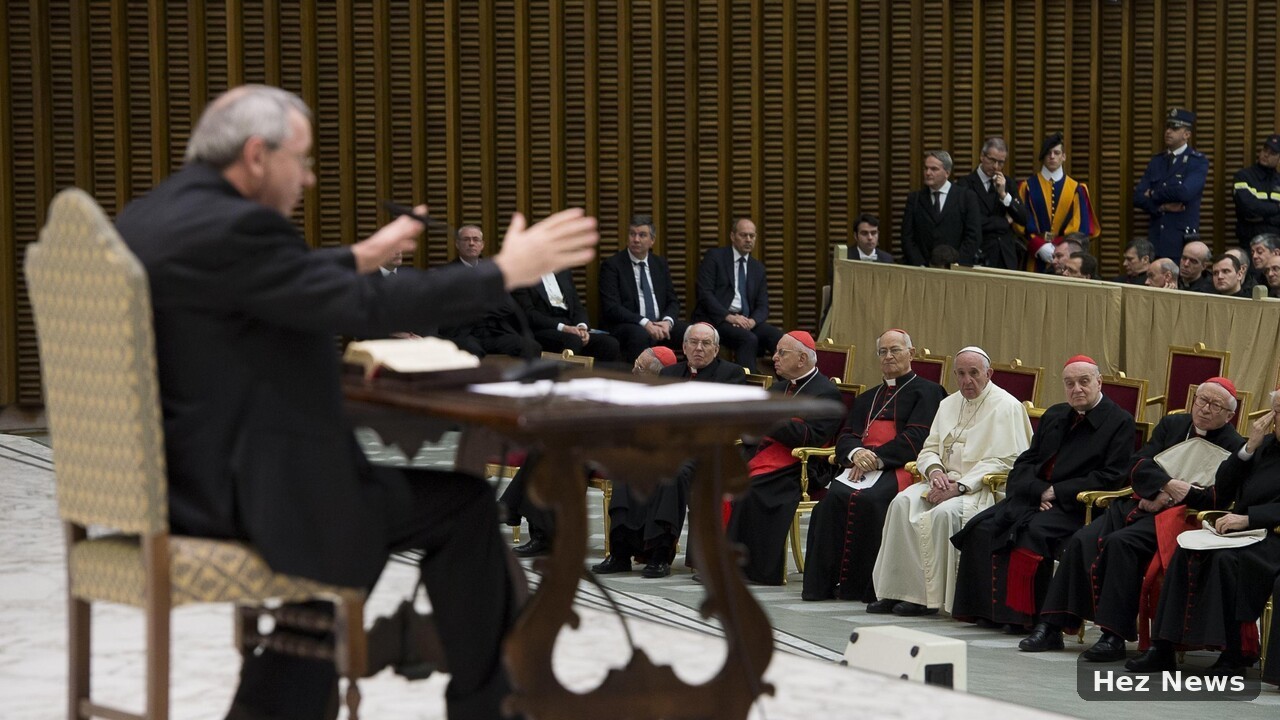
In a significant development, five alleged victims of Marko Rupnik, a renowned Slovenian mosaic artist and former Jesuit priest, have reached out to Pope Leo XIV to express their concerns regarding the ongoing silence surrounding his trial. This plea, made on Wednesday, highlights the frustrations and fears of those affected by the alleged sexual abuses committed by Rupnik.
Context of the Allegations
Marko Rupnik is widely recognized for his artistic contributions, including notable works in churches and religious institutions around the globe. However, his reputation has been marred by accusations of sexual misconduct that have surfaced in recent years. The allegations against Rupnik are not just local; they resonate with a global audience, sparking discussions on accountability within religious institutions.
The Victims' Concerns
The victims, in their correspondence to the Pope, expressed deep concern over what they consider to be an excessive silence regarding the handling of Rupnik's case. They argue that this silence not only prolongs their suffering but also undermines the integrity of the judicial process. The victims’ statement emphasizes that the lack of transparency is a disservice to all who have suffered abuse and seeks to hold accountable those who have wielded power.
The Role of the Church
This situation raises critical questions about the Church's handling of sexual abuse cases. In Nigeria, where the Catholic Church plays a significant role in the community, many are watching closely how these allegations are managed. The Church's response could set a precedent for how similar cases are treated in the future, especially in a country where faith and religious leadership significantly influence public opinion.
Calls for Transparency
The call for transparency is echoed by advocates for survivors of abuse worldwide, who argue that victims must be heard and that the Church must take responsibility for protecting its members. In a country like Nigeria, where the Church is a central part of many communities, the ramifications of such cases can be profound, affecting not only the victims but also the trust placed in religious institutions.
Conclusion
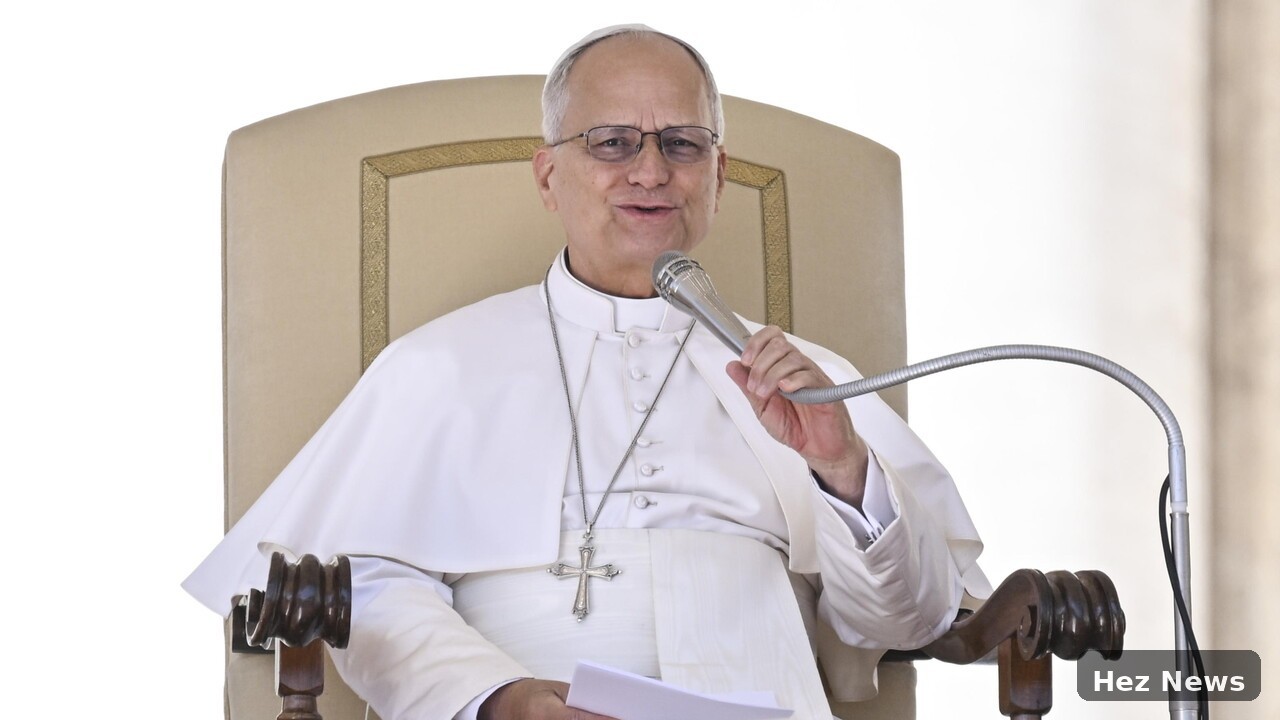
As this situation unfolds, the eyes of many will be on Pope Leo XIV and the Vatican to see how they respond to the allegations and the victims' plea for justice. The outcome of this case could have far-reaching implications not just in Slovenia or Europe but also in Nigeria, where the Church's influence remains strong. The call for accountability and transparency in handling such serious allegations is a vital step towards healing for victims and restoring faith in the institutions meant to protect them.





Leave a Comment