

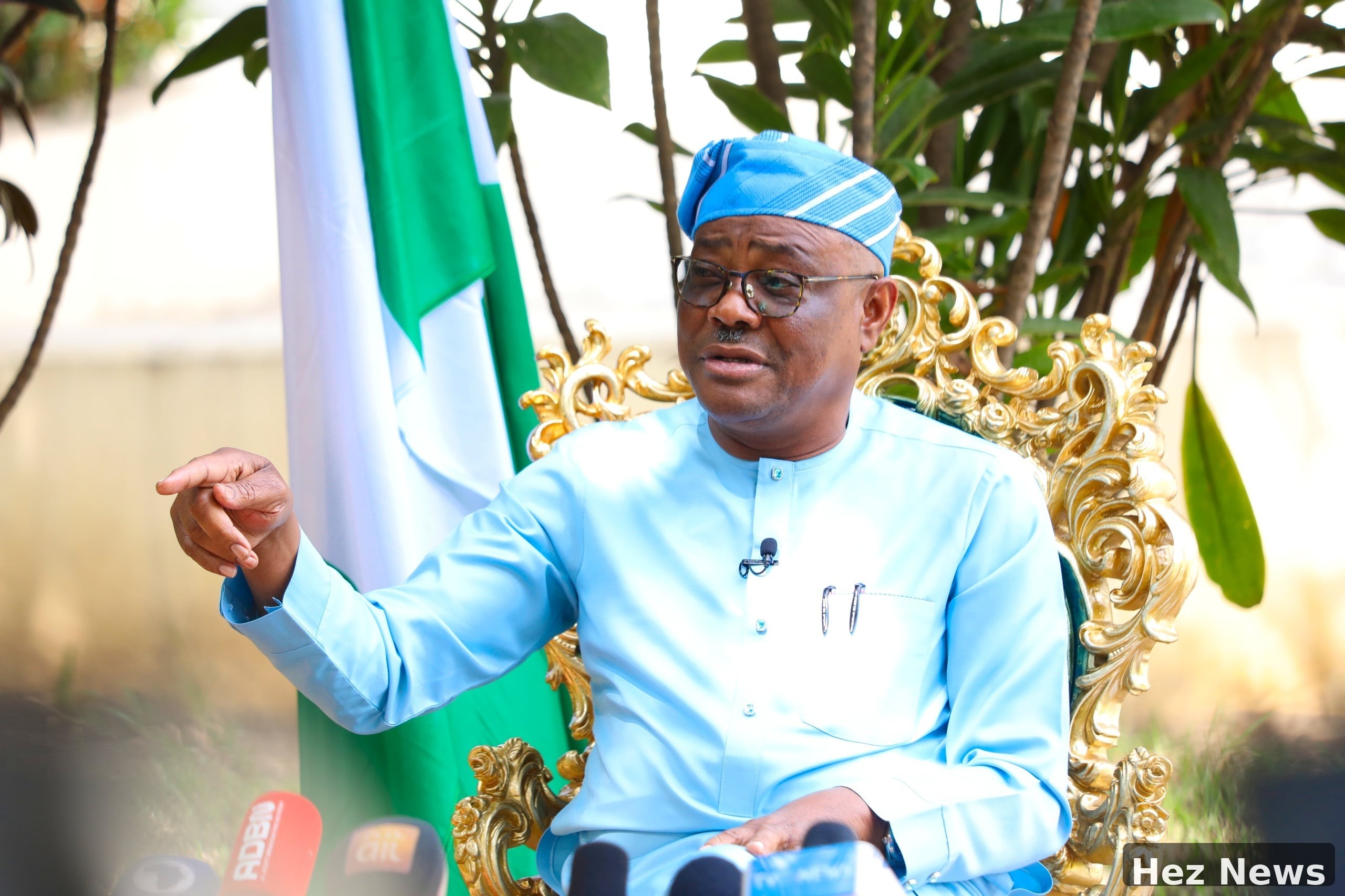
The Minister of the Federal Capital Territory, Nyesom Wike, recently addressed criticisms regarding his political style, clarifying that while he identifies as a Christian, he does not consider himself a pastor. This assertion came during a public engagement where Wike emphasized the distinction between his faith and his political responsibilities.
Background of Wike’s Political Journey
Nyesom Wike has been a prominent figure in Nigerian politics, particularly known for his forthrightness and sometimes controversial decisions. Having served as the governor of Rivers State, he has made significant contributions to the political landscape in Nigeria. His approach often combines a blend of personal conviction and strategic political maneuvering, which sometimes draws criticism.
Defending His Political Style
During the recent event, Wike stated, "I’m a Christian, but my political style is shaped by the demands of governance and not by religious doctrine." He argued that the complexities of political leadership require a pragmatic approach, one that may not always align with traditional religious expectations. Wike's remarks underscore a common debate in Nigerian politics about the role of faith in governance.
Public Reaction
The public response to Wike's comments has been mixed. Supporters argue that Wike's straightforwardness is refreshing in a political environment often riddled with insincerity. Critics, however, suggest that he should embody more of the ethical and moral standards expected from a Christian leader.
This dialogue is particularly relevant in Nigeria, where religion plays a significant role in politics. Many citizens expect their leaders to reflect their faith in their decision-making processes. Wike's comments may prompt further discussions about the intersection of faith and politics in the country.
The Importance of Integrity in Leadership
Wike's insistence on separating his religious identity from his political responsibilities raises important questions about integrity and authenticity in leadership. As Nigeria navigates its diverse religious landscape, leaders are increasingly challenged to find a balance between personal beliefs and public service.
In conclusion, Nyesom Wike's declaration that he is "a Christian, not a pastor" serves not only as a defense of his political style but also as a commentary on the expectations placed upon leaders in Nigeria. As the country continues to evolve politically, dialogues like these will be crucial in shaping the future of governance.

Leave a Comment