

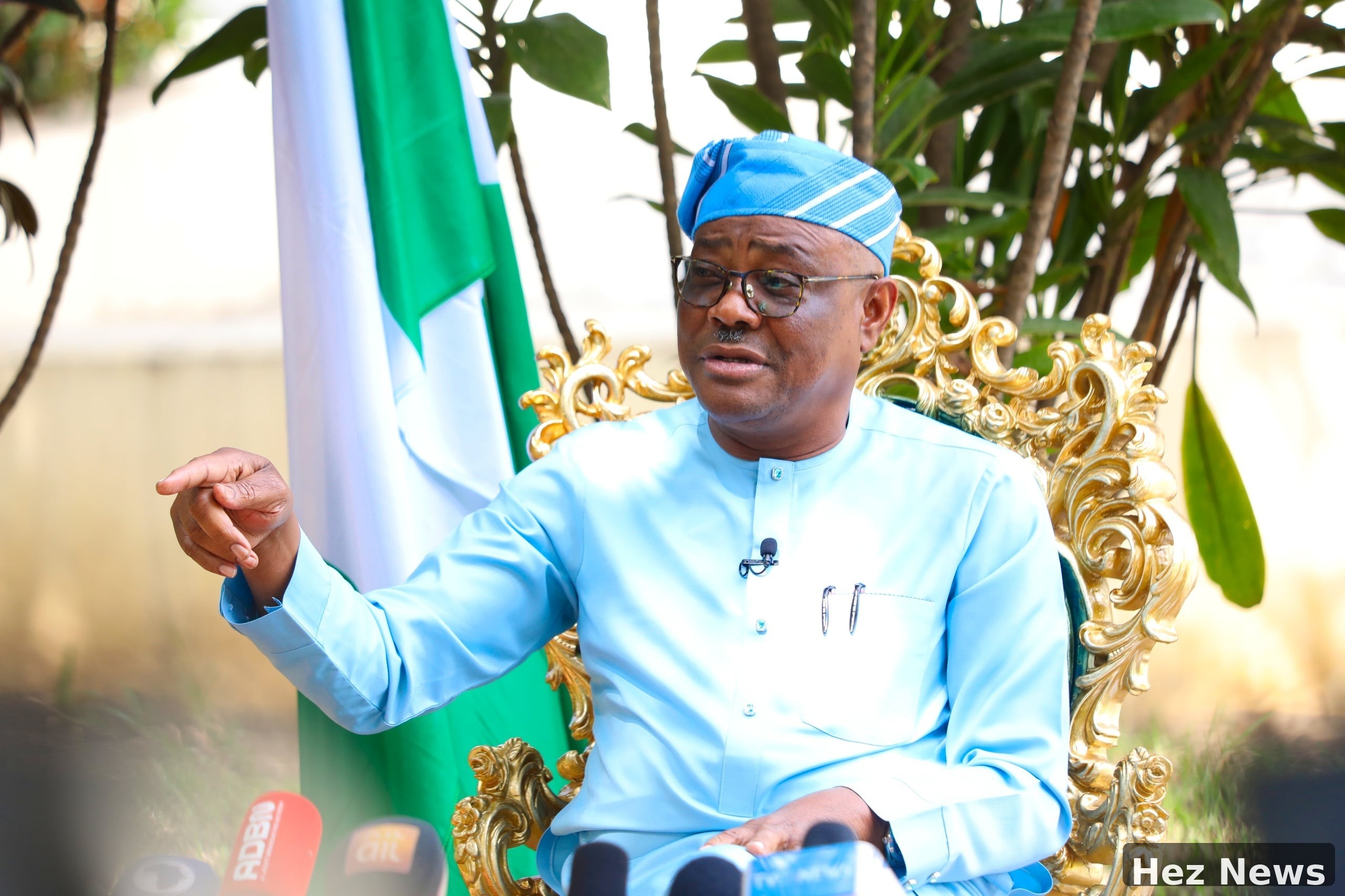
The Minister of the Federal Capital Territory, Nyesom Wike, has recently clarified his political approach, emphasizing that his role as a politician is distinct from his Christian faith. In a statement that has sparked various reactions, Wike asserted, “I’m a Christian, not a pastor.”
Understanding Wike's Political Philosophy
In the Nigerian political landscape, where religious affiliations often intertwine with governance, Wike’s remarks come as a reminder of the necessity for a clear separation between personal beliefs and political duties. The Minister’s comments were aimed at addressing the ongoing debates regarding the influence of faith in leadership roles.
Wike, known for his forthright style and controversial statements, indicated that while his Christian values inform his moral compass, they do not dictate his political strategies or decisions. “Being a Christian is about personal faith; it does not mean I must lead like a pastor,” he noted during a recent press briefing.
The Role of Faith in Nigerian Politics
Nigeria is a country where religion plays a significant role in the lives of its citizens, often affecting political alliances and public policies. This has led to a growing expectation that politicians should embody the moral and ethical standards associated with their faith. However, Wike's perspective challenges this norm, advocating for a more pragmatic approach to governance that prioritizes effective leadership over religious conformity.
In his defense, Wike highlighted that political leaders should focus on delivering results and improving the lives of citizens, rather than adhering strictly to religious expectations. “My job is to serve the people, and I will do so with integrity, regardless of my faith,” he added.
Reactions to Wike's Statements
The Minister’s statements have drawn mixed reactions from both the public and political commentators. Some observers applaud his candidness, viewing it as a necessary step towards a more secular approach to governance. Others, however, express concern that such comments may alienate voters who prioritize religious values in their choice of leaders.
Political analysts suggest that Wike's approach could either strengthen his position among a more secular-minded electorate or hinder his acceptance among deeply religious constituents. As Nigeria gears up for upcoming elections, the implications of such statements will be closely monitored.
Conclusion
Wike's assertion that he is a Christian but not a pastor highlights an essential discourse in Nigerian politics: the balance between faith and governance. As the political scene evolves, it remains to be seen how this perspective will influence not only Wike's political career but also the broader narrative surrounding religion in Nigeria's leadership.


Leave a Comment