

The Minister of the Federal Capital Territory (FCT), Nyesom Wike, has called on religious leaders in Nigeria to adopt a more supportive role towards the government. He emphasized that while criticism is a part of their duty, it is equally important for them to commend the government when it makes positive strides.
Wike's Call for Balanced Criticism
During a recent event in Abuja, Wike addressed the necessity for religious figures to not only highlight the shortcomings of the government but also to recognize its achievements. He stated, “Religious leaders should be advocates for progress and not just critics.” This statement comes in light of ongoing discussions regarding the role of faith leaders in national issues.
The Role of Religious Leaders in Governance
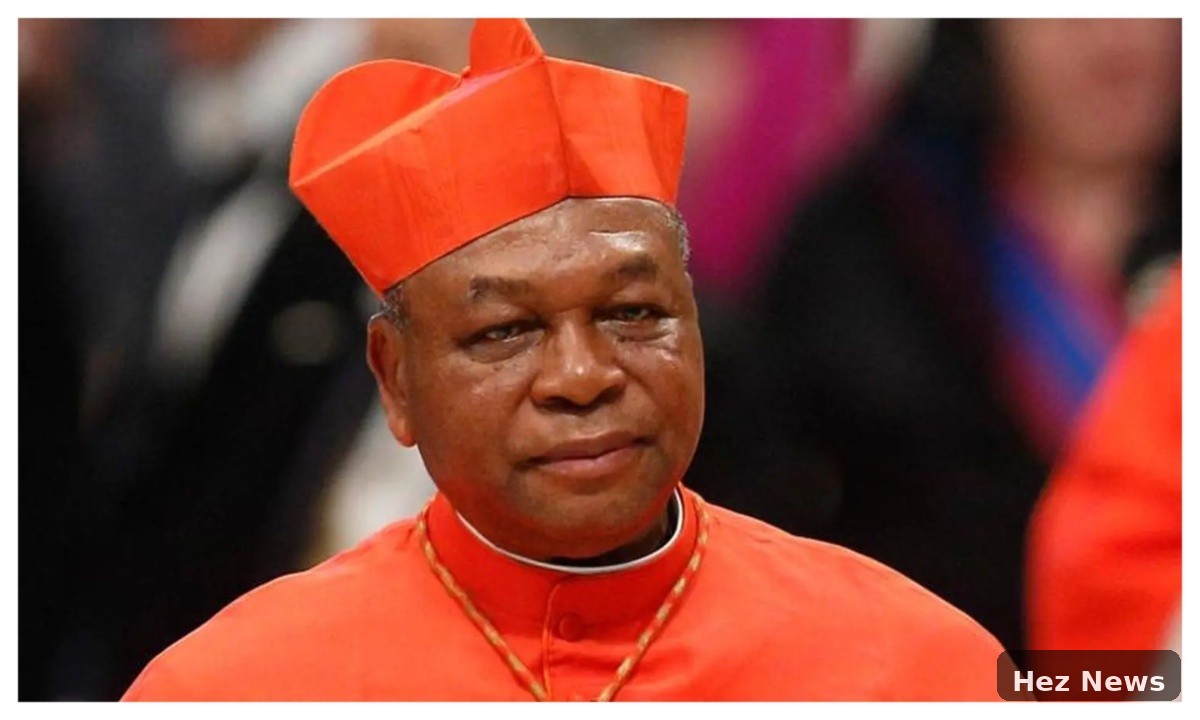
Wike’s remarks resonate with a growing sentiment in Nigeria that religious leaders must play a constructive role in governance. Historically, figures like Cardinal John Onaiyekan have been vocal about political accountability, often highlighting areas where the government falls short. However, Wike argues that this should not overshadow the positive initiatives that are being implemented.
The Importance of Collaboration
The FCT Minister highlighted that collaboration between religious leaders and the government can lead to significant societal benefits. He believes that faith-based organizations have a unique influence that can help bridge gaps between the government and the people. “When leaders of faith unite in the pursuit of common goals, they can help foster peace and development,” Wike remarked.
Responses from Religious Leaders
While Wike’s comments have received mixed reactions, many agree that a balanced approach is necessary. Some religious leaders have expressed their willingness to collaborate with the government, provided that the administration is responsive to the needs of the citizens.
Cardinal Onaiyekan, while not directly responding to Wike's remarks, has been an advocate for justice and equity in governance. His past statements have often focused on the need for accountability from leaders, which some interpret as a form of necessary criticism.
Conclusion
As Nigeria navigates its complex socio-political landscape, the call for religious leaders to actively support governmental initiatives presents an opportunity for a more united front. Nyesom Wike has set the stage for a dialogue on the role of faith in public service, urging leaders to balance their critiques with commendations.
This perspective not only seeks to enhance government-religion relations but also aims to encourage a more engaged citizenry who can work alongside their leaders to foster national development.



Leave a Comment