

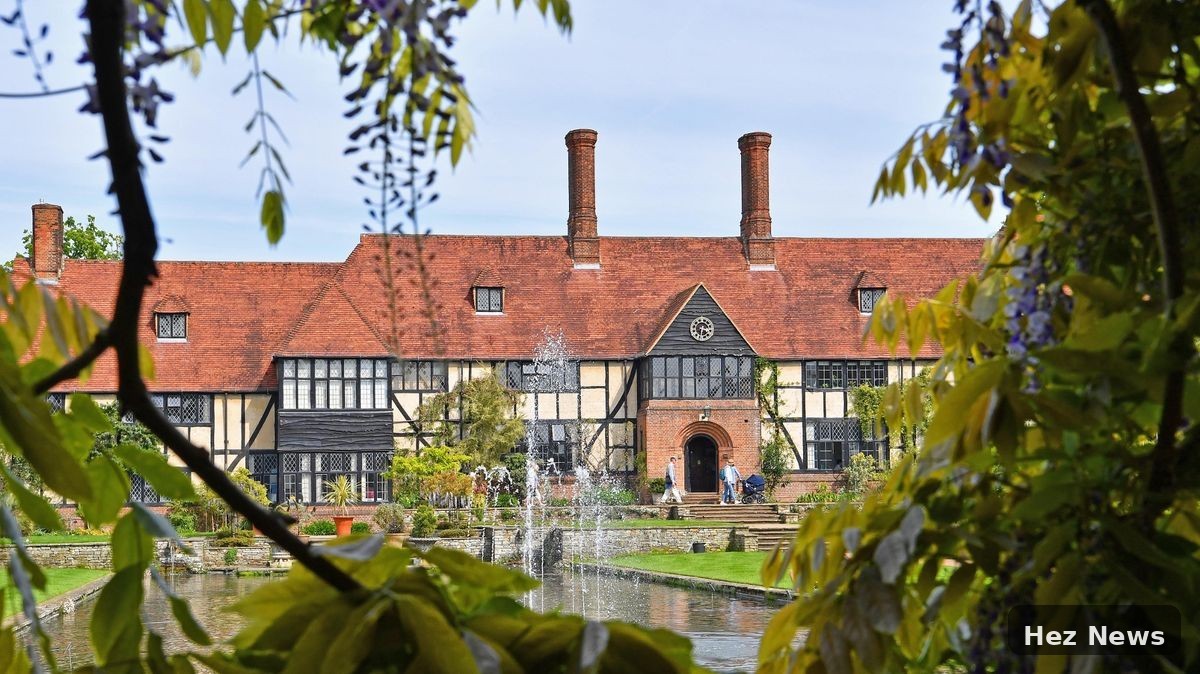
The renowned Wisley Gardens in Surrey, a treasure of natural beauty and biodiversity, has recently been awarded millions in compensation due to significant disruptions caused by the M25 junction 10 upgrade. This project, known as the Wisley Interchange, has reportedly led to a staggering drop in visitor numbers by 350,000 annually, raising concerns about the impact of infrastructure development on cultural and natural sites.
Impact of Infrastructure Developments
As urban areas expand and infrastructure is improved, many cultural sites face challenges that can affect their viability and visitor engagement. In the case of Wisley Gardens, the upgrading of major roads such as the M25 and A3 has not only reshaped traffic patterns but has also inadvertently reduced access to one of the UK’s most beloved horticultural destinations.
The Royal Horticultural Society (RHS), which manages Wisley Gardens, has expressed its concerns over the implications of such infrastructural changes. In response to the diminished footfall, the charity has successfully secured compensation, which will be crucial in maintaining and enhancing the gardens for future generations.
Importance of Wisley Gardens
Wisley Gardens is more than just a collection of plants; it serves as a vital educational and recreational hub. With over 400,000 visitors each year prior to the construction disruptions, it has played a pivotal role in promoting gardening, biodiversity, and environmental awareness. The gardens host a variety of events and educational programs, making it a significant asset not just for Surrey but for the entire UK.
For Nigerians and other visitors from across the globe, places like Wisley Gardens represent an opportunity to connect with nature, learn about horticulture, and engage in sustainable practices. The decline in visitor numbers is particularly alarming as it may limit the gardens' outreach and educational programs, which are essential for fostering a love for nature in younger generations.
Future Prospects
With the recent compensation, RHS Wisley is poised to invest in improvements and marketing efforts aimed at restoring visitor numbers. Plans may include enhanced accessibility features, engaging community events, and partnerships with local schools to ensure that the beauty and importance of the gardens are not lost.
As Nigeria and other nations grapple with their own environmental challenges, the situation at Wisley serves as a reminder of the balance needed between development and preservation. Infrastructure projects, while necessary for progress, must consider the implications for natural and cultural heritage sites.
In conclusion, the case of Wisley Gardens highlights a critical intersection between infrastructure development and the preservation of natural spaces. As compensation flows in, it is hoped that the gardens will not only recover but also thrive, continuing to inspire generations to appreciate and protect our natural world.





Leave a Comment