

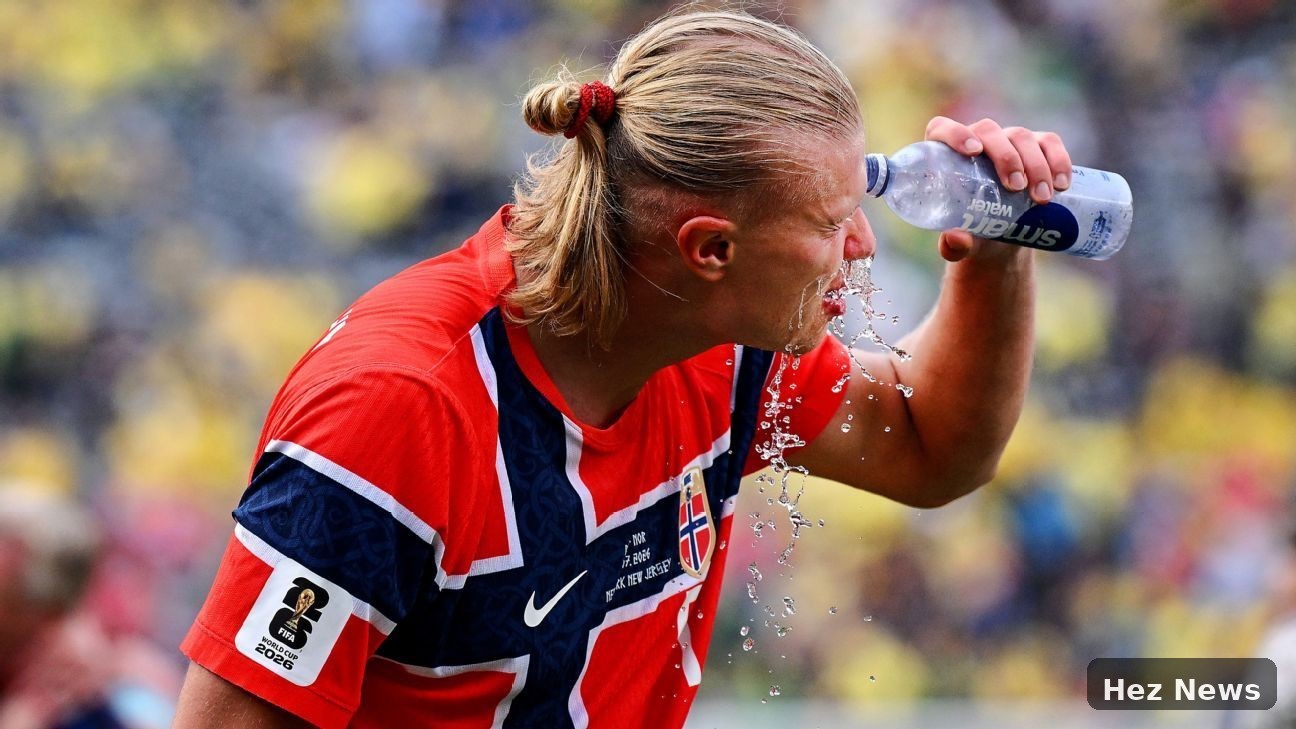
The ongoing World Cup has brought numerous innovations and discussions, yet one topic has particularly captured the attention of fans and analysts alike: hydration breaks. These three-minute intervals, introduced by FIFA during each half of the matches, are not merely a pause in the game; they represent a significant shift in how player welfare is prioritized on the global stage.
Understanding Hydration Breaks
Hydration breaks are mandatory pauses that allow players to rehydrate and recuperate, especially in the sweltering heat often experienced during summer tournaments. While the breaks serve a practical purpose, their implications extend far beyond mere hydration. They offer teams an opportunity to regroup, strategize, and even change tactics mid-game.
The Impact on Game Dynamics
For nations participating in the World Cup, particularly for football powerhouses like Nigeria, these breaks can be a double-edged sword. On one hand, they provide a chance to refresh players who may be struggling with the pace of the game or the heat. On the other hand, they can disrupt the rhythm of the match, leading to unpredictable outcomes. Coaches are now faced with the challenge of using this time effectively without losing momentum.
Media and Fan Reactions
The media's response to hydration breaks has been overwhelmingly positive. Analysts and commentators have expressed excitement over the tactical dimensions these breaks introduce. They allow for on-the-spot adjustments, creating a more dynamic viewing experience. Fans, particularly in Nigeria where football is a religion, have embraced the concept as it adds a layer of strategy to the game.
Moreover, social media buzz surrounding these breaks has been substantial. Fans are engaging in discussions about how their favorite teams utilize these moments, which has led to a surge in related content online. This interaction not only enhances viewer engagement but also elevates the profile of the tournament.
The Future of Hydration Breaks
As the World Cup unfolds, the lasting legacy of hydration breaks may redefine how football is played and consumed. The focus on player health and safety is more relevant than ever, particularly in a country like Nigeria, where the passion for football is matched only by the desire for player welfare.
With the increasing intensity of competition at international levels, such innovations are crucial. It remains to be seen how FIFA will implement these breaks in future tournaments, but for now, they are a highlight of the current World Cup, drawing both media attention and fan interest.
In conclusion, hydration breaks are more than just a necessity; they are a game-changing tactic that could shape the future of football. As fans and analysts continue to dissect their impact, one thing is clear: the conversation around hydration breaks is just beginning.





Leave a Comment