

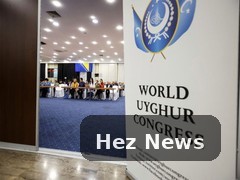
The World Uyghur Congress (WUC), a prominent advocacy group representing Uyghur interests, has voiced strong opposition to China's recently enacted Ethnic Unity Law. This legislation, aimed at promoting national integration, has faced widespread criticism for allegedly undermining the rights and cultural identities of ethnic minority groups, particularly the Uyghurs.
Global Protests Against China's Ethnic Unity Law
In its latest weekly brief, the WUC highlighted various global protests that have erupted in response to the law. These protests have underscored the international community's growing concern regarding China's treatment of ethnic minorities. Activists argue that the law not only infringes on basic human rights but also seeks to erase the distinct cultural heritage of the Uyghur people.
Support for U.S. Sanctions on Chinese Firms
Additionally, the WUC welcomed the recent expansion of U.S. sanctions targeting Chinese companies implicated in forced labor practices. These sanctions are part of a broader effort by the United States to hold accountable businesses that exploit ethnic minorities, particularly in the Xinjiang region of China, where reports of forced labor and human rights abuses have drawn international condemnation.
WUC President Dolkun Isa expressed gratitude towards the U.S. government's commitment to addressing these issues. He stated, "The international community must continue to pressure China to end its oppressive practices against the Uyghur population and other ethnic groups. We appreciate the steps taken by the U.S. to ensure that companies are held responsible for their involvement in these violations."
Implications for Nigeria and the Global Community
For Nigerians, the implications of these developments may resonate deeply, given the country's own challenges with ethnic diversity and unity. Nigeria, home to over 250 ethnic groups, has faced its share of tensions and conflicts related to ethnic identities. The situation in China serves as a stark reminder of the importance of respecting cultural differences and promoting inclusivity.
Moreover, the global response to China's Ethnic Unity Law highlights the role of international solidarity in addressing human rights violations. Nigerian activists and organizations can draw lessons from the WUC's advocacy efforts, emphasizing the need for unity in the face of oppression, regardless of geographical boundaries.
Looking Forward
The WUC’s brief comes at a pivotal time as global awareness regarding human rights issues continues to grow. As Nigerians and the international community rally against oppressive laws and practices, the hope remains that meaningful change can be achieved through solidarity and persistent advocacy.
In conclusion, the criticism of China's Ethnic Unity Law and the support for U.S. sanctions reflect a significant moment in the global struggle for human rights. The world is watching, and as the narrative unfolds, the voices of the oppressed must not be silenced.




Leave a Comment