

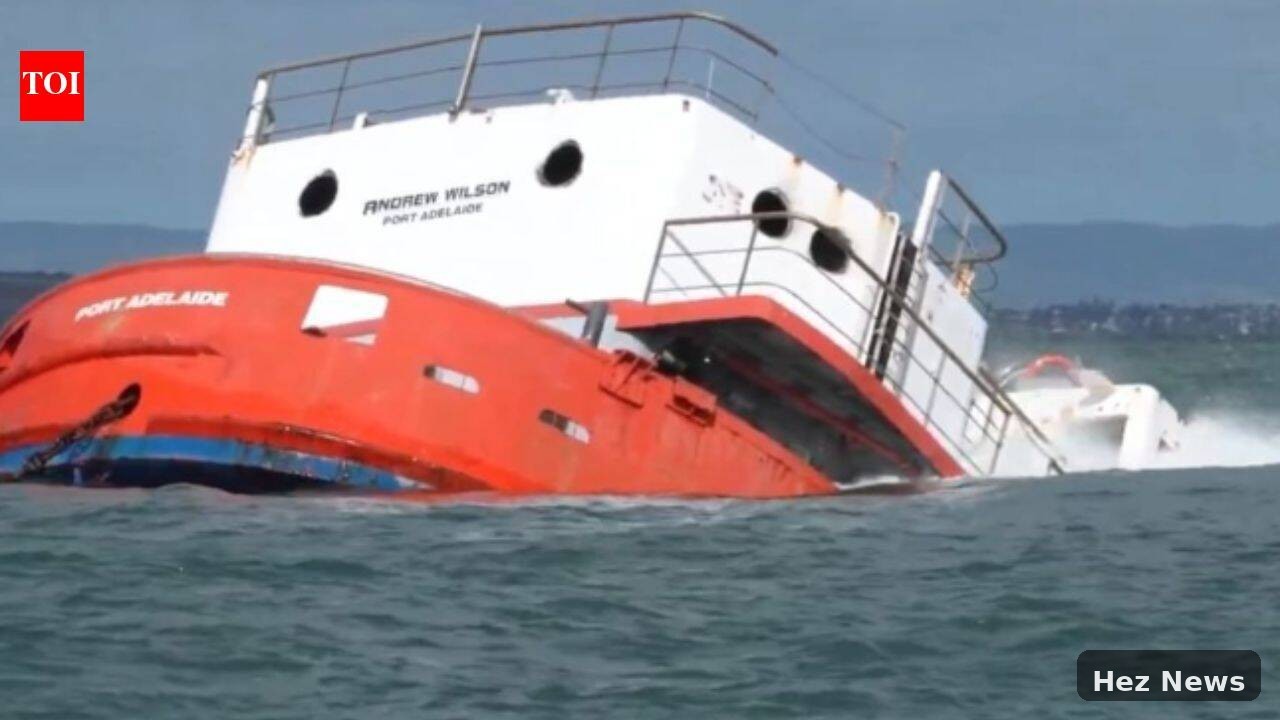
In a significant environmental initiative, South Australia has successfully sunk the 40-metre dredger, MV Andrew Wilson, approximately six kilometres off the coast of Brighton. This operation is part of a broader $165 million recovery plan aimed at combating algal blooms and restoring marine ecosystems.
Details of the Operation
The MV Andrew Wilson was anchored overnight before specialist crews undertook the intricate task of sinking the vessel. Now resting about 20 metres underwater, this former dredger has been transformed into an artificial reef, providing a new habitat for marine life.
Environmental Implications
This initiative not only addresses the pressing issue of algal blooms that have plagued South Australia, but it also contributes to enhancing biodiversity in the region. As Nigeria grapples with its own environmental challenges, such as oil pollution and deforestation, the creation of artificial reefs presents a potential strategy for marine conservation that could also be explored in Nigerian waters.
Global Context
Australia's commitment to environmental restoration reflects a growing global trend where countries are investing in sustainable solutions to protect marine ecosystems. Similar projects can be observed worldwide, including in regions facing ecological degradation. For Nigeria, learning from these international examples could provide valuable insights into improving coastal health.
Conclusion
The sinking of the MV Andrew Wilson is more than just a local event; it signifies a proactive step in environmental management and marine conservation. As nations like Australia take bold actions to restore their natural habitats, Nigeria can also benefit from exploring innovative approaches to address its unique ecological challenges.



Leave a Comment