

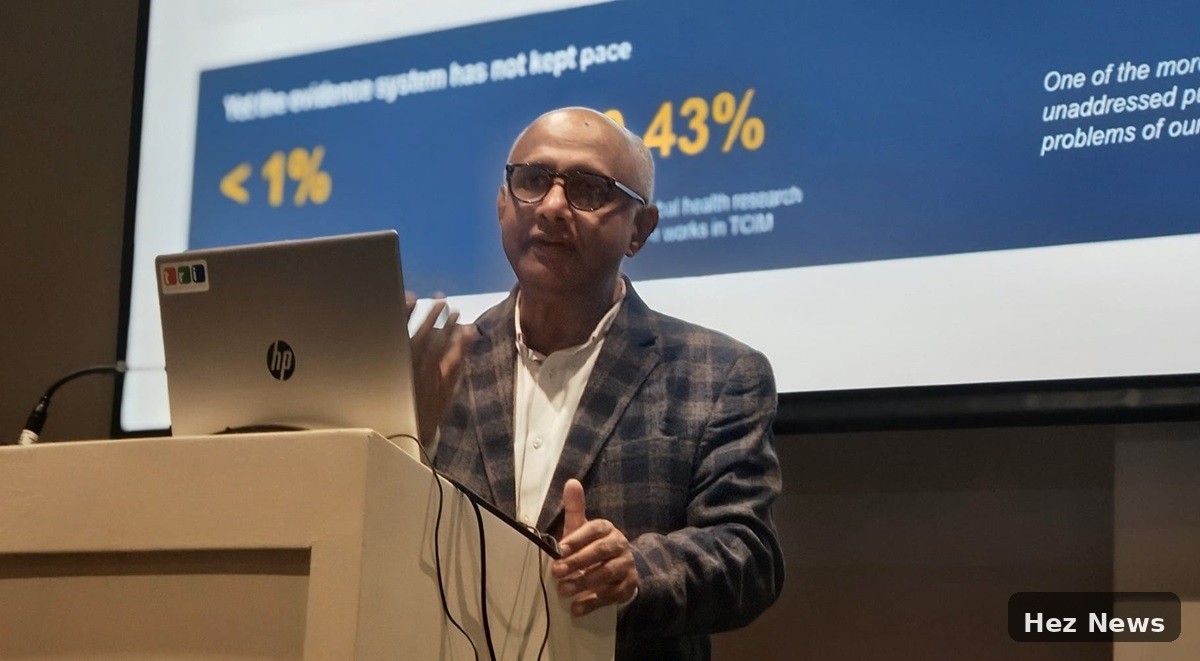
The recent World Congress on Public Health in Cape Town, South Africa, brought together traditional medicine researchers, policymakers, and public health experts to discuss the vital role of traditional medicine in the transformation of health systems globally.
The Role of Traditional Medicine
As countries strive to meet the growing healthcare needs of their populations, traditional medicine has emerged as a critical component of health systems. In Nigeria, where over 70% of the population relies on traditional health practices, integrating these methods into the broader health framework is essential for achieving equitable healthcare access.
Insights from Global Experts
Dr. Geetha Krishnan Gopalakrishna Pillai, the Unit Head at the WHO Global Traditional Medicine Centre, emphasized that traditional medicine offers unique insights and solutions that can complement modern medical practices. “By collaborating with traditional healers and incorporating their knowledge, we can enhance patient care and improve health outcomes,” she stated during the congress.
Challenges and Opportunities in Nigeria
Nigeria faces significant challenges in its healthcare system, including inadequate funding, a shortage of healthcare professionals, and a fragmented approach to health services. However, the country also possesses a rich heritage of traditional healing practices that can be harnessed to fill gaps in healthcare delivery.
Integrating traditional medicine into Nigeria's health policy could provide a holistic approach to patient care, addressing both physical and cultural needs. By validating and regulating traditional practices, the government can ensure safety and efficacy while promoting cultural heritage.
Collaboration for Sustainable Health Reform
The congress highlighted that collaboration between traditional and modern healthcare practitioners is essential for sustainable health reform. Workshops and discussions focused on strategies to improve communication and trust between these two sectors, fostering a unified approach to health challenges.
Public health experts believe that such collaborations could not only enhance the quality of care but also empower local communities, thereby creating a more resilient health system.
Conclusion
As Nigeria continues to navigate its health challenges, the integration of traditional medicine into mainstream healthcare could be a transformative step. With ongoing discussions and research, there is hope that traditional practices will be recognized and utilized alongside modern medicine, ultimately leading to a healthier population.


Leave a Comment