

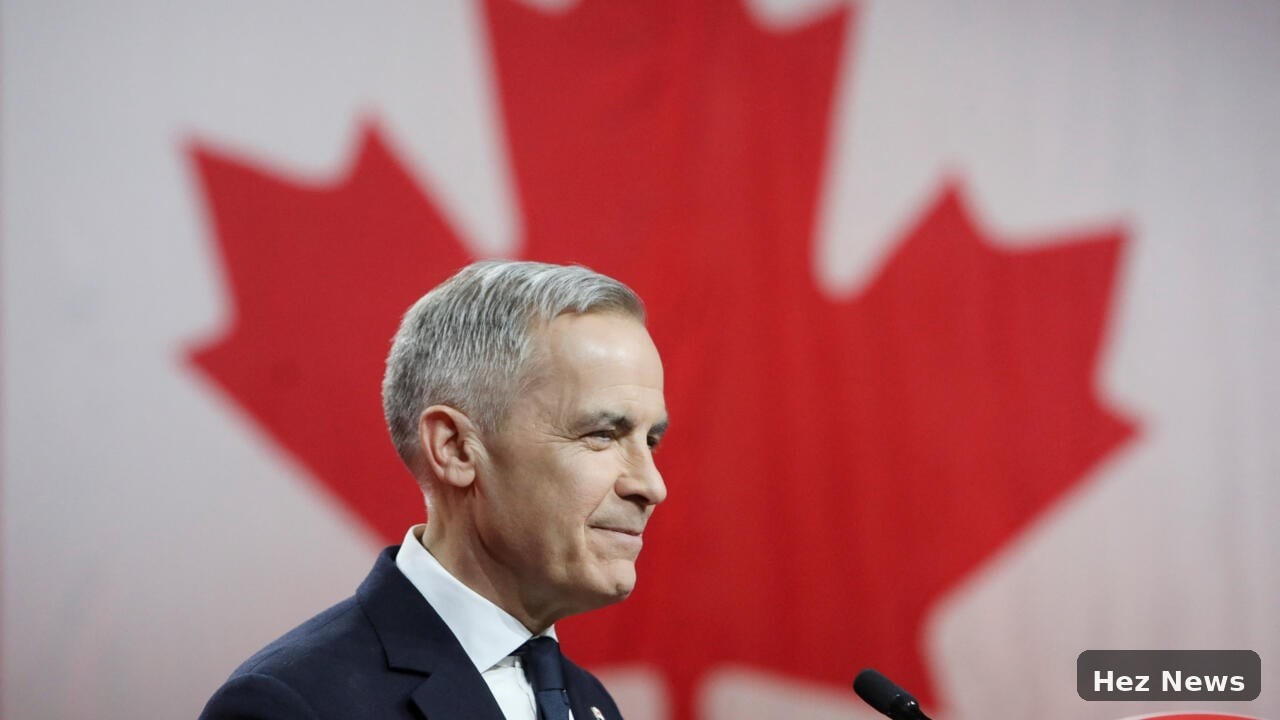
Canada is set to implement its retaliatory tariffs on goods imported from the United States beginning on September 8, shortly after the country's Labour Day celebrations. This move marks a significant escalation in the ongoing trade tensions between the two nations, which could have implications not just for bilateral relations, but also for global trade dynamics.
Context of the Tariffs
The tariffs are a response to previous trade actions taken by the U.S., aimed at protecting its domestic industries. Such measures have sparked concerns among global trading partners, including those in Africa, as they can lead to increased costs and disrupted supply chains.
Impact on Nigeria
For Nigeria, the unfolding trade situation between Canada and the U.S. could have ripple effects, especially in the agricultural sector. As one of the largest economies in West Africa, Nigeria's trade relationships with both countries are crucial. The imposition of tariffs might affect the prices of goods that Nigeria imports from the U.S., including agricultural products and machinery.
Moreover, Canadian companies with interests in Nigeria might also feel the impact, as they navigate the increased costs of raw materials. This situation raises questions about how Nigerian businesses can adapt and potentially take advantage of shifts in the market.
The Bigger Picture
Trade disputes like the one between Canada and the U.S. can influence global economic stability. As nations like Nigeria watch closely, there may be opportunities to enhance local production and reduce reliance on imported goods.
Furthermore, the Nigerian government may need to reassess its trade policies and partnerships in light of these developments. Building stronger economic ties within the African continent could provide a buffer against the volatility of global trade.
Conclusion
As the situation develops, it will be essential for Nigerian stakeholders to stay informed and responsive. The tariffs set to take effect on September 8 represent more than just a trade dispute; they signal the complexities of international relations and their far-reaching consequences.






Leave a Comment