

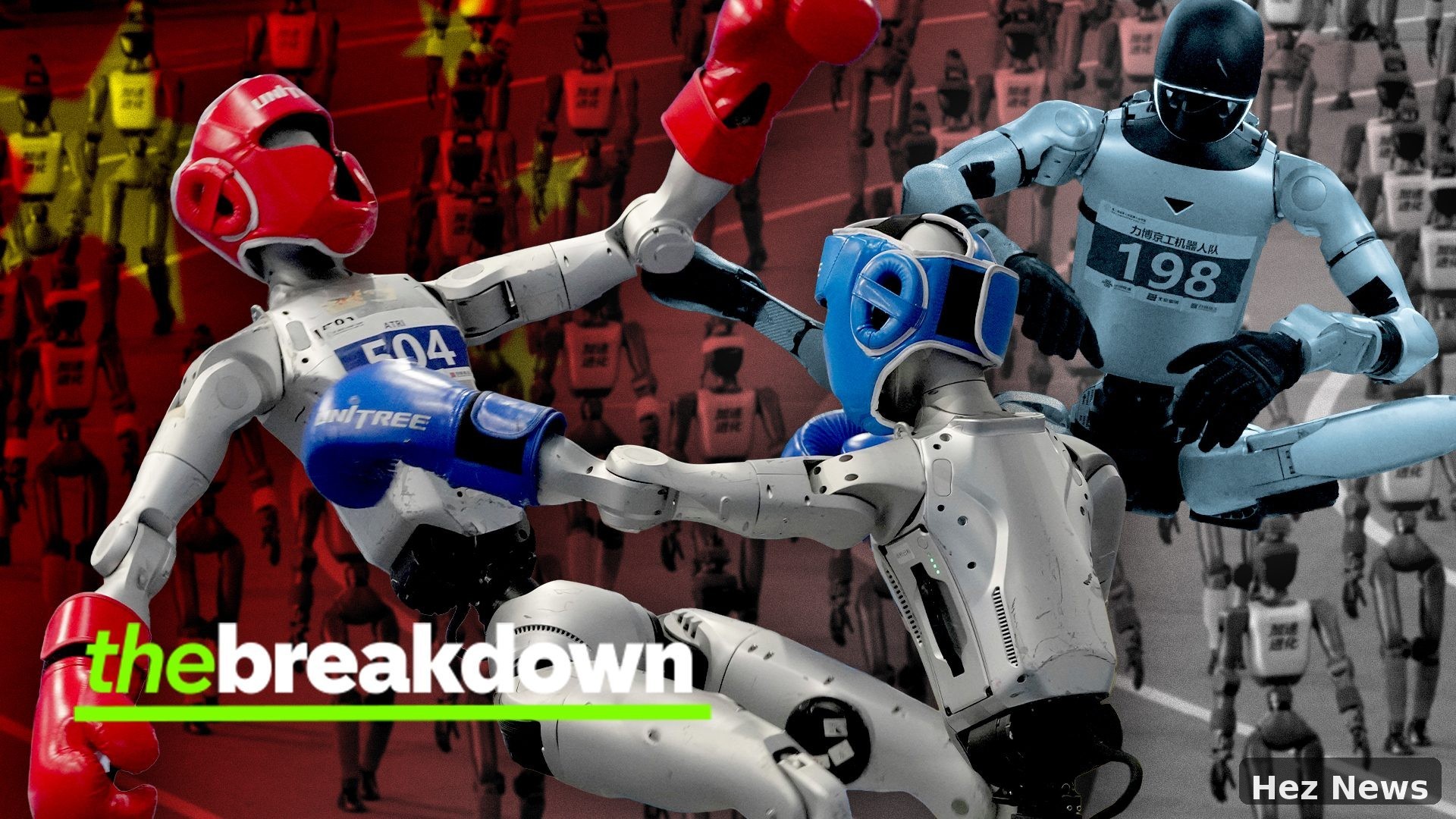
As the world watches in awe, China is making significant strides in robotics, showcasing thousands of humanoid robots at the recent World Humanoid Robot Games. This display not only highlights the technological advancements in robotics but also raises important questions about the future of human labor in the face of such innovation.
The Rise of Humanoid Robots
China's commitment to robotics is evident as it has invested heavily in developing machines that can perform tasks traditionally carried out by humans. These robots are not just mere tools; they are engineered to compete and excel in various physical challenges, demonstrating abilities that have even led them to break some human world records.
Achievements and Challenges
While the achievements of these robots are impressive, it is also worth noting the setbacks. The competitions have seen their fair share of spectacular failures, prompting discussions about the limitations of robotic technology. This duality of success and failure serves as a reminder that while robots can enhance productivity, they are not infallible.
Implications for the Nigerian Workforce
For Nigerians, the rise of robotics presents both opportunities and challenges. With a burgeoning tech sector, there is potential for collaboration between Nigerian innovators and robotic technology. However, the fear of job displacement is a valid concern. As countries like China advance their technological capabilities, Nigeria must strategize on how to integrate these innovations while safeguarding jobs.
Future Prospects
The question remains: will robots ultimately replace humans in the workforce, or will they serve as partners in productivity? As China continues to develop its robot army, other nations, including Nigeria, must observe and adapt to these changes. Investing in education and training will be crucial to prepare the future workforce for a world where robotics play a significant role.
Conclusion
The robot revolution is upon us, and countries across the globe, including Nigeria, must face this reality head-on. By understanding the advancements being made in robotics, we can better prepare for a future that includes both humans and machines working together.





Leave a Comment