

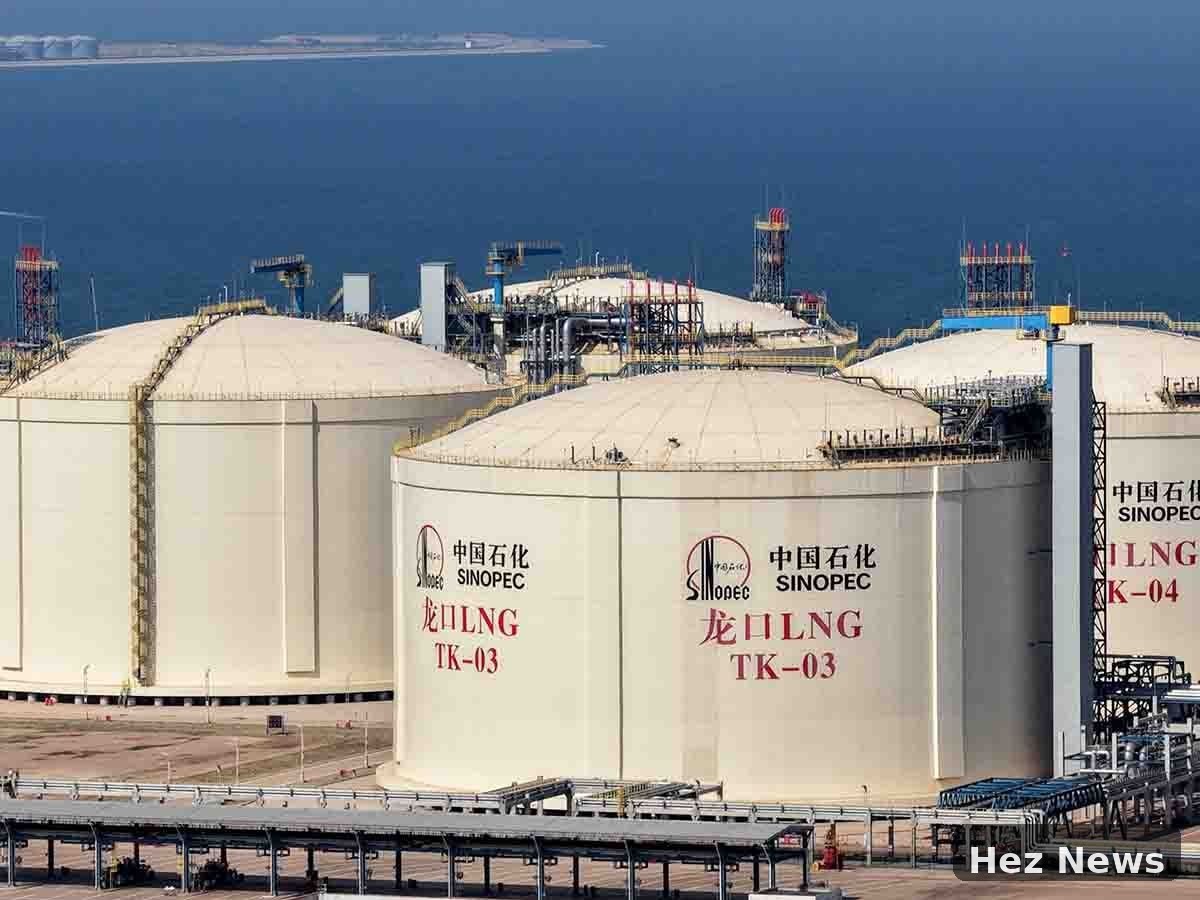
The global oil market has faced significant volatility in recent years, but China's strategic interventions have played a crucial role in stabilizing prices and preventing a deeper crisis. As a major player in the world's energy sector, China's actions have not only affected its own economy but also the broader global landscape, including nations like Nigeria.
Understanding China's Influence on Oil Prices
China, as one of the largest consumers of oil globally, has the power to influence market dynamics significantly. In response to fluctuating oil prices, the Chinese government has implemented various measures to cushion its economy and, by extension, the global market. For instance, during periods of high oil prices, China has strategically filled its strategic petroleum reserves, which has helped ease prices.
Nigeria's Connection to Oil Price Fluctuations
In Nigeria, a country heavily reliant on oil exports, the ripple effects of global oil price changes are felt acutely. The Nigerian economy is particularly sensitive to oil price fluctuations due to its dependence on oil revenue for budgets and foreign exchange earnings. Therefore, any stabilization efforts by China can directly benefit Nigeria.
Recent Trends in Oil Prices
According to the latest reports, the oil price outlook is cautiously optimistic, aided by China's increased demand for energy as it continues to recover from the pandemic. This recovery is vital for oil-producing nations, including Nigeria, which has been striving to improve its economy post-COVID-19.
Future Implications for Nigeria
As China continues to play a pivotal role in the global oil market, Nigeria must consider how to leverage this relationship. Strengthening ties with China could provide Nigeria with opportunities for investment in infrastructure and technology, which are crucial for enhancing oil production and refining capacities.
In conclusion, while the global oil market remains unpredictable, China's influence serves as a stabilizing force. Nigeria stands to benefit from this dynamic, especially if it aligns its economic strategies with the trends emerging from China’s oil consumption and policy shifts.






Leave a Comment