

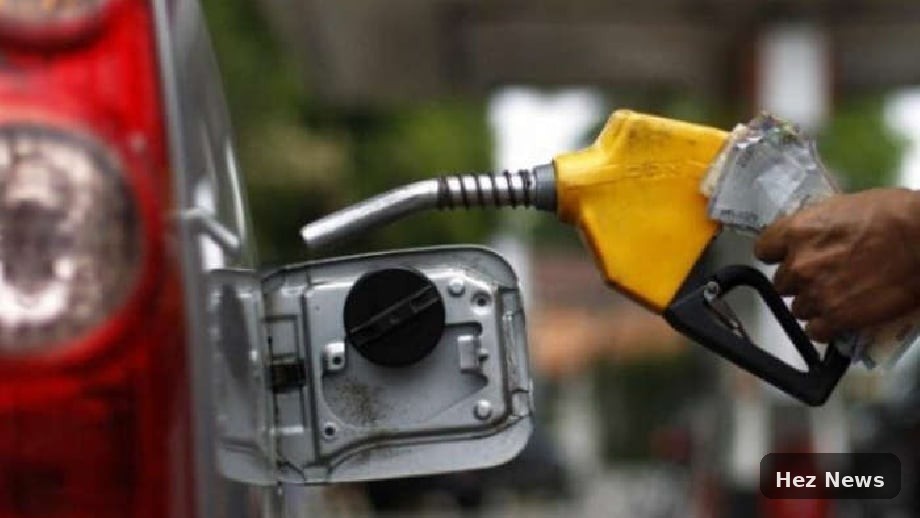
Nigerian filling stations have begun to reduce petrol pump prices in a bid to maintain their competitive edge within the country’s downstream petroleum sector. This strategic move comes as the market continues to experience fluctuations and challenges that impact fuel prices across the nation.
Market Overview
According to a recent market survey conducted by industry analysts, the average price of petrol at various filling stations has seen a noticeable decline. This reduction is attributed to several factors, including increased competition among suppliers and a shift in consumer demand.
The survey highlights that many stations have adjusted their prices to attract more customers, particularly in urban areas where petrol consumption is highest. The competition is fierce, with numerous operators vying for market share, especially in Lagos, Abuja, and other major cities.
Factors Influencing Price Reductions
Several key factors have contributed to this trend:
- Supply Chain Adjustments: Some suppliers have optimized their logistics and distribution networks, thereby reducing operational costs.
- Global Oil Prices: Fluctuations in international oil prices continue to play a significant role in shaping local fuel prices. Recent declines in crude oil prices on the global market have influenced local pricing strategies.
- Government Policies: Regulatory changes and government interventions in the petroleum sector have also impacted pricing structures, encouraging filling stations to lower their prices.
Impact on Consumers
For consumers, the reduction in petrol prices is a welcomed relief. Many Nigerians have been burdened by rising transportation costs and the overall cost of living. As petrol prices decrease, it is expected that transportation fares may also reduce, leading to a trickle-down effect on goods and services.
However, some analysts caution that while price reductions are beneficial, they may not be sustainable in the long term if global oil prices rise again. Consumers are advised to remain vigilant and adapt to the changing market landscape.
Looking Ahead
As Nigerian filling stations continue to navigate the complexities of the downstream petroleum market, industry stakeholders are calling for greater transparency and efficiency within the sector. The hope is that with effective regulations and competitive practices, the market can provide fair prices for consumers while ensuring profitability for operators.
In conclusion, the recent reductions in petrol prices reflect a dynamic market responding to both local and global influences. As the situation develops, both consumers and industry players will be watching closely to see how these changes unfold in the coming weeks and months.






Leave a Comment