

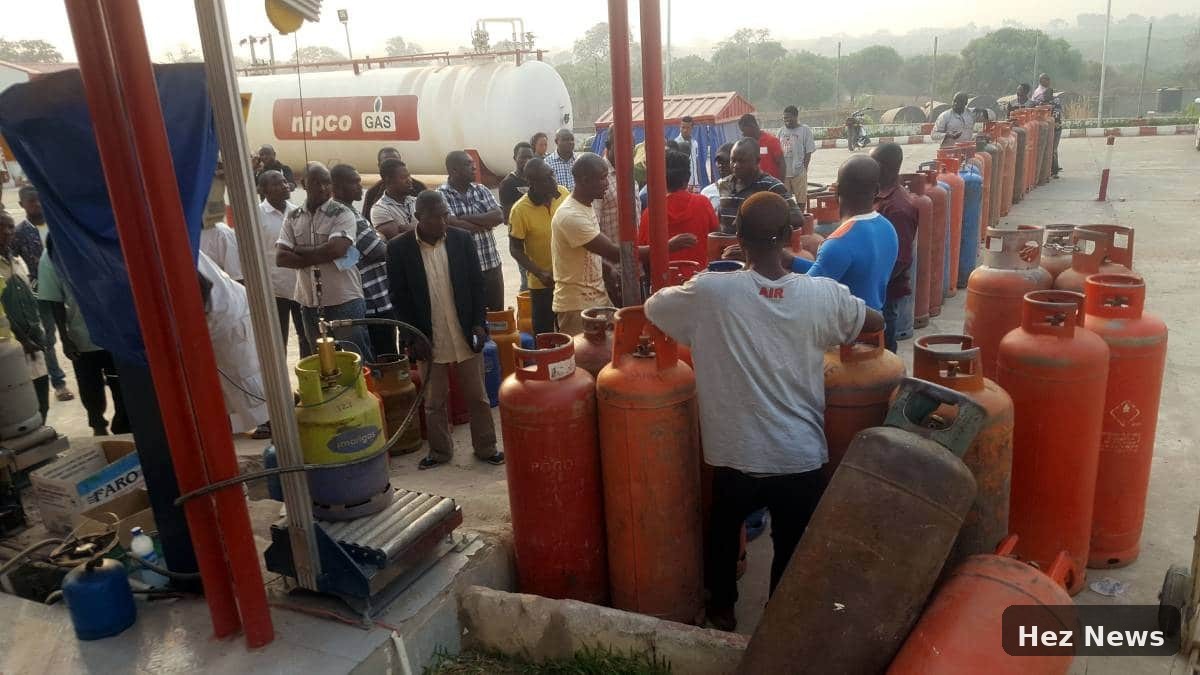
The price of Liquefied Petroleum Gas (LPG), commonly referred to as cooking gas, has reached an alarming price of ₦2,000 per kilogram in Nigeria. This increase has raised concerns among consumers and industry stakeholders alike, particularly as it occurs amidst efforts to boost domestic production.
Current Price Trends
Over the past few months, the cost of cooking gas has been on a steady rise, with the current price marking a significant increase from previous months. Many households, especially in urban areas, are feeling the pinch as cooking gas becomes increasingly unaffordable. This surge is attributed to a combination of factors, including supply chain disruptions and increased demand.
Impact on Consumers
For many Nigerian families, cooking gas is a primary source of energy for their daily cooking needs. The steep rise in prices has forced some to seek alternatives, which may include the use of firewood or kerosene, both of which come with their own environmental and health risks. “We are struggling to cope with these rising prices,” lamented a Lagos resident, reflecting the sentiments of many others facing similar challenges.
Domestic Production and Supply Chain Issues
Despite reports of increased domestic production of LPG, the market has not seen a corresponding decrease in prices. Industry experts suggest that logistical challenges, including transportation and distribution inefficiencies, have contributed to the price hike. Additionally, the fluctuating costs of crude oil in the global market have also impacted local prices.
Government Response
The Nigerian government has acknowledged the crisis and is reportedly working on measures to stabilize the market. Plans include enhancing local production capabilities and improving the infrastructure necessary for effective distribution. However, many citizens are calling for immediate action to address the current situation.
Looking Ahead
As the cost of cooking gas continues to escalate, stakeholders are urging the government to expedite policies that will enhance production and ensure affordability for consumers. The hope is that with strategic interventions, the price of cooking gas can be brought back down to a more manageable level, ensuring that all Nigerians have access to this essential resource.




Leave a Comment