

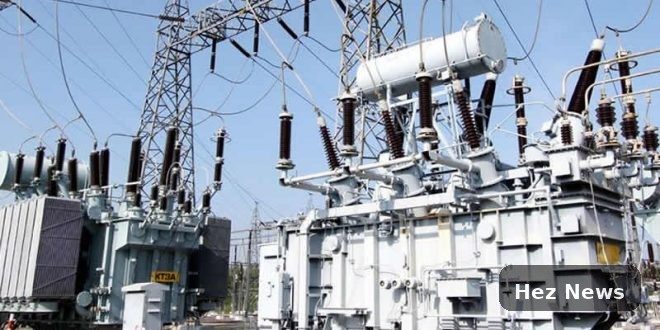
The African Development Bank (AfDB) has released a troubling report indicating that power outages in Nigeria are costing businesses approximately 3% of their annual sales. This significant loss has compelled many firms to invest heavily in alternative power sources, primarily generators, to maintain operations.
Impact of Power Supply Issues
Nigeria's power supply has long been a challenge for businesses across various sectors. The persistent outages disrupt productivity and lead to increased operational costs, as companies are forced to rely on generators. This reliance not only affects profit margins but also impacts the overall economic growth of the nation.
Investment in Generators
Many Nigerian businesses have resorted to purchasing generators to mitigate the effects of unreliable power supply. Generators are often seen as a necessary investment, despite their high operational costs, including fuel and maintenance. This shift represents a significant diversion of resources that could otherwise be utilized for expansion or innovation.
Consequences for the Economy
The AfDB's report highlights a broader issue within Nigeria's economy, where power outages not only hinder business growth but also deter foreign investment. Investors are increasingly cautious about entering a market where operational stability is compromised by infrastructural deficiencies.
Government Response
In response to this ongoing crisis, the Nigerian government has made various attempts to improve the national grid and increase electricity generation capacity. However, progress has been slow, and many businesses continue to feel the strain of inadequate power supply.
Looking Ahead
As Nigeria strives for economic recovery, addressing the power supply issue will be crucial. Reducing dependency on generators and improving the reliability of electricity can help Nigerian businesses reclaim the 3% of sales currently lost to outages. Stakeholders are urged to collaborate on sustainable energy solutions that can bolster the country's economic resilience.
In conclusion, the AfDB's findings serve as a stark reminder of the challenges facing Nigerian businesses. With continued investment in infrastructure and a commitment to improving the power supply, there is hope for a brighter economic future.





Leave a Comment