

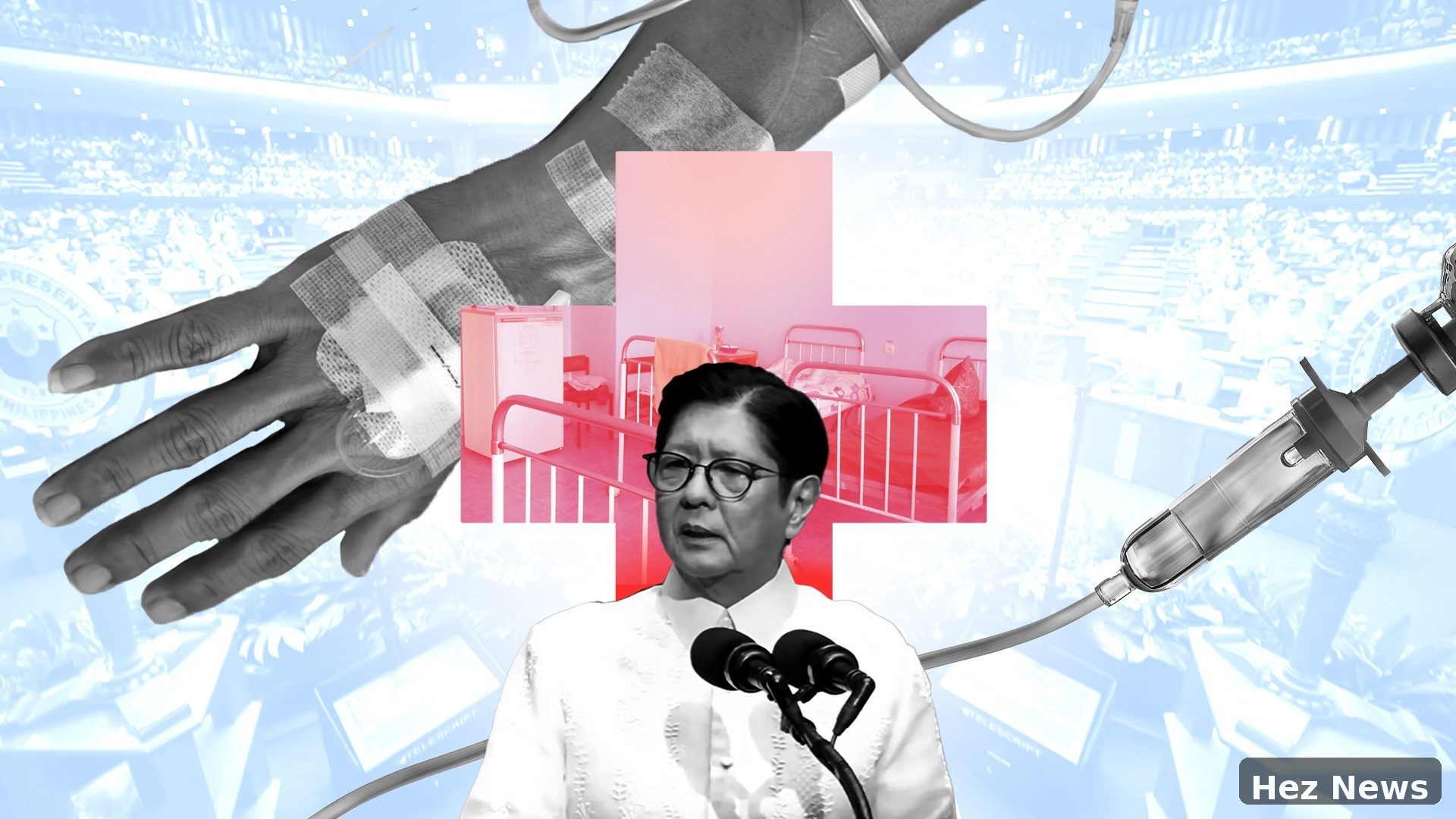
The recent State of the Nation Address (SONA) by President Ferdinand Marcos Jr. has sparked discussions about the future of healthcare not just in the Philippines, but across the globe. While the President’s address highlighted critical priorities in the healthcare sector, it also raised questions about the broader implications for Nigeria and other nations grappling with similar issues.
Healthcare as a Priority
During his address, President Marcos underscored the need for improved healthcare access and services. This is a sentiment echoed in Nigeria, where the healthcare system faces numerous challenges, including inadequate facilities and resources. As healthcare becomes an increasingly pressing issue, it is vital for governments to view it not only as a health concern but also as a social commitment and an economic strategy.
The Nigerian Context
Nigeria’s healthcare system has long been underfunded and overburdened, resulting in a public outcry for reforms. The issues highlighted by President Marcos resonate with many Nigerians who experience daily struggles in accessing quality healthcare. For instance, a lack of infrastructure and trained personnel often leaves patients with limited options, compelling many to seek treatment abroad.
By integrating healthcare as a core component of national policy, Nigeria could enhance the quality of life for its citizens while simultaneously boosting the economy. When citizens are healthy, they can contribute more effectively to the workforce, driving economic growth.
Learning from Global Practices
Countries that prioritize healthcare as a fundamental right often see positive outcomes, both socially and economically. For example, nations with universal healthcare systems tend to have better health indicators, including lower infant mortality rates and longer life expectancy. Nigeria could benefit from examining these models to adapt suitable strategies that align with its unique challenges.
Call to Action
As Nigeria continues to navigate its healthcare landscape, it is imperative for all stakeholders—government, private sector, and civil society—to collaborate on sustainable solutions. This includes increasing funding for healthcare, investing in training healthcare professionals, and leveraging technology to improve service delivery.
In conclusion, as the nation reflects on the President's address, it is crucial to shift the narrative around healthcare from mere rhetoric to actionable strategies. By making healthcare a social commitment and an economic priority, Nigeria can pave the way for a healthier future.




Leave a Comment