

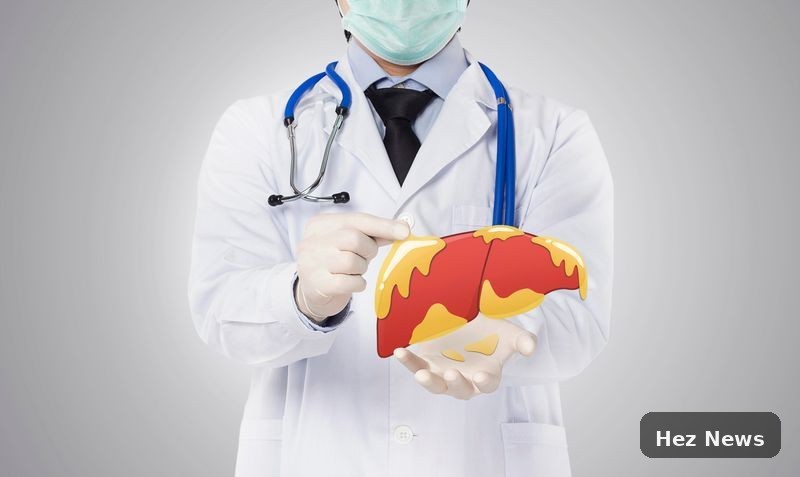
As global health initiatives strive to eliminate viral hepatitis by 2030, emerging health challenges continue to surface. Recent warnings from the All-India Institute of Medical Sciences (AIIMS), New Delhi, highlight the increasing prevalence of fatty liver disease, a condition that is becoming a pressing health issue not only in India but also in Nigeria.
Understanding Fatty Liver Disease
Fatty liver disease, also known as hepatic steatosis, occurs when excess fat builds up in the liver cells. While it is commonly associated with obesity, diabetes, and excessive alcohol consumption, it can also affect individuals without these risk factors. The condition can lead to more severe liver problems, including cirrhosis and liver failure, making it a significant concern for healthcare professionals.
The Nigerian Context
Nigeria faces a unique set of health challenges, including a high prevalence of liver diseases. Factors such as increasing rates of non-communicable diseases, lifestyle changes, and limited access to healthcare contribute to the rise of fatty liver disease. According to health experts, there has been a noticeable uptick in cases, particularly among urban populations where diets are often high in fats and sugars.
Health Implications and Awareness
The implications of fatty liver disease extend beyond individual health. As the disease progresses silently, many individuals may remain unaware of their condition until it reaches advanced stages. This lack of awareness is a critical issue that Nigerian health authorities must address. Public health campaigns aimed at educating the population about the risks associated with fatty liver disease, as well as promoting healthier lifestyle choices, are essential.
Preventive Measures and Lifestyle Changes
Preventing fatty liver disease involves a multifaceted approach, including:
- Healthy Diet: Emphasizing a balanced diet rich in fruits, vegetables, whole grains, and lean proteins can help maintain liver health.
- Regular Exercise: Engaging in physical activity for at least 150 minutes per week can significantly reduce the risk of developing fatty liver.
- Routine Check-ups: Regular health screenings can help detect liver issues early, allowing for timely intervention.
Moreover, addressing underlying conditions such as obesity and diabetes through community health programs can play a vital role in combating this health crisis.
Conclusion
The warning from AIIMS serves as a crucial reminder for Nigeria to prioritize the prevention and management of fatty liver disease. As the nation continues to tackle various health challenges, integrating awareness and education about fatty liver disease into broader health initiatives will be essential for safeguarding public health.





Leave a Comment