

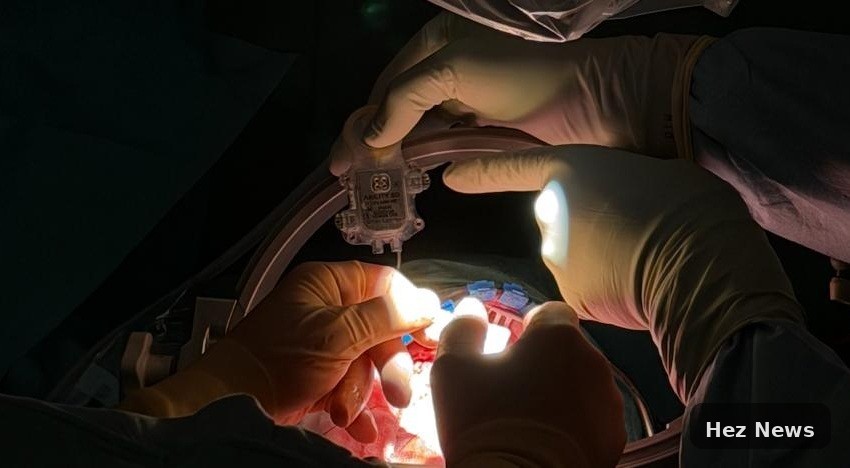
In a groundbreaking development, an implantable neural interface has successfully undergone its first real-world surgical validation, marking a significant milestone in the field of medical technology.
This intraoperative study is particularly notable as it involves the neural signal acquisition platform being tested in a live surgical environment for the first time. The focus will be on patients undergoing brain tumor surgery, with up to five individuals participating in this innovative procedure.
The Significance of the Study
As Nigeria continues to grapple with a rising incidence of brain tumors, advancements in medical technology are more critical than ever. This study aims to elucidate the effectiveness of the neural interface in acquiring and processing signals directly from the brain during surgery, which can potentially enhance surgical outcomes and patient safety.
During the procedure, surgeons will record neural signals over a period of 20 to 30 minutes, providing invaluable data that can help refine this technology for broader applications in neurosurgery and beyond.
Broader Implications for Nigerian Healthcare
This advancement is not just a breakthrough for the medical community; it holds substantial implications for the Nigerian healthcare system. With a growing population and increasing rates of neurological disorders, the ability to integrate technology into surgical practices could pave the way for improved diagnostic and therapeutic options.
Moreover, successful implementation of such technologies can lead to enhanced training for local surgeons, fostering a new era of medical innovation in Nigeria.
Future Prospects
The implications of this neural interface technology extend beyond immediate surgical applications. It opens up potential avenues for further research and collaboration between Nigerian medical institutions and global tech firms. As researchers and medical professionals continue to explore the capabilities of this technology, there is hope for new treatments for various neurological conditions.
In conclusion, the successful validation of this implantable neural interface is a significant step forward in surgical science, particularly in a country like Nigeria, where the need for advanced medical technologies is critical. The outcomes of this study could not only enhance surgical procedures but also inspire further technological advancements in the Nigerian medical landscape.





Leave a Comment