


The GSMA, the global organization representing mobile operators, has issued a stark warning regarding the widening gap in access to mobile internet and artificial intelligence (AI) technology. In its latest State of Mobile Internet Connectivity report, the GSMA indicates that approximately three billion people worldwide remain offline, highlighting the urgent need for action to bridge this digital divide.
Call for Affordable Smartphone Access
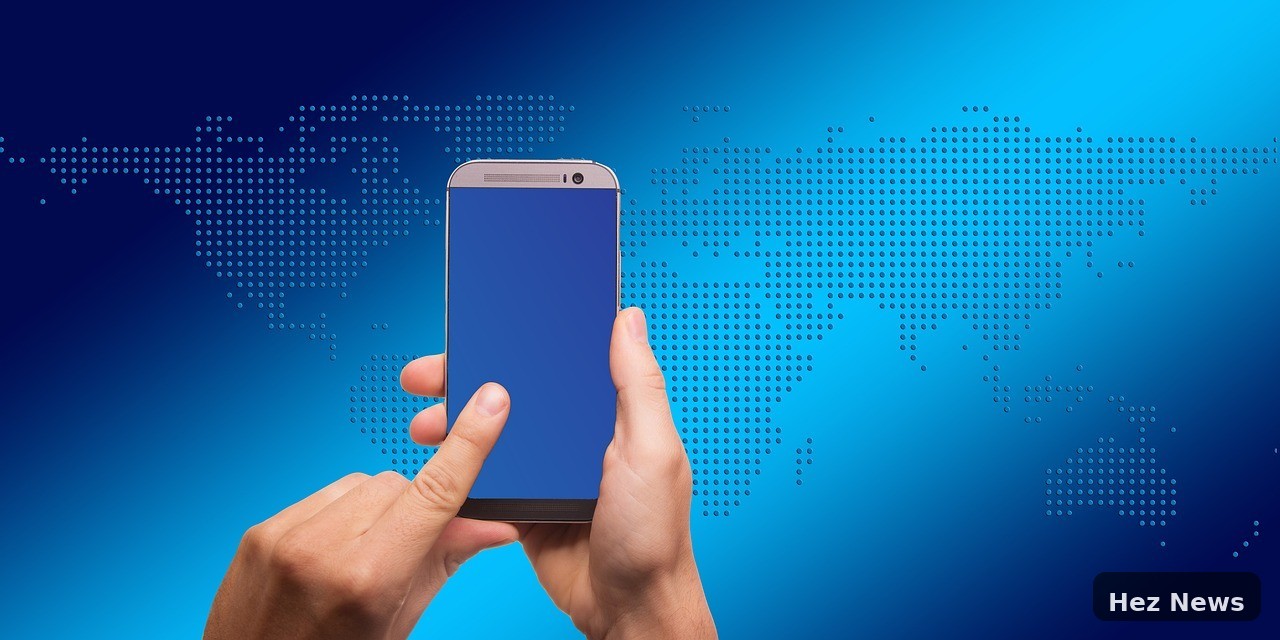
As smartphone component costs continue to soar, the report emphasizes the necessity to improve access to affordable smartphones. This is particularly crucial for developing regions, including Nigeria, where many citizens lack reliable internet access and digital tools. The rise in smartphone prices, attributed to various economic factors, threatens to exacerbate existing inequalities.
AI Technology and Its Implications
With the rapid advancement of AI technologies, the GSMA warns that failure to address the connectivity issue could leave billions behind in the digital age. AI has the potential to transform industries and enhance daily life, but without adequate access to the internet and smartphones, a significant portion of the global population, especially in Nigeria, risks being excluded from these advancements.
The Nigerian Context
Nigeria, as Africa's largest economy, faces unique challenges in achieving widespread internet connectivity. While urban areas see increasing smartphone usage, rural communities often struggle with limited access. The government's initiatives to promote digital literacy and expand internet infrastructure are steps in the right direction, yet more effort is needed to ensure that all Nigerians can benefit from AI technologies.
Urgent Action Required
The GSMA’s report calls for immediate measures to enhance access to low-cost smartphones and improve internet connectivity. This includes collaboration between government bodies, private sector stakeholders, and international organizations to create supportive policies and investment strategies. By taking these steps, countries like Nigeria can work towards a more inclusive digital future.
Conclusion
The warning from the GSMA serves as a critical reminder of the ongoing challenges posed by the digital divide. As the world moves forward into an era dominated by AI and advanced technologies, it is imperative that efforts are made to ensure equitable access. Bridging this gap will not only benefit individuals but will also contribute to the overall economic growth of nations like Nigeria.


Leave a Comment