

Introduction
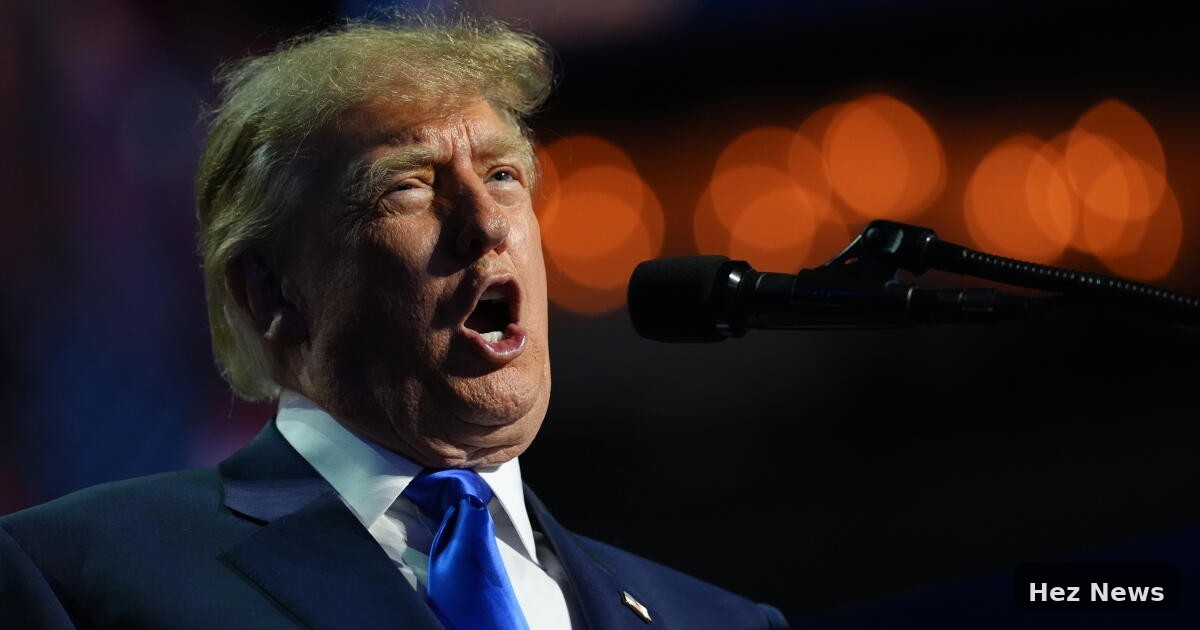
The recent financial incentive announced by former President Donald Trump has raised eyebrows globally, particularly among political analysts and citizens alike. His pledge of $5,000, contingent on electoral outcomes, highlights a troubling trend in political financing and raises significant ethical questions.
The Context of Trump's Pledge
In a move perceived as an attempt to regain traction in the upcoming midterm elections, Trump has linked financial support to electoral success. This strategy, while not entirely new in the political arena, has sparked debates about the integrity of democratic processes. Such tactics can undermine the fundamental principles of fair elections, prompting concerns about the impact on voter behavior and the potential for corruption.
Global Reactions
Trump's proposal has not only resonated within the United States but has also caught the attention of international observers, including those in Nigeria. As a country with its own complex political landscape, Nigerians are keenly aware of the implications of electoral financing. The discussions surrounding Trump's pledge echo issues faced in Nigeria, where political campaigns often involve substantial financial backing, sometimes leading to questionable practices and outcomes.
The Ethical Dilemma
Critics argue that linking financial incentives to electoral success is a direct attack on democratic ideals. It raises questions about the motivations of voters who may feel pressured to support candidates based on financial promises rather than policy proposals or ethical considerations. This situation is exacerbated in countries like Nigeria, where the influence of money in politics can significantly sway public opinion and electoral outcomes.
Lessons for Nigeria
Nigerians watching the developments in U.S. politics may draw parallels to their own electoral scenarios, where financial inducements often play a pivotal role. The discourse surrounding Trump's pledge serves as a reminder of the need for electoral reforms in Nigeria. Advocates for transparency and accountability in political financing argue that without stringent regulations, the integrity of elections is compromised.
Conclusion
As the world reacts to Trump's financial pledge, it is crucial for citizens in Nigeria and beyond to remain vigilant about the implications of such actions on democracy. The ongoing discussions highlight the importance of fostering a political environment where electoral integrity prevails over financial incentives. Ultimately, the future of democracy in any nation relies heavily on the principles upheld by its leaders and the electorate’s commitment to demand better practices.



Leave a Comment