

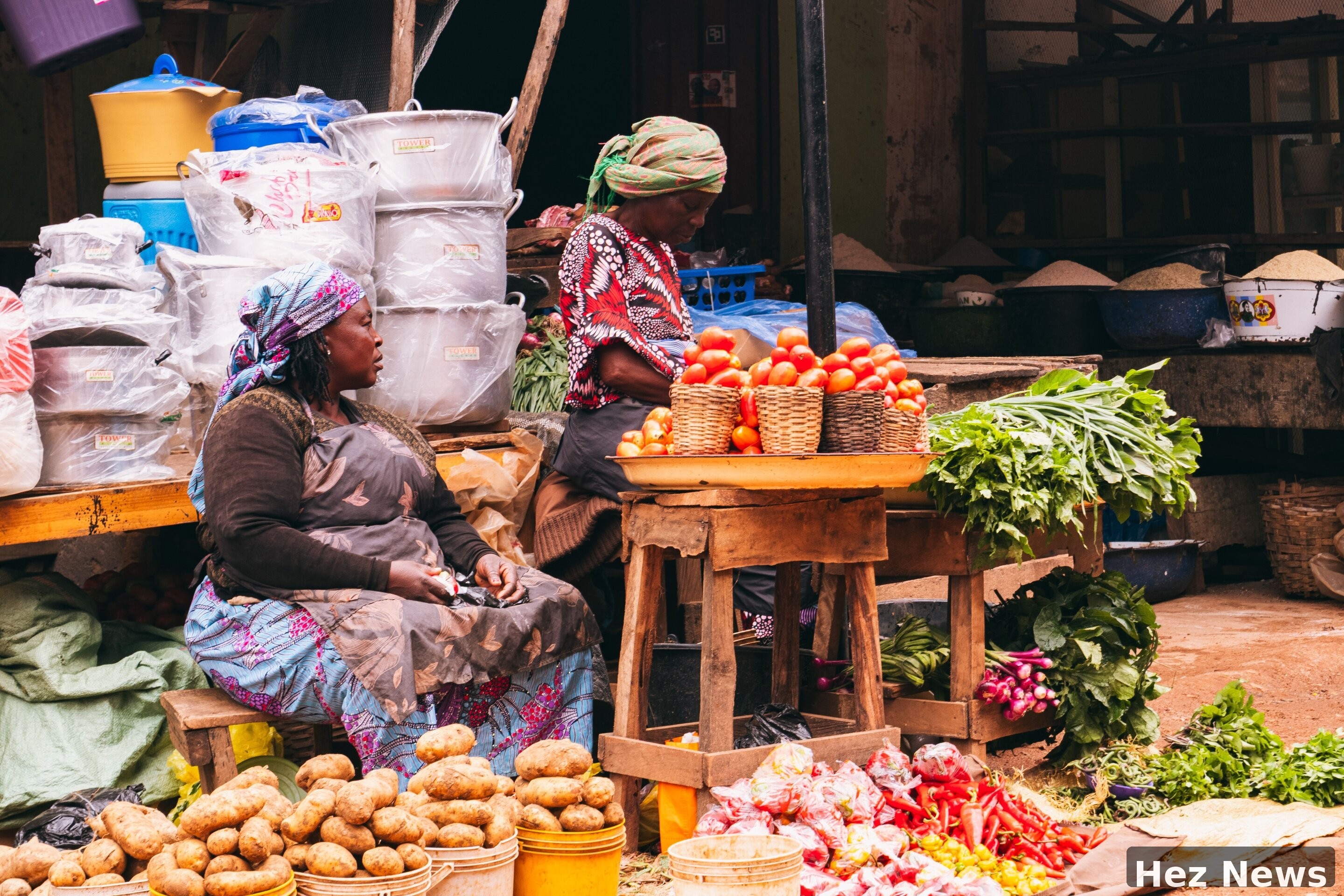
The ongoing conflict in Ukraine, coupled with severe drought conditions, has significantly altered the food affordability landscape in Kenya. As the war escalated in February 2022, its ripple effects reached far beyond Europe, affecting global energy and food markets.
Global Energy Crisis
Russia's invasion of Ukraine triggered a surge in crude oil and natural gas prices, which in turn impacted transportation and production costs worldwide. These changes have been particularly felt in countries like Kenya, where food imports are a crucial part of the economy.
Food Affordability in Kenya
Kenya has been grappling with rising food prices as a direct consequence of these global shifts. The disruption of supply chains has led to increased costs for essential commodities, making it difficult for many families to afford basic food items. Staples such as maize, beans, and cooking oil have seen significant price hikes, exacerbating food insecurity in a nation already vulnerable to climate change.
Local Impact on Families
For many Kenyan families, the combination of drought and increased food prices has meant tough choices. Parents are forced to prioritize their spending, often reducing the quantity and quality of food available to their children. This situation is not only a humanitarian crisis but also a potential long-term threat to public health and nutrition.
Nigeria's Perspective
As a nation that also faces its own agricultural and economic challenges, Nigeria can draw lessons from Kenya's situation. The ongoing conflict in Ukraine serves as a reminder of the interconnectedness of global food systems. With Nigeria's reliance on agricultural exports, particularly in the northern regions, understanding these global dynamics is essential for policymakers and stakeholders.
Government and International Response
The Kenyan government, in response to the escalating crisis, is exploring various strategies to mitigate the impact of rising food prices. This includes looking for alternative food sources and enhancing local production capabilities. Additionally, international aid organizations are stepping in to provide support, but the effectiveness of these measures remains to be seen.
Conclusion
The situation in Kenya highlights the urgent need for countries, including Nigeria, to bolster their food security strategies. As global conflicts and climate change continue to threaten food systems, collaboration and proactive measures will be key to ensuring that families can afford nutritious meals in the future.




Leave a Comment