

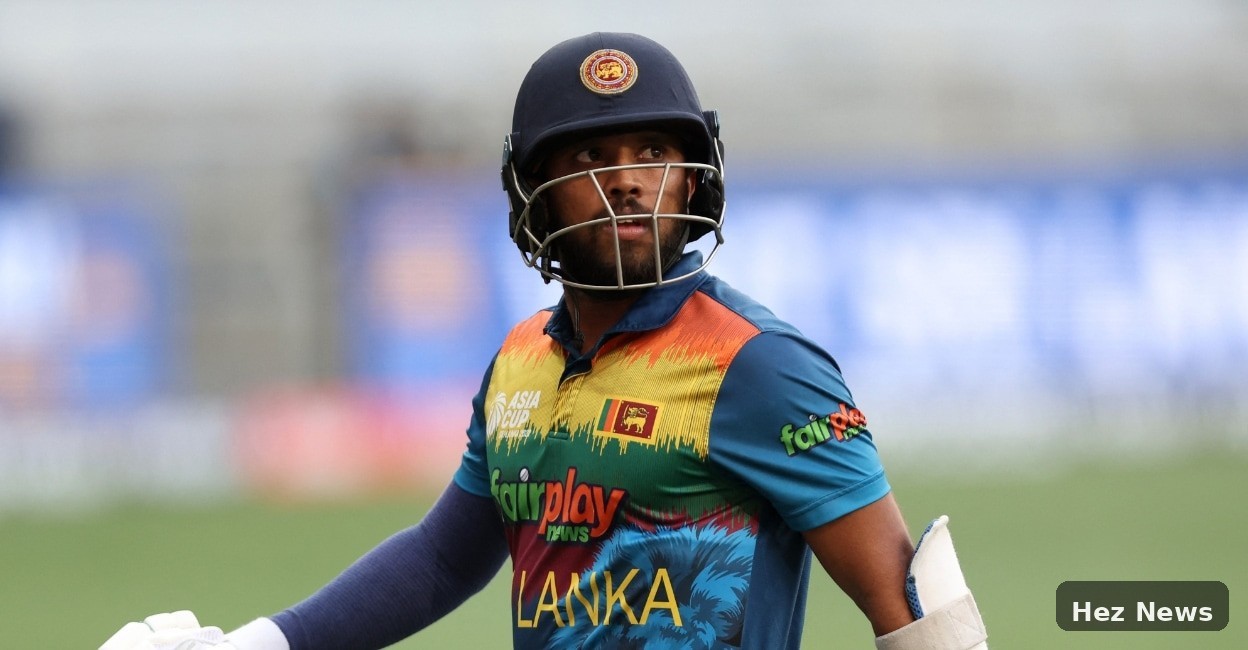
Sri Lankan cricketers have taken a significant step forward by establishing a new players' association, aiming to strengthen their representation in the cricketing landscape. The association, named the Sri Lankan Professional Cricketers’ Association, has appointed white-ball captain Kusal Mendis as its inaugural president.
Background and Importance of the Association
This development comes at a crucial time as Sri Lanka Cricket undergoes a reform process aimed at enhancing the governance and operations of the sport in the country. The formation of this association is expected to empower players, giving them a platform to voice their concerns and contribute to the decision-making processes that affect their careers.
The push for a players' association has been echoed by various stakeholders in cricket, particularly as players across the globe increasingly seek greater autonomy and rights. This move aligns with trends seen in other cricketing nations, where players' associations have played pivotal roles in negotiations regarding contracts, working conditions, and player welfare.
Impact on Sri Lankan Cricket
The establishment of the Sri Lankan Professional Cricketers’ Association is poised to have a profound impact on cricket in the country. As players unite under this banner, it is expected that their collective voice will lead to better conditions, fairer contracts, and a more robust support system for athletes at all levels.
In a country where cricket is not just a sport but a cultural phenomenon, the players' association could also play a vital role in nurturing young talent and ensuring that the future of Sri Lankan cricket remains bright. With Kusal Mendis at the helm, the association is likely to prioritize issues that resonate with players across various formats, especially in the context of the ongoing challenges facing international cricket.
Reflections from the Nigerian Cricket Community
As Nigeria continues to develop its cricketing infrastructure and community, the lessons from Sri Lanka's new players' association can serve as a guiding framework. The establishment of such an organization can foster a sense of unity among Nigerian cricketers, allowing them to advocate for their rights and interests effectively.
In Nigeria, cricket is steadily gaining popularity, and initiatives that empower players can significantly contribute to the sport's growth. The success of the Sri Lankan model may inspire similar movements within the Nigerian cricketing landscape, emphasizing the importance of player representation and welfare.
Conclusion
The formation of the Sri Lankan Professional Cricketers’ Association marks a new chapter for cricketers in Sri Lanka, providing them with a voice in the evolving landscape of international cricket. As the association embarks on its journey under Kusal Mendis's leadership, the eyes of the cricketing world will be on how this initiative unfolds and influences the future of the sport.






Leave a Comment