

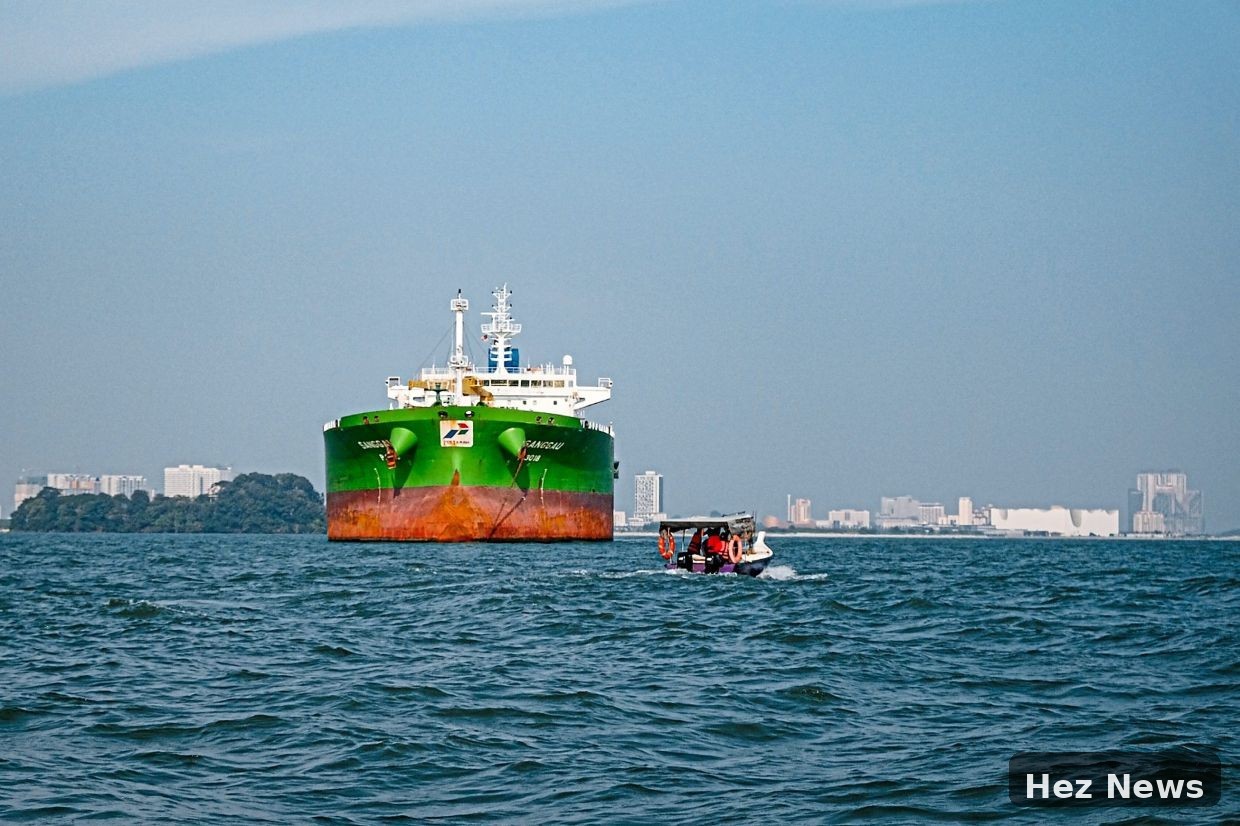
The Malacca Strait is a vital maritime passage, linking the Indian Ocean to the South China Sea. With approximately 100,000 vessels traversing its 800 km stretch annually, the strait plays a significant role in global trade, including for Nigerian exports and imports.
Understanding the Malacca Strait
Strategically located, the Malacca Strait serves as a crucial chokepoint for maritime transportation. It is particularly important for countries like Nigeria, which rely on shipping routes for the movement of oil and other goods. The strait's depth and width can impose restrictions on ship design and capacity, influencing the global shipping industry.
Ship Design and Depth Limitations
Cargo ships are designed with specific dimensions and capacities, which are influenced by the environments they navigate. The depth of the Malacca Strait varies, with certain areas being shallower than others, which can limit the size and draft of vessels that can safely pass through. This limitation raises critical questions for shipping companies and nations dependent on maritime trade.
For instance, the Nigerian shipping industry must consider these limitations when planning routes and designing new vessels. As Nigeria increases its focus on expanding its export capacity, understanding the navigational constraints of key waterways like the Malacca Strait is essential.
Global Trade and Economic Implications
The implications of these design restrictions extend beyond the immediate shipping lanes. A significant portion of Nigeria's oil exports travels through the Malacca Strait. If larger vessels cannot navigate these waters due to depth restrictions, it could lead to increased shipping costs, impacting the prices of goods in Nigerian markets.
Moreover, with the rise in global demand for oil and other commodities, the shipping industry is under pressure to adapt. Innovations in ship design may be necessary to accommodate these navigational challenges while also meeting environmental regulations and safety standards.
Future Considerations
As trade dynamics evolve, stakeholders in the Nigerian maritime sector must engage in ongoing dialogue about the implications of shipping design and the infrastructure of critical waterways like the Malacca Strait. This includes collaboration between shipbuilders, regulators, and economic planners to ensure that Nigeria can effectively participate in global trade.
In conclusion, while the Malacca Strait is a vital artery for international shipping, its depth presents significant challenges that must be addressed. For Nigeria, understanding these challenges is crucial for enhancing its trade relationships and ensuring that its shipping industry remains competitive in an ever-changing global market.






Leave a Comment