

Introduction
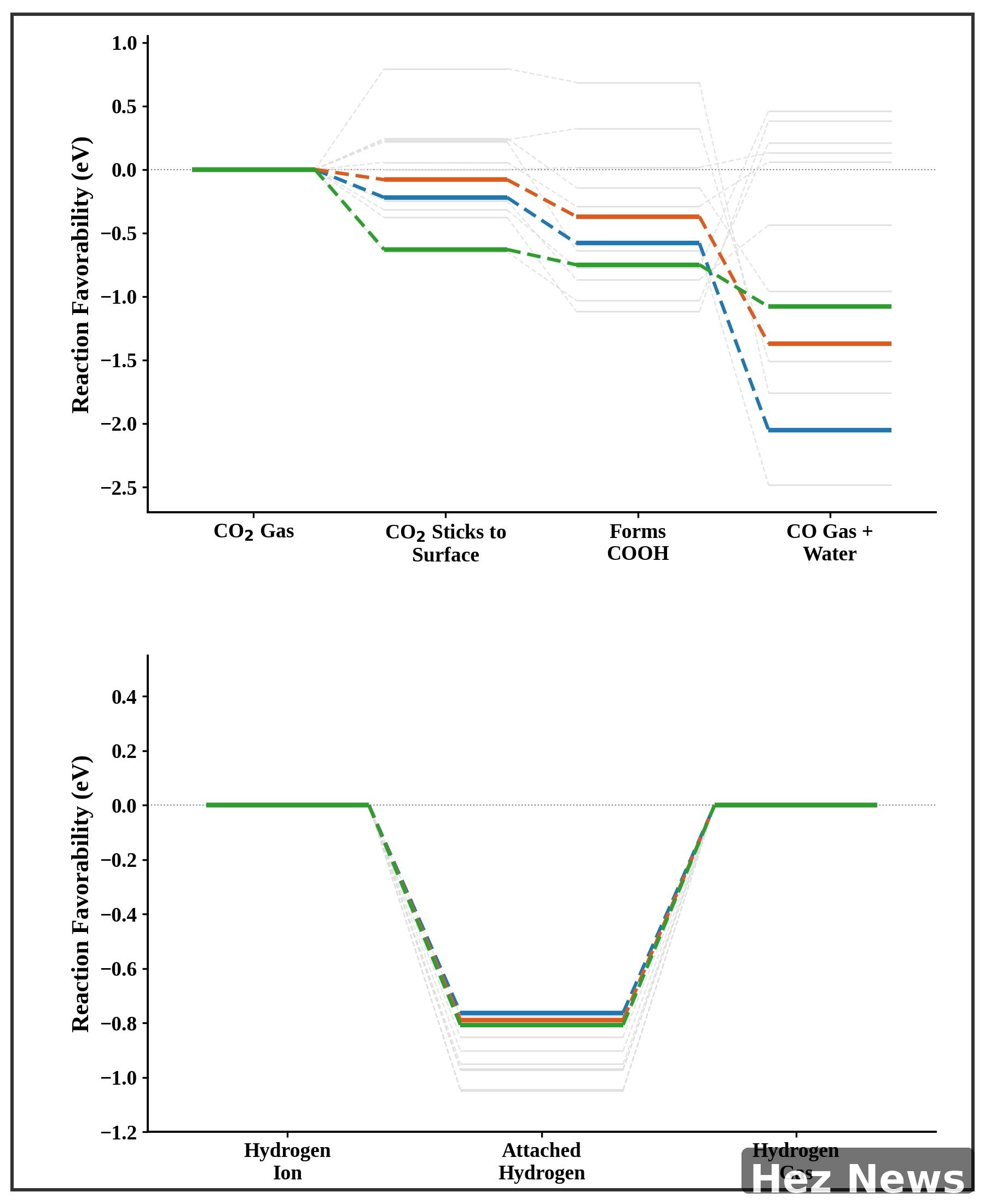
As the world grapples with the pressing challenge of climate change, carbon dioxide (CO₂) is often viewed as a critical pollutant that needs to be minimized. Nigeria, like many other countries, is heavily reliant on fossil fuels for electricity and transportation, making it imperative to explore innovative solutions for CO₂ conversion. Recent research has unveiled that five-metal two-dimensional (2D) catalysts can effectively convert CO₂ into carbon monoxide (CO) without the need for additional electrical energy.
The Science Behind CO₂ Conversion
Traditionally, the conversion of CO₂ into useful substances has been a complex process that often requires high energy input. However, the introduction of these five-metal 2D catalysts represents a significant breakthrough. These catalysts can facilitate the reaction at room temperature, making the process not only energy-efficient but also potentially cost-effective.
Implications for Nigeria
Nigeria's economic landscape is significantly influenced by its energy sector, which is predominantly fossil fuel-based. The adoption of such innovative technologies could pave the way for a more sustainable energy future. By converting CO₂ into CO, industries could utilize CO for various applications, including fuel production and chemical manufacturing, thus creating a circular economy that reduces waste and emissions.
The Role of Research and Development
Continuous investment in research and development is crucial for advancing such technologies. Nigerian universities and research institutions have the potential to lead in this field by collaborating with global partners. This collaboration could enhance local expertise and foster innovation that addresses both environmental and economic challenges.
Conclusion
As Nigeria looks toward a greener future, the development and implementation of efficient CO₂ conversion technologies will be vital. The five-metal 2D catalysts provide a promising avenue for reducing greenhouse gas emissions while simultaneously creating valuable products. This aligns with Nigeria's commitment to sustainable development and its goals under international climate agreements. The future is brighter with innovative solutions on the horizon.




Leave a Comment