

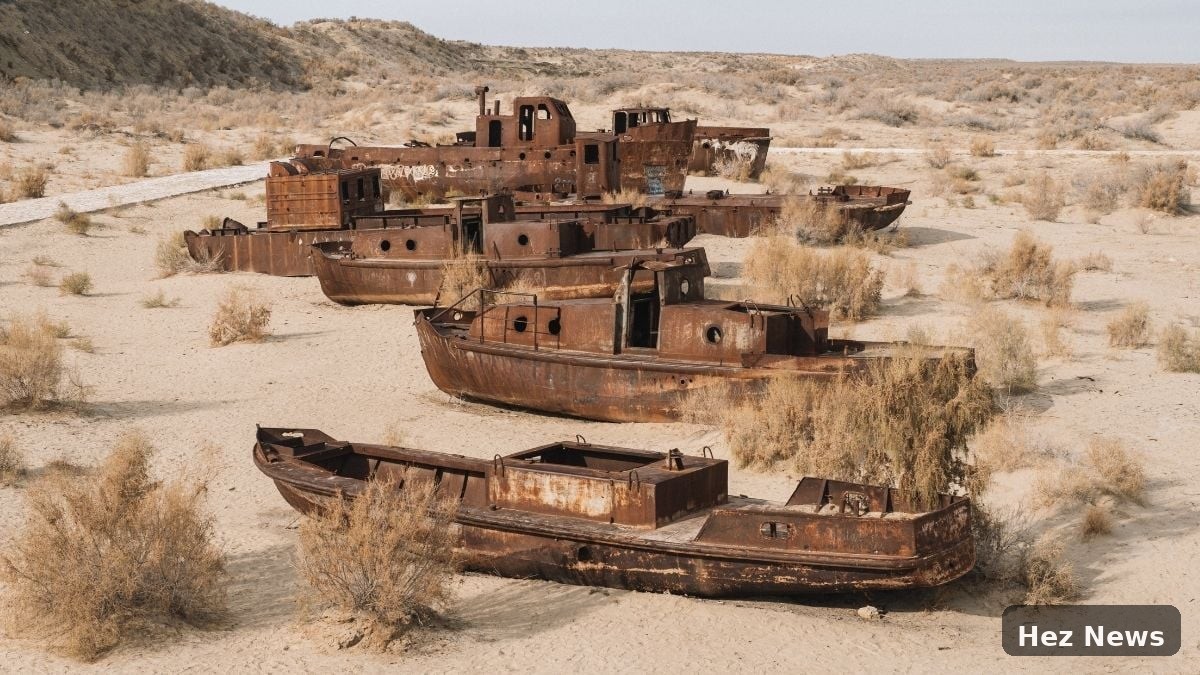
The alarming phenomenon of carbon emissions from dried lakebeds is gaining attention globally, particularly in regions already vulnerable to climate change, including Nigeria. As the world's largest dried lakebed continues to release significant amounts of carbon, experts are advocating for immediate solutions to mitigate its impact.
Understanding the Issue
During dry seasons, many lakebeds around the world, including those in arid regions of Nigeria, emit unpleasant odors due to the release of gases. This is primarily caused by the decomposition of organic matter trapped in the mud. The situation is particularly acute in large dried lakebeds, where vast areas of soil become exposed to the elements.
Environmental Impact
According to recent studies, the carbon released from these dried lakebeds can significantly contribute to greenhouse gas emissions, exacerbating climate change. In Nigeria, where the effects of climate change are already visible through erratic weather patterns and food insecurity, the implications of these emissions could be dire.
Potential Solutions
Scientists are exploring various methods to address the issue of carbon emissions from dried lakebeds. One promising approach involves restoring the natural wetland ecosystems that have been lost due to human activity. By reintroducing water to these areas, it is possible to minimize the exposure of organic matter and reduce carbon emissions.
Moreover, innovative technology such as carbon capture and storage (CCS) can play a crucial role in curbing emissions. This technique involves capturing carbon dioxide emissions before they enter the atmosphere and storing them underground. Implementing CCS in Nigeria could be a significant step towards achieving the country’s climate goals.
The Role of Policy and Community Engagement
Addressing the issue of carbon emissions from dried lakebeds requires a multi-faceted approach that includes policy changes, community involvement, and scientific research. Nigerian policymakers must prioritize sustainable land management practices that protect vulnerable ecosystems.
Engaging local communities in conservation efforts is also vital. By raising awareness about the importance of preserving wetlands and their role in carbon storage, communities can be empowered to take action.
Conclusion
As the world grapples with climate change, the situation of the world's largest dried lakebed serves as a stark reminder of the challenges ahead. For Nigeria, addressing the carbon emissions from dried lakebeds is not just an environmental issue; it is a matter of public health and economic stability. By implementing innovative solutions and fostering community engagement, there is hope for a sustainable future.






Leave a Comment