

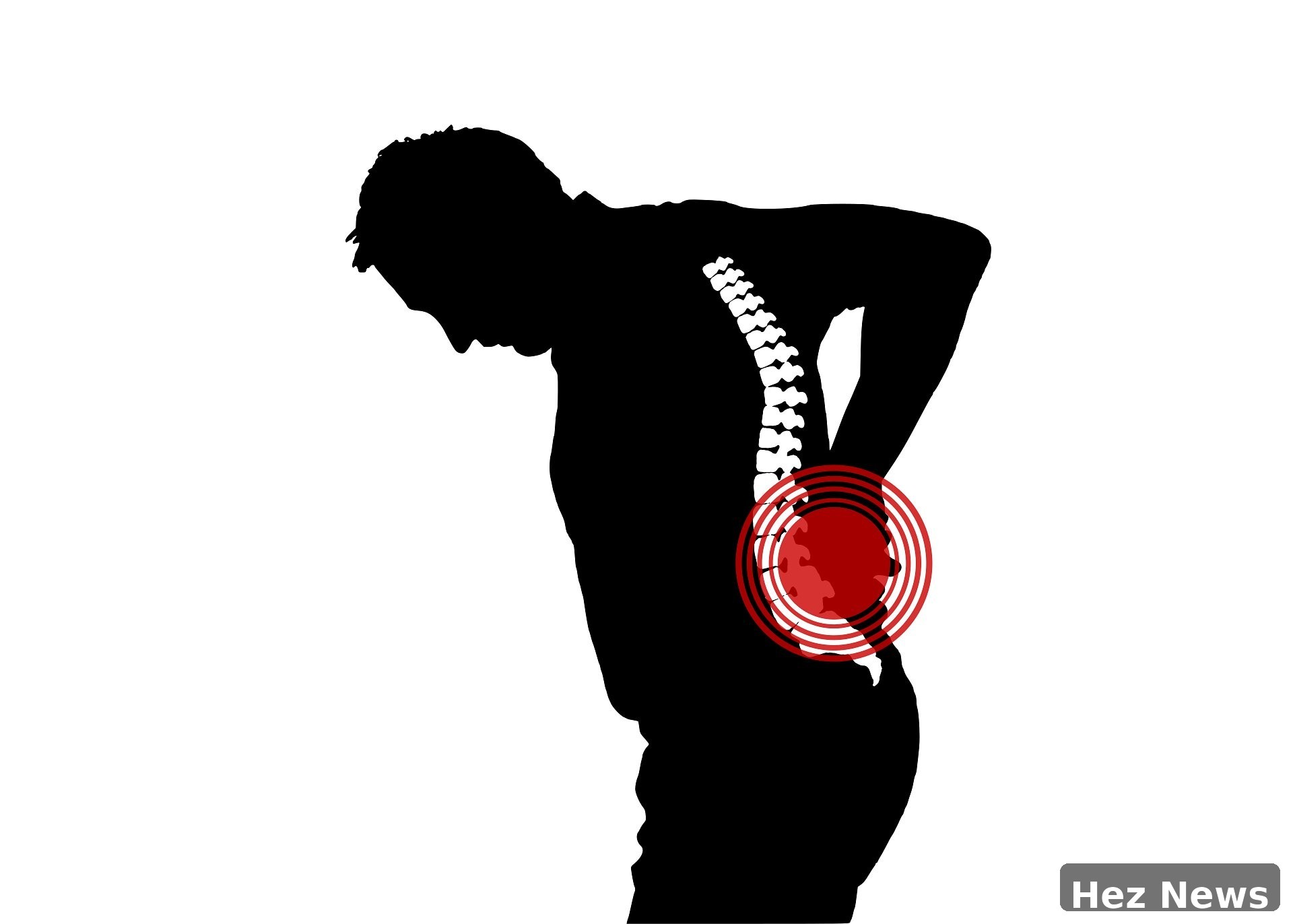
In a recent Cochrane review, researchers have concluded that there is very low-quality evidence regarding the effectiveness of lumbar supports, commonly referred to as back braces, for managing chronic low back pain. This finding raises significant questions about the advisability of using these devices, particularly in contexts like Nigeria where back pain is a prevalent issue.
Understanding Chronic Low Back Pain
Chronic low back pain is a common ailment affecting millions globally, including a large population in Nigeria. Factors contributing to this condition range from sedentary lifestyles to physical labor, making it a multifaceted health issue. Many Nigerians turn to lumbar supports, believing they offer relief and stability, especially in a society where access to advanced medical care can be limited.
Insights from the Cochrane Review
The Cochrane review analyzed various studies examining the use of lumbar supports for chronic low back pain. The primary takeaway is that the evidence supporting their efficacy is insufficient. The review states that no strong recommendations can be made either in favor of or against the use of these back braces, highlighting a gap in reliable clinical data.
Implications for Nigerian Health Care
For many Nigerians, the affordability and accessibility of lumbar supports make them a go-to solution for back pain relief. However, the findings of this review suggest that healthcare providers and patients should exercise caution. While these braces are inexpensive and widely available, their actual benefit may not justify their use in all cases.
Alternative Approaches to Back Pain Management
Given the uncertainty surrounding lumbar supports, it is crucial for individuals suffering from chronic low back pain to explore alternative treatment options. These may include:
- Physical Therapy: A tailored exercise program can strengthen back muscles and improve flexibility.
- Medication: Non-steroidal anti-inflammatory drugs (NSAIDs) may help alleviate pain.
- Education: Understanding proper body mechanics can prevent further injury.
- Mindfulness and Relaxation Techniques: Stress management can play a role in pain perception.
By adopting a holistic approach to back pain management, individuals may find more effective and sustainable relief.
Conclusion
While lumbar supports are widely used, the recent findings from the Cochrane review indicate a need for more research and a careful assessment of their effectiveness in treating chronic low back pain. As Nigerians navigate their health options, it is essential to prioritize evidence-based practices and consult healthcare professionals for personalized treatment plans.






Leave a Comment