

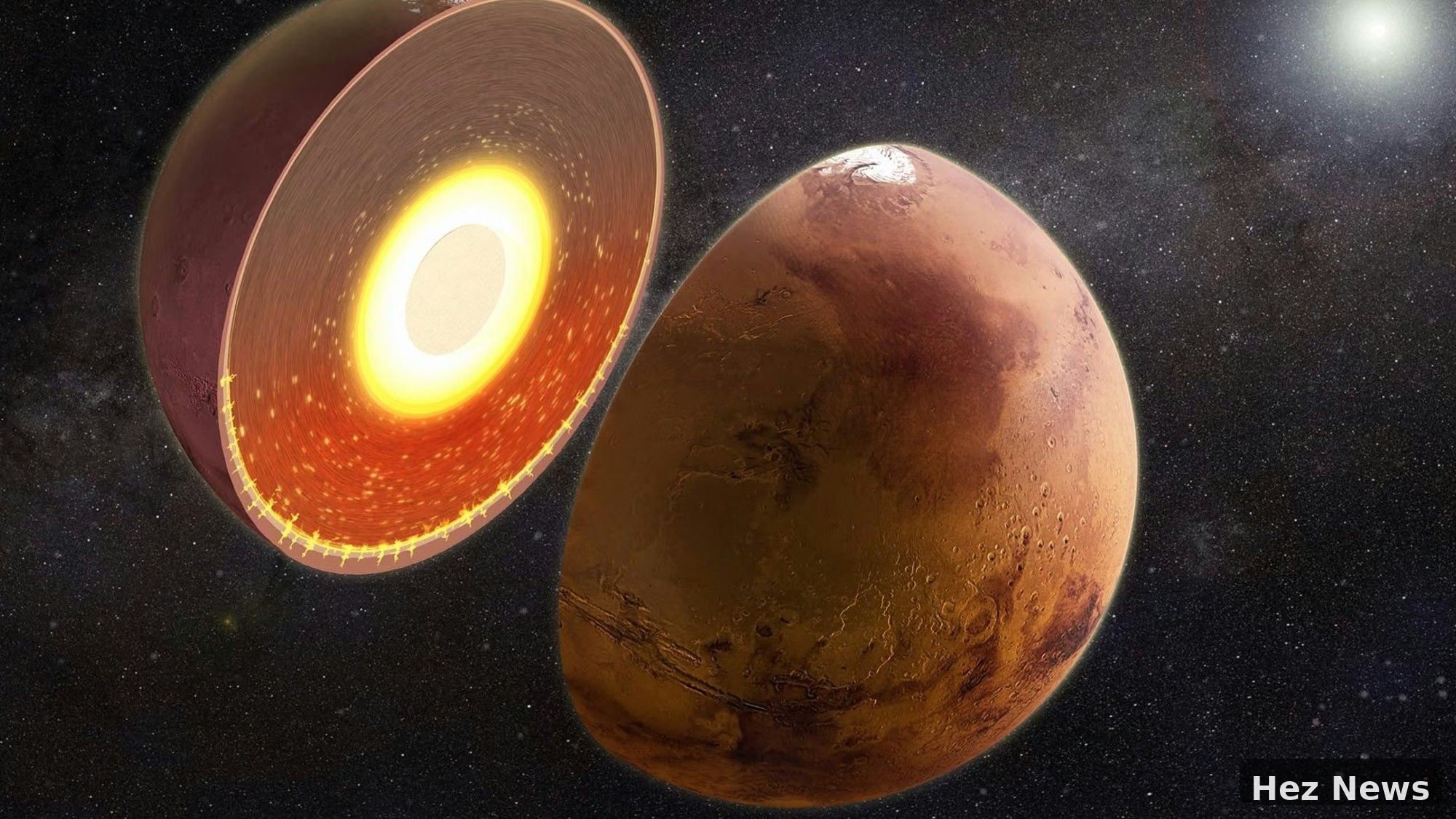
Recent discoveries about Mars have revealed a significant thermal anomaly beneath its surface, particularly in the southern hemisphere. This finding sheds light on the complex nature of the Red Planet, which continues to intrigue scientists and space enthusiasts alike.
The Two Halves of Mars
Research indicates that Mars may consist of two distinct geological halves. The southern hemisphere, where this anomaly is located, exhibits temperatures that are astonishingly up to 750 degrees Fahrenheit (400 degrees Celsius) higher than those recorded in other areas of the planet. This data not only enhances our understanding of Martian geology but also raises questions about the planet's thermal history and potential for past life.
Significance for Nigerian Scientists and Students
For Nigerians, this discovery could inspire a new wave of interest in space science and exploration. As Nigeria continues to develop its space program, understanding planetary geology becomes crucial, especially for young scientists who aspire to contribute to space research. The Nigerian Space Research and Development Agency (NASRDA) has been actively engaging with educational institutions to promote STEM (Science, Technology, Engineering, and Mathematics) education, and findings like these can serve as motivation.
Implications for Future Mars Missions
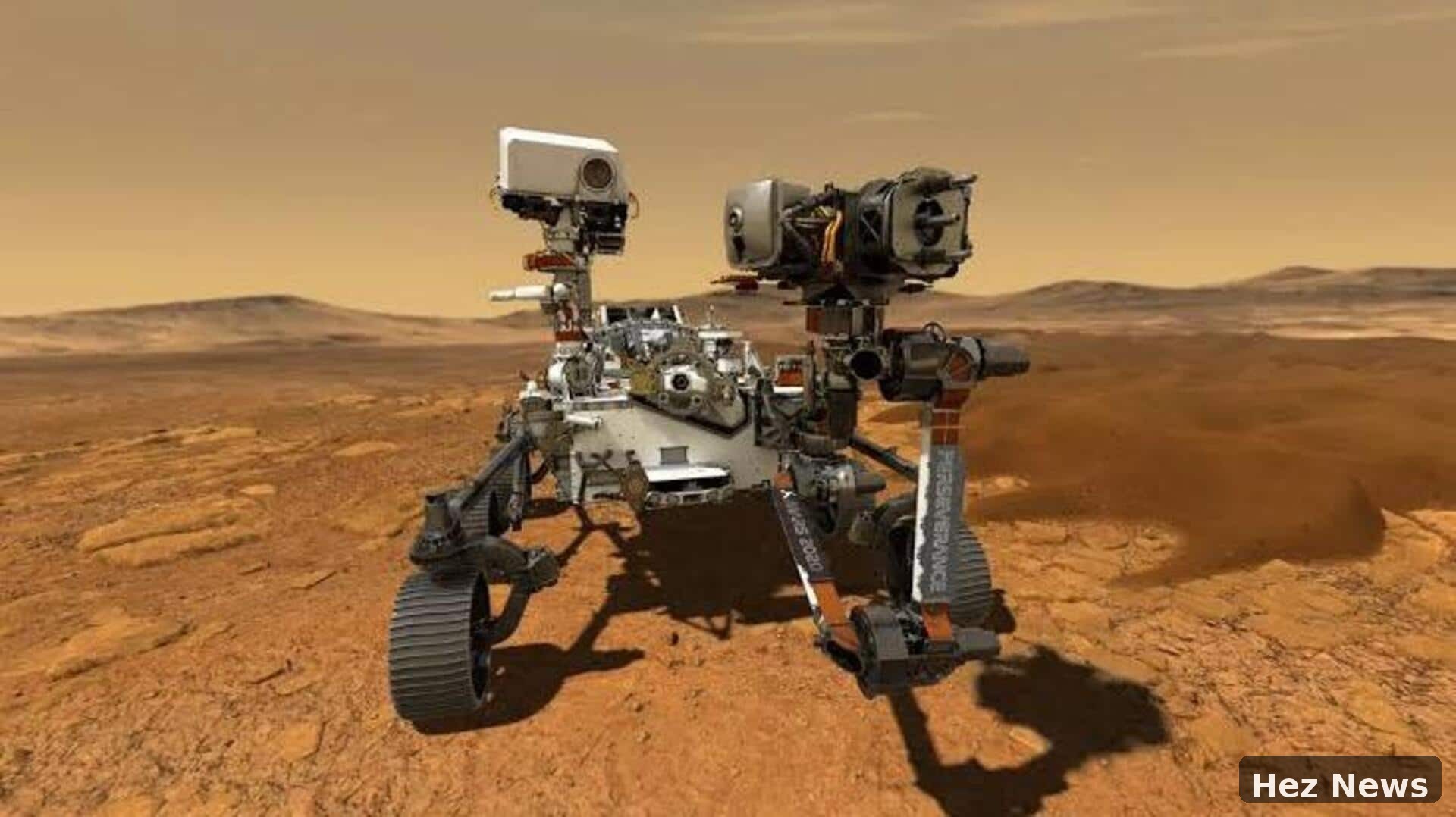
This thermal anomaly opens up possibilities for future exploratory missions. Understanding the internal structure of Mars can help scientists identify potential resources and plan for human exploration. It also emphasizes the importance of international collaboration in space exploration, a sentiment echoed by many Nigerian scientists advocating for more partnerships with global space agencies.
Conclusion
The discovery of this massive heat source on Mars not only highlights the planet's complex geological features but also represents a stepping stone for future research. As Nigeria strengthens its position in the global space community, findings like these will play a pivotal role in shaping the next generation of scientists.



Leave a Comment