

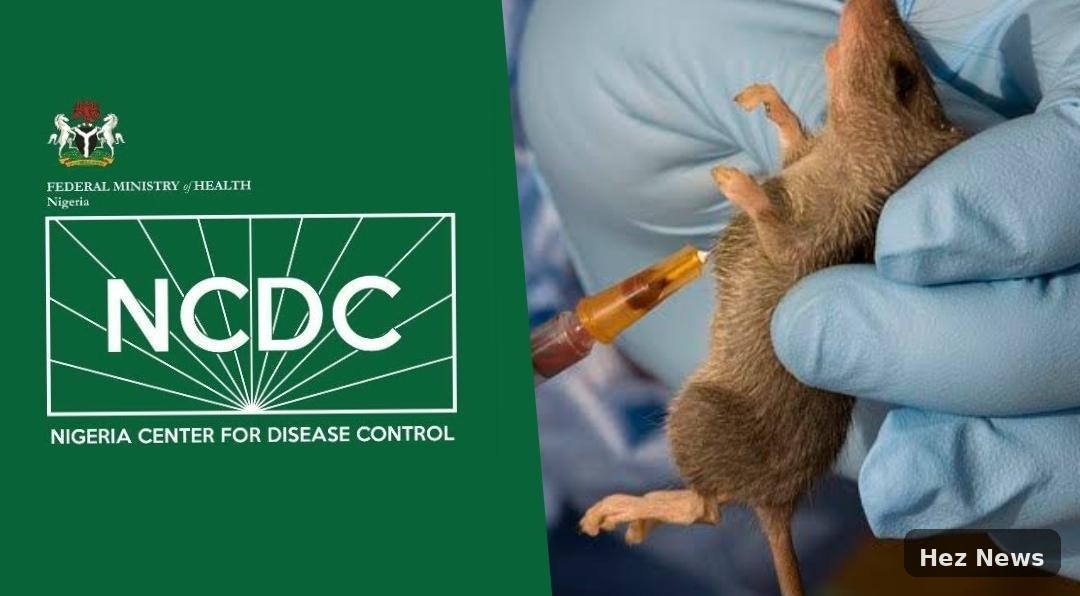
The Nigeria Centre for Disease Control and Prevention (NCDC) has confirmed fourteen new cases of Lassa fever across various states in Nigeria. This latest update has raised concerns among health officials and the public.
Overview of the Situation
Lassa fever, a viral hemorrhagic illness, is endemic in Nigeria and poses a significant public health challenge. The disease is primarily transmitted to humans through contact with food or household items contaminated with the urine or feces of infected Mastomys rats.
Recent Developments
The NCDC disclosed that the recent cases were identified through its surveillance system, which is continuously monitoring the situation across the country. Health authorities have been urged to enhance their vigilance and response strategies to contain the spread of the virus.
In the past few months, Nigeria has experienced an uptick in Lassa fever cases, with various health campaigns aimed at educating the public about preventive measures. Awareness is crucial in limiting the transmission of the virus, especially in rural areas where healthcare access may be limited.
Symptoms and Prevention
Symptoms of Lassa fever typically include high fever, weakness, and headaches, which can escalate to more severe conditions if not treated promptly. Early detection and treatment are vital for improving outcomes in affected individuals.
To prevent the spread of Lassa fever, the NCDC recommends the following:
- Proper food storage and handling to avoid contamination.
- Maintaining good hygiene practices, especially in households.
- Seeking medical attention immediately if symptoms appear.
Government and Health Agency Responses
In response to the recent spike in cases, the Nigerian government, in collaboration with health agencies, is ramping up educational campaigns and health interventions in affected regions. Local authorities are also being urged to engage community leaders to foster better understanding and compliance with health advisories.
Conclusion
The NCDC continues to monitor the situation closely and is working on strategies to mitigate further spread of Lassa fever. As the health landscape evolves, it is crucial for all Nigerians to stay informed and proactive in safeguarding their health.





Leave a Comment