

The Nigeria Centre for Disease Control (NCDC) has reported a troubling surge in Lassa fever cases for the year 2026, with a total of 1,104 confirmed cases and 259 deaths across the nation.
Overview of the Outbreak
This alarming data highlights the ongoing public health challenge posed by Lassa fever, an acute viral hemorrhagic illness endemic to parts of West Africa, including Nigeria. The NCDC’s report revealed that a staggering 88 percent of all confirmed cases were concentrated in just five states: Ondo, Bauchi, Taraba, Edo, and Benue.
State-Specific Data
Understanding the distribution of these cases is vital for targeted interventions. Ondo State continues to be one of the hardest-hit regions, as has been the case in previous outbreaks. The NCDC’s analysis indicates that immediate action is necessary to curb the spread in these areas, particularly in rural communities where healthcare access is limited.
Public Health Response
In response to the outbreak, the NCDC has been working closely with state health authorities to enhance surveillance and improve community awareness. Efforts include:
- Community Engagement: Raising awareness about Lassa fever symptoms and prevention measures.
- Strengthening Healthcare Facilities: Ensuring that hospitals are equipped to handle cases and provide adequate care.
- Training Healthcare Workers: Providing training on early detection and management of Lassa fever.
Historical Context
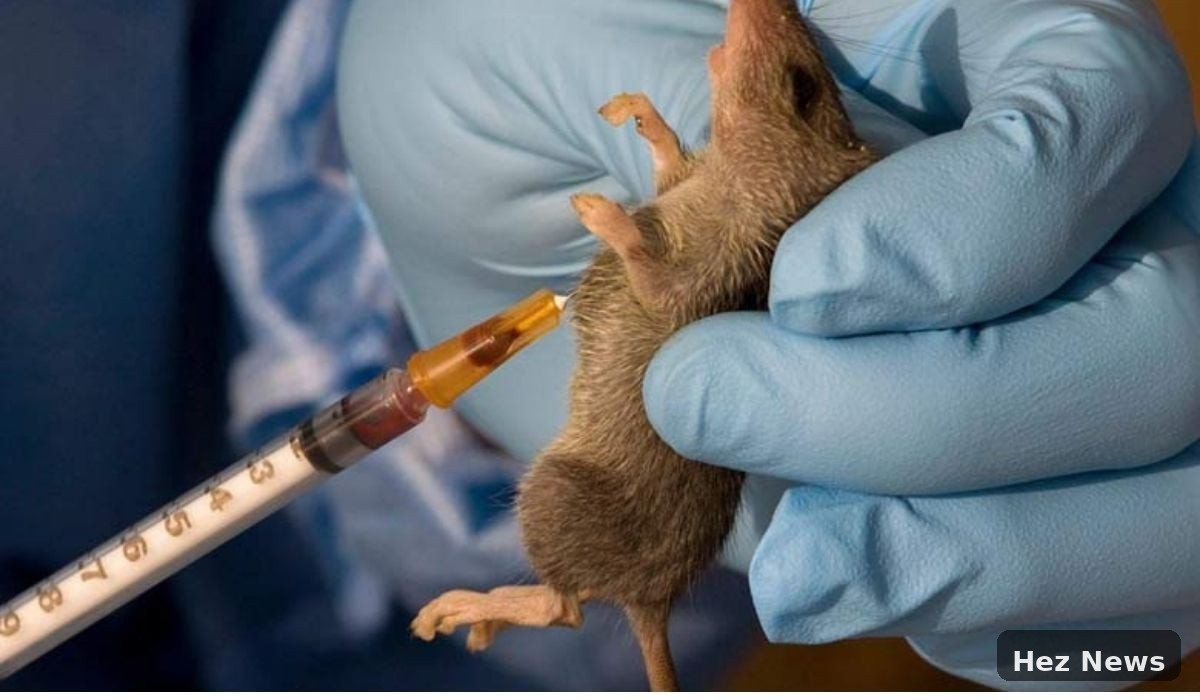
Lassa fever was first identified in 1969 in Nigeria, and since then, it has posed a significant health risk to the population, particularly during dry seasons when rodent populations, which carry the virus, tend to increase. The virus is primarily transmitted to humans through contact with food or household items contaminated with rodent urine or feces.
Looking Ahead
As Nigeria continues to grapple with Lassa fever, the NCDC emphasizes the importance of public awareness and early detection. Citizens are encouraged to seek medical attention immediately if they experience symptoms such as fever, weakness, and bleeding.
With ongoing efforts to combat this disease, it is crucial for communities to remain informed and vigilant. The NCDC remains committed to providing updates and resources to support the fight against Lassa fever.
This report serves as a reminder of the importance of public health measures and the need for collective action to safeguard the health of Nigerians.






Leave a Comment