

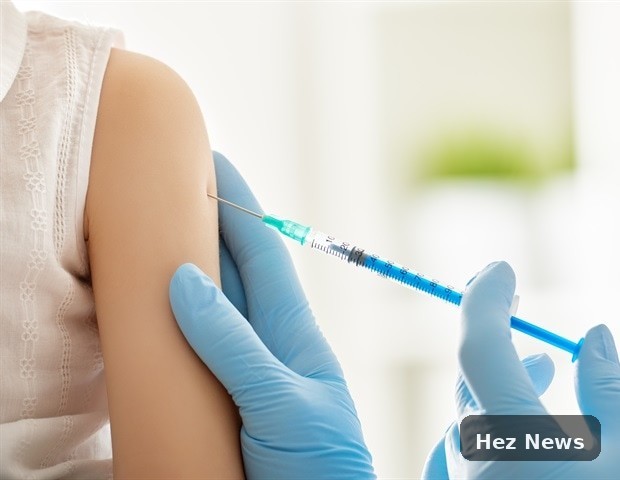
A groundbreaking trial of a fridge-free tetanus-diphtheria vaccine at the University Hospital Southampton (UHS) has yielded promising results that could significantly enhance access to essential vaccines worldwide.
Addressing Global Vaccine Waste
Annually, nearly half of all vaccines produced globally are discarded due to various factors such as temperature control issues and logistical challenges. This wastage is especially pronounced in regions like Nigeria, where infrastructural limitations hinder effective vaccine distribution.
Importance of Fridge-Free Solutions
The new vaccine trial demonstrates that a fridge-free formulation can maintain efficacy without the need for constant refrigeration. This is particularly relevant for Nigeria, where many rural areas lack the necessary refrigeration facilities. By eliminating the refrigeration requirement, healthcare providers can deliver vaccines to remote communities more efficiently.
Potential Impact on Public Health
In Nigeria, where diseases such as tetanus and diphtheria remain prevalent, the successful rollout of a fridge-free vaccine could save countless lives. The encouraging results from the UHS trial suggest that more countries could incorporate this technology to improve immunization rates.
Broader Implications for Vaccine Distribution
As global health organizations strive to achieve universal vaccination coverage, innovations like the fridge-free vaccine represent a critical step forward. This advancement could help bridge the gap in immunization disparities, especially in low- and middle-income countries, including Nigeria.
Conclusion
As the world continues to combat vaccine-preventable diseases, the fridge-free tetanus-diphtheria vaccine trial at UHS marks a significant milestone. With further development and distribution, this innovation has the potential to transform immunization practices and enhance healthcare outcomes across the globe, particularly in underserved regions.





Leave a Comment