

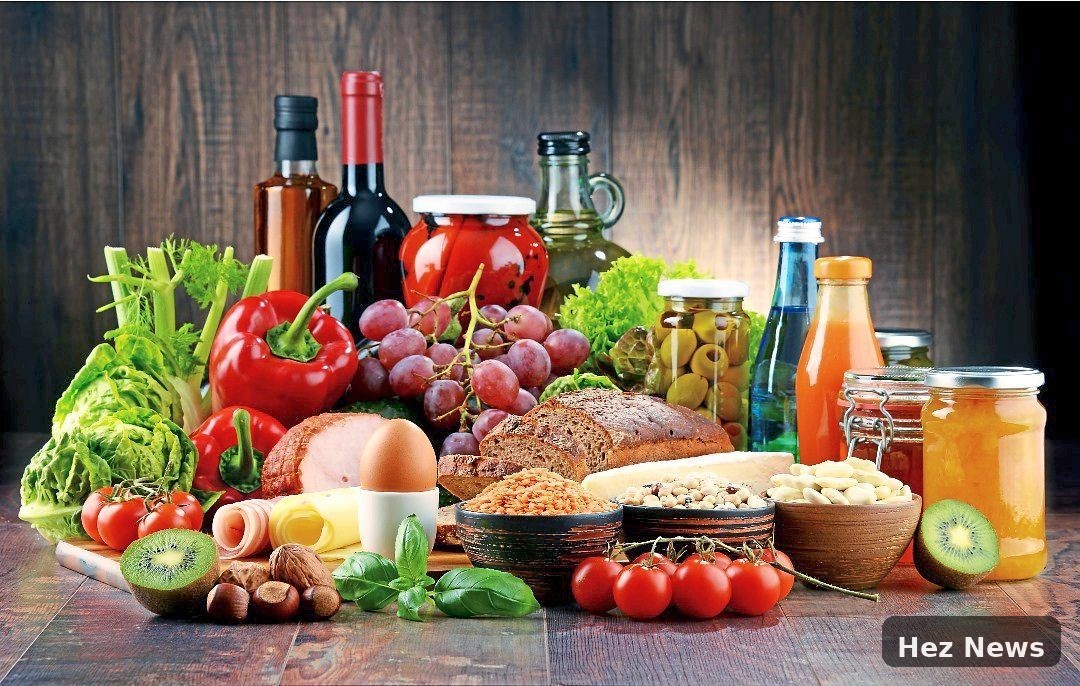
The struggle for many Nigerians to maintain a healthy diet has intensified, as recent reports indicate that the cost of healthy food options has surged by 25% over the last five years. This alarming trend is not only local but is affecting one-third of the global population, as highlighted in a report released by the United Nations on July 15, 2026.
The Impact of Rising Food Prices in Nigeria
In Nigeria, where many households already grapple with food insecurity, these rising prices pose a significant challenge. The UN's findings underscore a worrying reality: healthier food choices are becoming increasingly inaccessible to a large segment of the population. The increased cost of staples like fruits, vegetables, and whole grains has forced many to opt for cheaper, less nutritious alternatives.
Economic Factors Contributing to High Food Costs
Several factors contribute to the rising costs of healthy foods in Nigeria. Inflation, fluctuating currency values, and supply chain disruptions caused by both local and global events have compounded the issue. Furthermore, the ongoing conflict in various regions of the country affects agricultural productivity, leading to diminished food availability and higher prices.
Many Nigerian families are now faced with difficult choices. According to recent surveys, over 60% of households report having to cut back on fruits and vegetables due to their escalating prices. This dietary shift can lead to long-term health issues, including malnutrition and chronic diseases.
Global Context and Local Solutions
While the UN's report paints a grim picture on a global scale, it also calls for urgent action. It emphasizes the need for governments to implement policies that can make healthy foods more affordable. In Nigeria, initiatives such as community gardens and local farming cooperatives could be vital in combating rising food costs. Additionally, education on nutrition and budget-friendly cooking can empower families to make healthier choices within their financial constraints.
Conclusion: A Call to Action
The message is clear: access to healthy food is a basic human right, and its increasing unaffordability is a pressing issue that needs collective action. Stakeholders, including policymakers, NGOs, and community leaders, must work together to create sustainable solutions that ensure all Nigerians can enjoy the benefits of a healthy diet.




Leave a Comment