

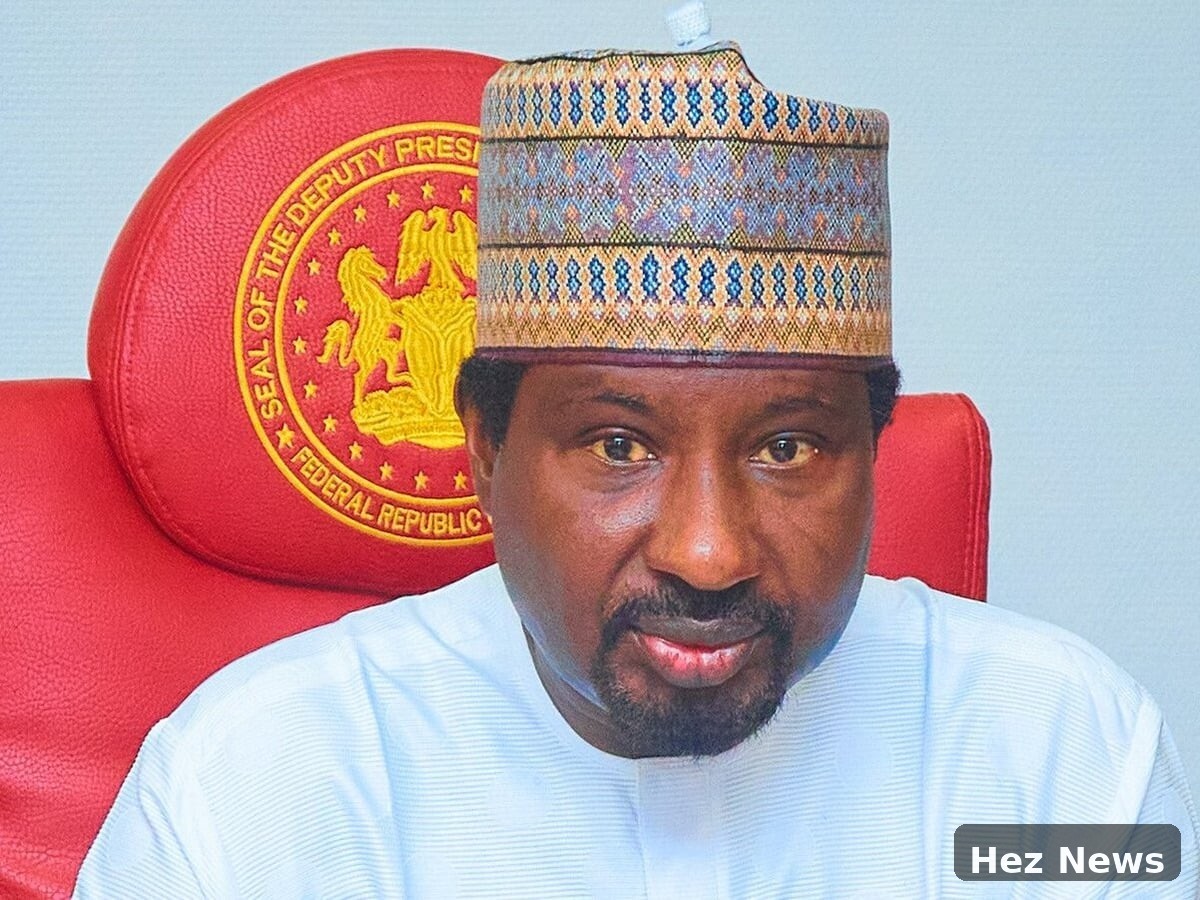
Senator Barau Jibrin, the Deputy President of the Nigerian Senate, has recently advocated for the establishment of state police as a crucial step towards enhancing the nation's security framework.
The Need for State Police
In a country grappling with various security challenges, including banditry, terrorism, and communal clashes, the call for state police has gained momentum. Senator Barau emphasized that local policing could provide tailored responses to the unique security needs of each state, thereby improving overall safety.
Local Solutions for Local Problems
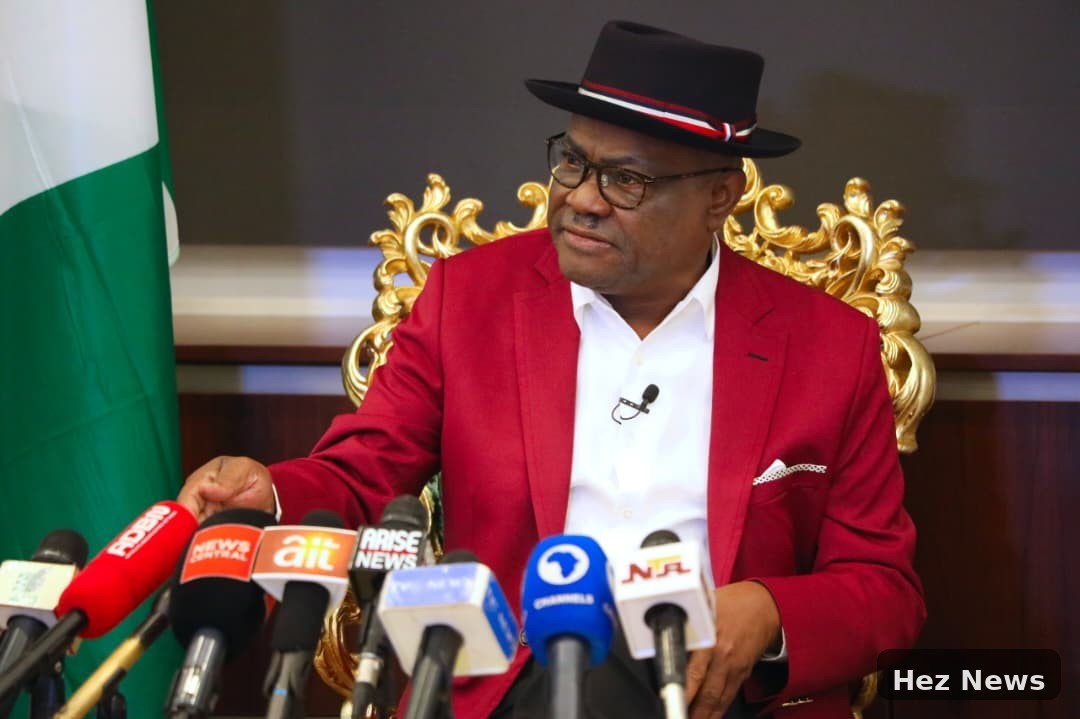
During a press briefing, Senator Barau noted that the central police force has struggled to effectively address security issues across Nigeria's diverse regions. He remarked, "State police will enable a more localized approach to law enforcement, ensuring that communities can actively participate in their own security arrangements." This sentiment reflects a growing consensus among lawmakers and citizens alike regarding the need for localized security measures.
Potential Benefits of State Police
Proponents of state police argue that it would lead to several benefits:
- Enhanced Community Engagement: By involving local populations in policing, communities can collaborate with law enforcement to identify and tackle security threats.
- Quicker Response Times: Local officers would be more familiar with the areas they patrol, allowing for faster response to incidents.
- Tailored Policing Strategies: Different states face unique challenges; state police can develop strategies that are specific to local needs.
Challenges Ahead
While the idea of state police is appealing, there are significant challenges that must be addressed. Concerns over political interference and the potential for misuse of power are prominent among critics. There are fears that state police could be manipulated for political ends or to suppress dissent.
Senator Barau acknowledged these concerns, stating, "It is essential to establish robust frameworks and regulations to ensure that state police operate independently and effectively." This includes adequate training, oversight, and accountability measures.
A Step Towards Decentralization
The establishment of state police is part of a broader conversation about decentralizing power in Nigeria. As the country continues to face numerous challenges, many believe that empowering states could lead to more effective governance and service delivery.
In conclusion, as discussions around state police gain traction, it is clear that Senator Barau's advocacy highlights a critical shift towards rethinking Nigeria's security architecture. The success of such an initiative will depend on careful planning and implementation, ensuring that local forces enhance, rather than undermine, the rule of law.
The post Senator Barau Advocates for State Police in Nigeria appeared first on Tribune Online.


Leave a Comment