

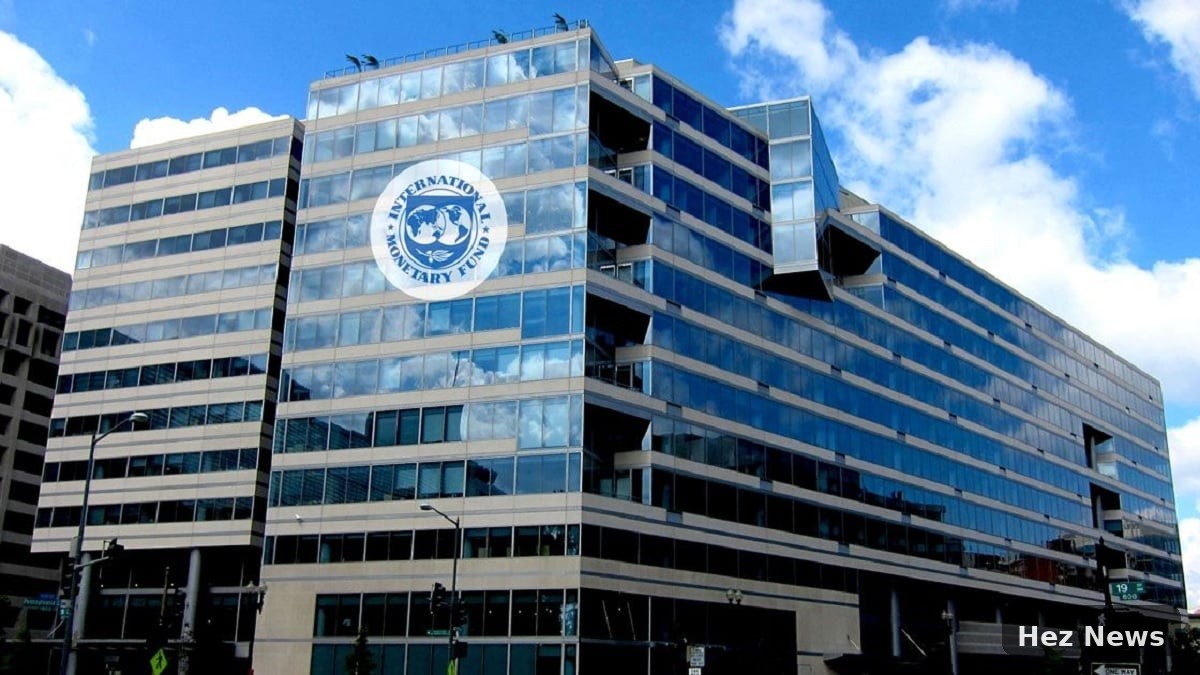
The International Monetary Fund (IMF) has issued a concerning projection for Nigeria, indicating that citizens may encounter significantly higher prices for essential goods by the year 2026. This forecast highlights the ongoing economic challenges facing the nation and raises alarms about the potential impact on the livelihoods of ordinary Nigerians.
Economic Context and Implications
Nigeria, which has been grappling with inflationary pressures for several years, has seen fluctuating prices for basic necessities such as food, fuel, and healthcare. The IMF's report suggests that these trends are likely to continue, exacerbated by various factors including global economic instability, local production challenges, and supply chain disruptions.
High prices for essentials can lead to a decrease in the purchasing power of Nigerians, disproportionately affecting low-income households. As food prices continue to soar, many families may struggle to afford adequate nutrition, leading to wider social and health implications.
Factors Contributing to Price Increases
Several key factors are contributing to the projected rise in prices for essential goods:
- Inflationary Trends: Nigeria has faced persistent inflation due to various economic policies and external market pressures.
- Exchange Rate Volatility: Fluctuations in the Naira's value against major currencies can significantly impact import costs, especially for food and pharmaceuticals.
- Supply Chain Disruptions: Ongoing global supply chain issues, exacerbated by the COVID-19 pandemic and geopolitical tensions, continue to affect the availability and cost of imported goods.
Government Response and Strategies
In response to these challenges, the Nigerian government has been urged to implement more effective economic policies aimed at stabilizing prices and ensuring food security. Measures could include:
- Supporting Local Agriculture: Investing in local farming initiatives to reduce dependency on imports and enhance food production.
- Subsidies and Price Controls: Considering subsidies on essential goods to alleviate the burden on consumers.
- Enhancing Infrastructure: Improving transportation and logistics to streamline supply chains and reduce costs.
Conclusion
The IMF's warning serves as a crucial reminder of the economic hurdles Nigeria faces. With the potential for rising prices looming on the horizon, it is imperative for both the government and citizens to prepare for the challenges ahead. Addressing these issues proactively could help mitigate the impact on Nigeria's economy and the welfare of its people.
As we move closer to 2026, it will be essential to monitor these economic indicators and ensure that solutions are implemented to safeguard the future of Nigerians.





Leave a Comment