

Checks and Balance is a weekly newsletter that delivers exclusive insights from our correspondents in the United States, tailored for interested readers in Nigeria.
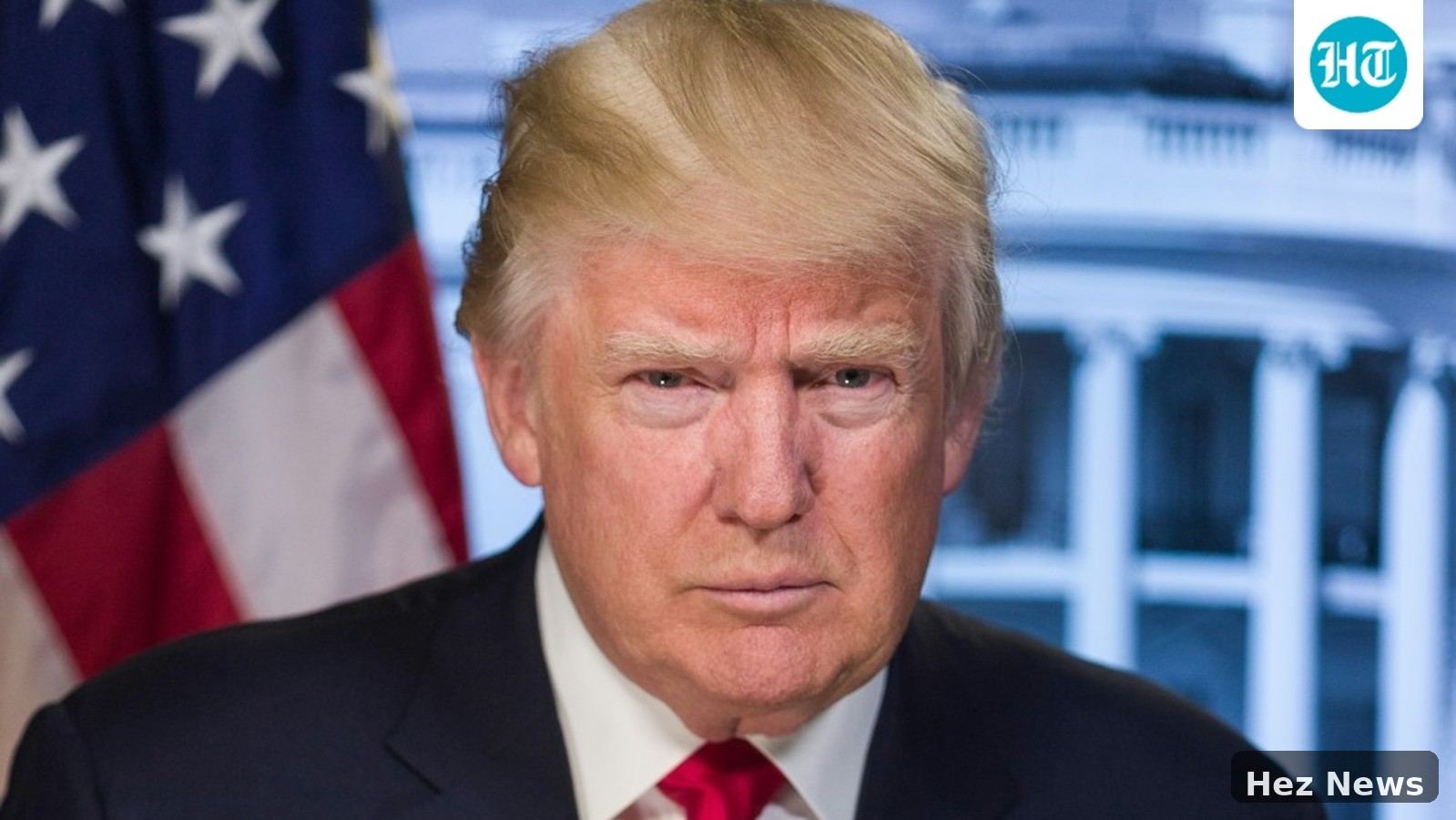
In recent years, the energy landscape has significantly shifted, with former President Donald Trump’s policies on oil becoming a focal point of debate. As Nigeria continues to navigate its own challenges in the oil sector, understanding Trump’s strategies can provide valuable lessons.
Trump's Oil Policies: A Decade Review
Over a decade ago, during his campaign in Bismarck, North Dakota, Trump positioned himself as a champion of the oil and gas industry. His administration aimed to boost domestic production, arguing that energy independence would strengthen the U.S. economy. This promise resonated not only with American voters but also with global markets, including Nigeria, which has its own oil dependency.
Trump's policies, including deregulation and the promotion of fossil fuel production, initially resulted in a surge in U.S. oil output. This boom, however, came with its complexities, affecting global oil prices and the dynamics of international trade.
Impact on Global Oil Markets
The implications of Trump's oil strategy were felt worldwide. As the U.S. ramped up production, oil prices fluctuated, impacting economies that heavily rely on oil exports, such as Nigeria. The Nigerian economy, which is significantly influenced by oil revenues, had to adapt to these changes, facing both challenges and opportunities.
As the Biden administration shifts towards renewable energy, the question remains: what will be the long-term effects of Trump's oil policies? For Nigeria, a country facing its own energy transition, the lessons from the U.S. are crucial.
Nigeria’s Oil Sector: Lessons to Learn
In light of recent global energy trends, Nigeria must evaluate its approach to oil production and consumption. The volatility in oil prices, exacerbated by geopolitical tensions and shifts in U.S. energy policies, highlights the need for diversification in Nigeria’s economy. As the world moves towards sustainable energy, Nigeria's reliance on oil could become a liability.
Moreover, the Nigerian government can draw from the U.S. experience by investing in technology and infrastructure that supports both oil production and renewable energy initiatives. Emphasizing sustainability can not only secure Nigeria’s economic future but also position the country as a leader in the African energy sector.
Conclusion
Trump's losing bet on oil, characterized by a focus on short-term gains, serves as a cautionary tale for Nigeria. As the country grapples with its own energy policies, the need for a balanced approach that embraces both traditional and renewable energy sources is paramount. The path forward requires strategic planning and a commitment to adapting to the ever-evolving global energy landscape.






Leave a Comment