

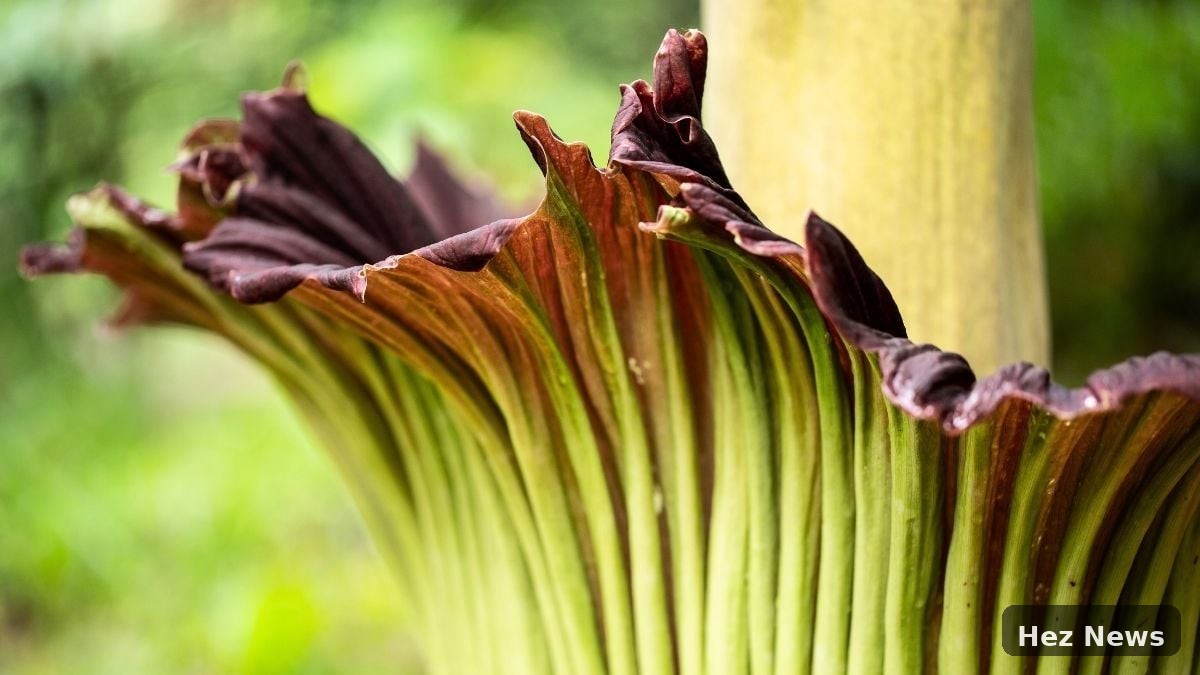
The world’s flowering plants, vital for ecosystems and human life, are under severe threat, and scientists are sounding the alarm. From the prized vanilla orchid, which is essential for many desserts enjoyed globally, to the notorious corpse flower, known for its overwhelming odor, the health of these plants is becoming increasingly precarious.
The Importance of Flowering Plants
Flowering plants play a critical role in the environment. They are not only a source of food but also provide habitat for numerous species. In Nigeria, flowering plants contribute significantly to local agriculture and the economy. For instance, the indigenous hibiscus plant is widely used in traditional beverages, and its cultivation supports many rural communities.
Global Concerns and Local Implications
Recent studies indicate that climate change, habitat destruction, and pollution are major factors threatening these plants worldwide. As ecosystems become increasingly imbalanced, the consequences could be dire—not just for the plants themselves but also for humans who rely on them.
In Nigeria, where biodiversity is rich but under constant threat, the warning from scientists is particularly relevant. The country hosts a variety of flowering plants that are not only integral to local cultures but also critical for food security.
What Can Be Done?
Awareness is the first step towards conservation. It is essential for both the government and local communities to engage in sustainable practices. This includes protecting natural habitats, promoting biodiversity, and supporting conservation initiatives.
Moreover, educational programs that highlight the importance of these plants can empower Nigerians to take action. By understanding the ecological and economic value of flowering plants, communities can better advocate for their preservation.
Conclusion
The warning issued by scientists serves as a wake-up call. The survival of flowering plants is closely tied to the wellbeing of our planet and humanity. As we face an uncertain future, it is crucial for every Nigerian to contribute to the protection and preservation of our natural heritage.





Leave a Comment