

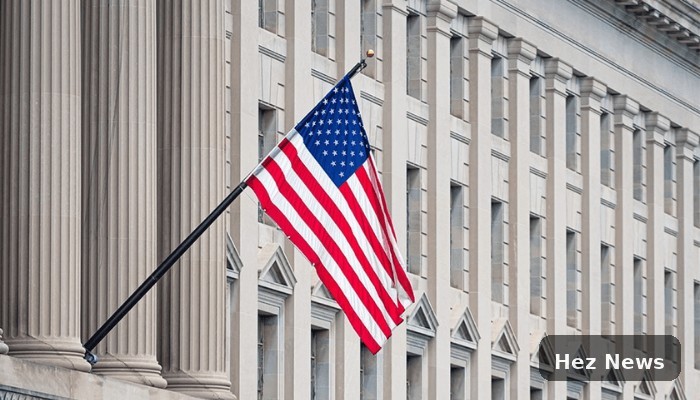
The United States Department of State has unveiled a significant funding initiative aimed at combating religious violence in Nigeria. A total of $3.5 million (approximately N5 billion) will be allocated to enhance documentation and tracking of incidents related to religious conflicts.
Background on Religious Violence in Nigeria
Nigeria has long been plagued by various forms of religious violence, often stemming from tensions between different faith communities, particularly between Christians and Muslims. These conflicts have led to devastating consequences, including loss of lives, displacement of communities, and a general state of insecurity.
In recent years, the frequency and intensity of these violent incidents have raised alarm among local and international observers. The U.S. government's intervention through this funding is seen as a crucial step toward fostering peace and stability within the region.
Objectives of the Funding
The primary goal of the U.S. funding is to strengthen the capacity for documenting, analyzing, and responding to religious violence in Nigeria. By improving data collection, the initiative aims to provide a clearer understanding of the patterns and triggers of these conflicts.
Furthermore, the funding will support local organizations and initiatives that work towards reconciliation and peacebuilding efforts. This collaborative approach is essential for creating sustainable solutions to the ongoing violence.
International Response and Local Impact
This funding comes at a time when Nigeria is facing heightened tensions due to various socio-political factors. The international community, particularly the U.S., has expressed a strong commitment to supporting Nigeria in its quest for peace. The funding is expected to empower local stakeholders, enabling them to take a more active role in conflict resolution.
Local leaders and organizations have welcomed this initiative, emphasizing the importance of international support in addressing the root causes of religious violence. The collaboration between the U.S. government and Nigerian civil society is seen as a vital component in restoring trust and fostering dialogue among different religious groups.
Looking Ahead
As the situation evolves, it will be crucial to monitor the impact of this funding on the ground. Stakeholders from various sectors, including government, religious institutions, and civil society, must work together to ensure the success of these efforts. The hope is that with adequate support and commitment, Nigeria can move towards a more peaceful coexistence among its diverse religious communities.
In conclusion, the U.S. Department of State's funding initiative represents a significant step towards addressing the pressing issue of religious violence in Nigeria. By focusing on documentation and local empowerment, there is potential for lasting change that can benefit all Nigerians.



Leave a Comment