

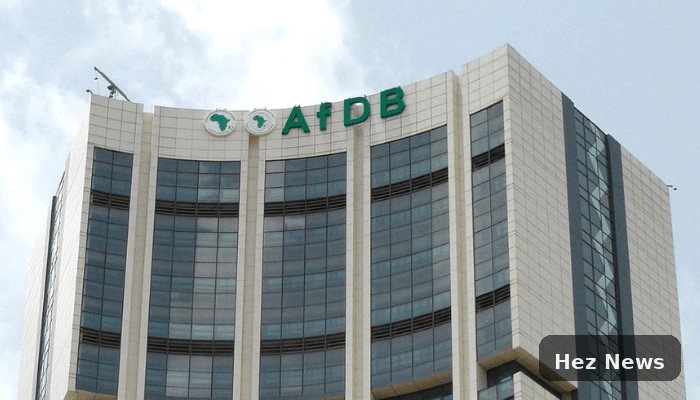
Nigeria's persistent electricity supply issues are not just an inconvenience; they are a significant barrier to economic growth. The African Development Bank (AfDB) has highlighted the hidden costs associated with the country's ongoing power crisis, which is severely impacting businesses and the overall economy.
The Cost of Erratic Electricity Supply
Many Nigerian businesses have found themselves caught in a cycle of escalating costs due to the lack of stable electricity. As power outages become more frequent, companies are increasingly relying on diesel generators to keep operations running. This reliance has led to a drain on profits, as the cost of fuel and maintenance for these generators adds up.
Impact on Business Operations
For small and medium enterprises (SMEs), which form the backbone of Nigeria's economy, the burden of high energy costs is particularly harsh. Entrepreneurs report that the expenses associated with using generators can consume up to 40% of their operational costs, forcing them to make tough decisions regarding pricing and staffing.
The AfDB’s report indicates that these hidden costs are contributing to a broader economic malaise, stifling innovation and growth in a country that is rich in resources and potential.
Broader Economic Implications
The ripple effects of the energy crisis extend beyond immediate business concerns. Job creation is hampered as companies struggle to maintain profitability in the face of soaring operational costs. This, in turn, affects consumer spending, leading to a contraction in the economy.
Moreover, the power crisis has environmental implications as well. The heavy reliance on diesel generators contributes to increased carbon emissions, undermining efforts to combat climate change.
Seeking Solutions
To address these challenges, it is crucial for policymakers to prioritize reforms in the power sector. Investment in renewable energy sources and upgrading existing infrastructure could provide long-term solutions to the electricity supply issue, reducing the dependency on generators.
As Nigeria grapples with these pressing energy challenges, the AfDB urges stakeholders to work collaboratively to create a sustainable energy sector that supports economic growth and development.






Leave a Comment