

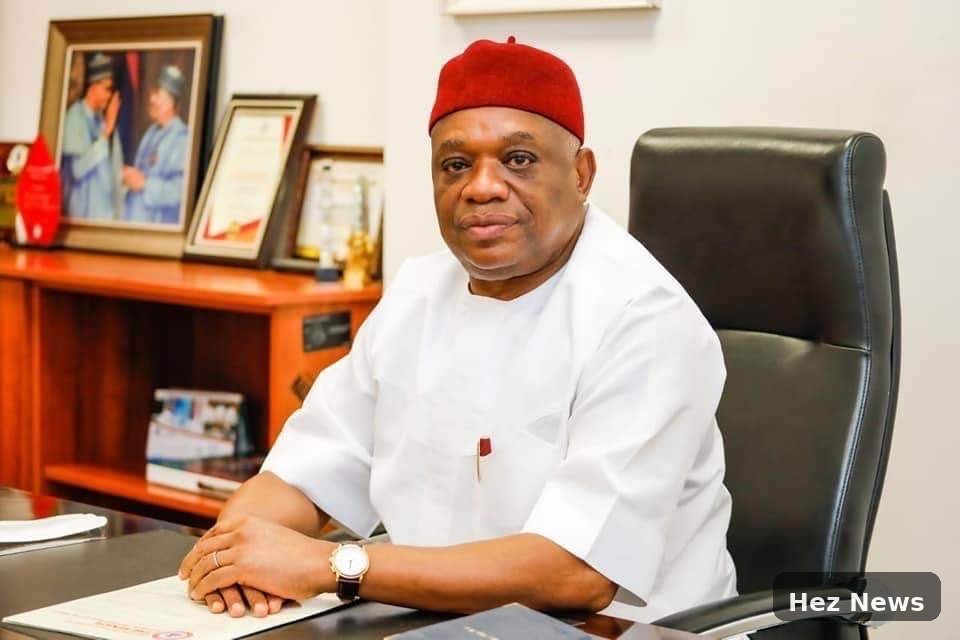
The economy of Nigeria is currently facing significant challenges, and Orji Uzor Kalu, the senator representing Abia North, has highlighted the two primary factors contributing to this struggle: the soaring price of fuel and the depreciating naira exchange rate.
Fuel Prices: A Heavy Burden
The price of fuel in Nigeria has been a contentious issue for years, and it continues to exert immense pressure on the economy. With the recent hikes in fuel prices, many Nigerians are feeling the pinch as transportation and goods become increasingly expensive. This challenge not only affects the daily lives of citizens but also impacts businesses that rely heavily on fuel for their operations.
Kalu emphasized that high fuel prices lead to increased production costs, which in turn affects the pricing of goods and services across various sectors. As a result, inflation rates have surged, leaving many households struggling to make ends meet.
The Naira Exchange Rate Crisis
In addition to fuel prices, the naira exchange rate has been a major topic of concern. The currency has seen significant depreciation against major foreign currencies, which has exacerbated the cost of imports and further strained the economy. Kalu pointed out that the unstable exchange rate not only affects consumers but also has a direct impact on businesses that depend on imported goods.
The fluctuation in the naira's value is causing uncertainty among investors, making it difficult for businesses to plan for the future. As Kalu noted, a stable currency is essential for economic growth and investor confidence.
Call for Action
In light of these pressing issues, Kalu has called on the government to take decisive action to address both the rising fuel prices and the naira's instability. He believes that without immediate intervention, the economic situation could deteriorate further, leading to increased hardship for Nigerians.
Kalu's remarks resonate with many citizens who are eager for solutions to these ongoing economic challenges. As the country navigates these turbulent waters, it remains to be seen how the government will respond to the concerns raised by the senator and the wider public.
Conclusion
The current economic landscape in Nigeria is precarious, with fuel prices and the naira exchange rate at the forefront of the challenges facing the nation. As discussions continue around potential solutions, the voices of lawmakers like Orji Uzor Kalu are crucial in shaping policies that address these pressing issues.

Leave a Comment