
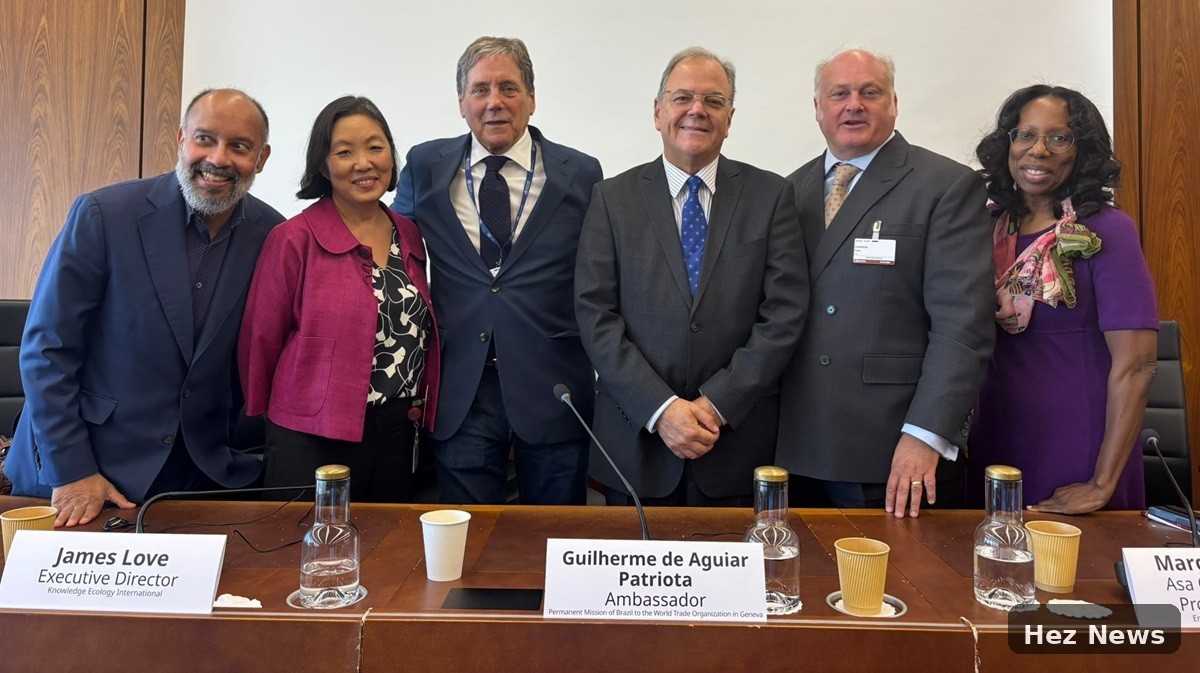
The World Health Organization (WHO) recently hosted a significant meeting at the World Intellectual Property Organization's Intergovernmental Committee (WIPO-IGC) to discuss the governance of traditional medicine knowledge in the age of artificial intelligence. This gathering brought together experts from various sectors, including international organizations, academia, governments, and civil society.
Importance of Traditional Medicine
Traditional medicine has a rich heritage, particularly in Nigeria, where it plays a crucial role in healthcare. Many Nigerians rely on traditional healing practices that have been passed down through generations. As the global interest in such practices grows, particularly with the rise of AI technologies, the need for a structured governance framework becomes essential.
Key Participants and Perspectives
Notable participants in the discussions included Dr. Suerie Moon, a prominent figure in global health governance, and Ambassador Guilherme de Aguiar Patriota, who emphasized the importance of protecting indigenous knowledge. James Love, Peter Harrison, and Margo A Bagley also contributed to the dialogue, bringing diverse perspectives on how technology can interface with traditional practices.
Challenges in the AI Era
One of the significant challenges highlighted during the discussions is the risk of misappropriation of traditional knowledge. As AI systems are increasingly used to analyze and replicate traditional medicine, the potential for exploitation rises. Participants stressed the necessity for robust legal frameworks that ensure the rights of indigenous communities are respected and protected.
Recommendations for Governance
To address these challenges, the WHO and its partners recommended several strategies, including:
- Establishing clear legal guidelines that define the ownership and usage rights of traditional medicinal practices.
- Encouraging collaboration between traditional healers and modern medical practitioners to bridge the gap between both worlds.
- Implementing educational programs that raise awareness about the value of traditional medicine and the importance of protecting it.
Nigeria's Role in Global Traditional Medicine
Nigeria, with its diverse ethnic groups, boasts a wealth of traditional healing practices. The discussions at the WIPO-IGC are particularly relevant for Nigeria, where the integration of traditional knowledge with modern healthcare could enhance the country's health outcomes. The Nigerian government is encouraged to take proactive steps in establishing frameworks that protect traditional medicine while embracing technological advancements.
Conclusion
The conversation at the WHO and WIPO-IGC serves as a wake-up call for nations, especially those rich in traditional knowledge like Nigeria. As the world moves towards a more technologically advanced future, safeguarding the rights of traditional healers and their knowledge systems is paramount. The collaboration between various stakeholders will be essential to ensure that traditional medicine not only survives but thrives in the AI era.




Leave a Comment