

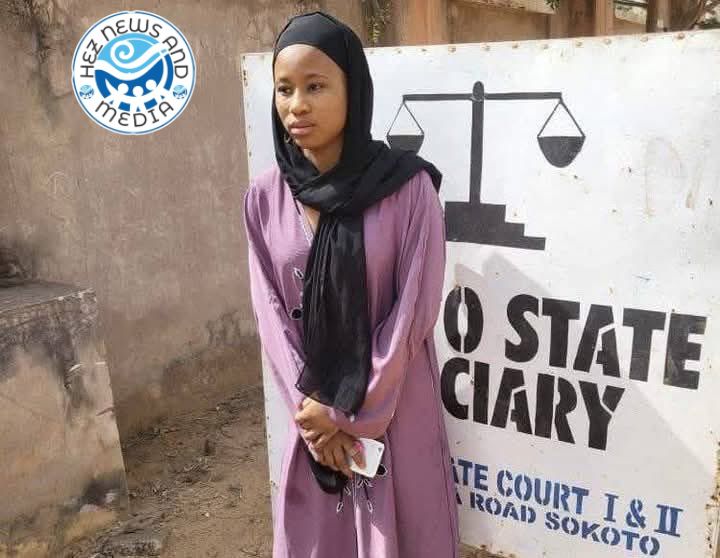
An 18-year-old girl has been sentenced to two years in prison and 12 strokes of the cane—for simply speaking out online about poverty, rape, terrorism, and banditry in Sokoto State.
The reported sentencing of an 18-year-old girl in Sokoto State to two years in prison and 12 strokes of the cane for expressing her views online about poverty, rape, terrorism, and banditry is deeply concerning. Such actions raise significant questions about the state of freedom of expression and human rights in Nigeria.
Nigeria’s constitution guarantees freedom of expression. However, there have been increasing instances where individuals face legal repercussions for their online activities. For example, the Cybercrime Act of 2015 has been used to arrest and prosecute individuals for alleged cyberstalking and defamation, leading to concerns about its impact on free speech .
International organizations have also expressed alarm over Nigeria’s approach to freedom of expression. Amnesty International has criticized proposed legislation, such as the “Hate Speech” and “Social Media” bills, arguing that they could be used to suppress dissent and punish critics of the government .
Moreover, the ECOWAS Court of Justice has ruled that Nigeria violated human rights during the #EndSARS protests, emphasizing the need for the country to uphold its obligations under the African Charter on Human and Peoples’ Rights .
The reported punishment of the young woman in Sokoto State underscores the urgent need for Nigeria to align its laws and practices with international human rights standards, ensuring that individuals can express their views without fear of retribution.




Leave a Comment