

The rise of political violence around the world has become a pressing issue, with factors that are increasingly complex and interlinked. This phenomenon has been observed in various regions, including in Nigeria, where the political landscape is often marred by violence and unrest.
Understanding the Context
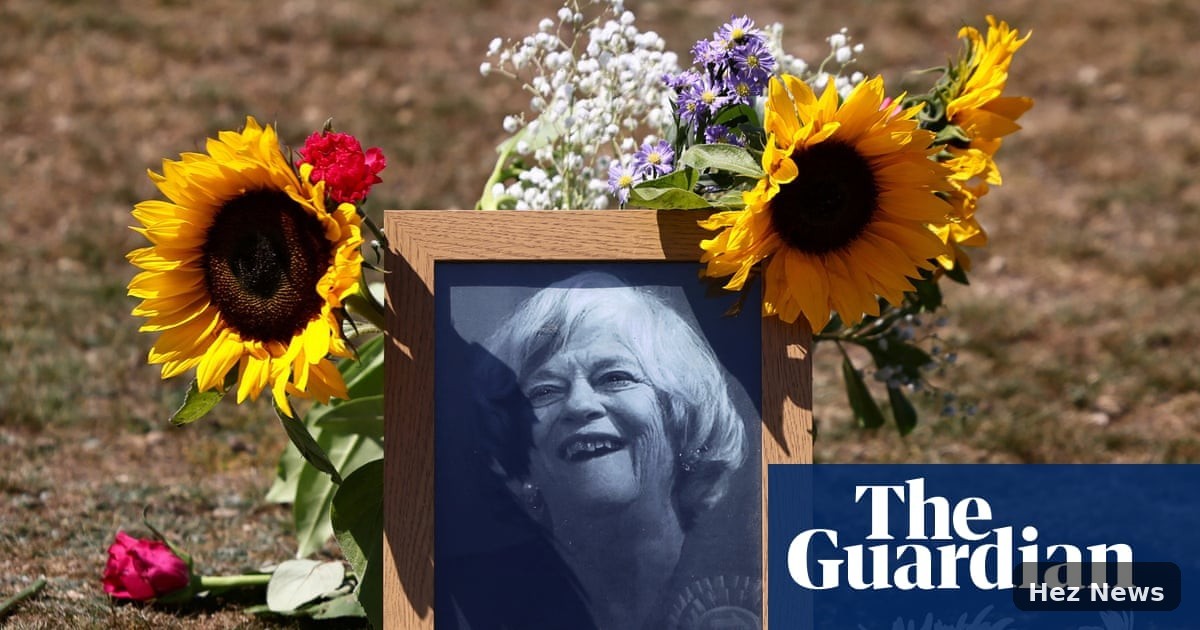
Recent global events have highlighted how political ideologies can lead to extreme actions. The case of Ann Widdecombe, a former UK government minister and a prominent figure in the radical-right Reform UK party, is a stark reminder of the potential consequences of unchecked political rhetoric. Widdecombe's recent death has ignited discussions on the impact of political extremism.
The Intersection of Politics and Violence
Political violence is not a new phenomenon; however, the current climate is different. In Nigeria, the ongoing electoral processes have been punctuated by violence, which often stems from political rivalry, ethnic tensions, and economic disparities. The implications are dire, as fear and instability can deter citizen participation in governance and civil society.
Factors Contributing to Political Violence
Radical Ideologies: The rise of radical political movements globally, including in Nigeria, has contributed significantly to the violence. These ideologies often promote divisive narratives that can incite their followers to engage in violent acts against perceived enemies.
Socioeconomic Factors: High unemployment rates and poverty can fuel frustrations among the populace, leading to unrest. In Nigeria, many young people feel disenfranchised, which makes them susceptible to manipulative political agendas that may resort to violence.
Weak Governance: Inadequate governance and lack of accountability exacerbate tensions. When citizens feel their grievances are not being addressed through legitimate channels, they may resort to violence as a means of expressing dissent.
Global Perspectives and Local Implications
The situation in Nigeria is part of a larger global issue where political violence is becoming increasingly normalized. Countries across continents are witnessing similar patterns, prompting international organizations to call for urgent measures to address the underlying causes.
For Nigeria, the way forward involves strengthening democratic institutions and promoting inclusive governance. Civil society organizations play a crucial role in bridging the gap between the government and the populace, ensuring that voices from all segments of society are heard.
Conclusion: A Call to Action
As political violence continues to threaten stability, it is imperative that both local and global communities engage in meaningful dialogues. Addressing the root causes of political violence requires a multifaceted approach that includes education, economic development, and the promotion of peaceful political discourse.
In light of the ongoing challenges, it is essential for Nigerians to remain vigilant and proactive in advocating for a peaceful political environment. Only through collective efforts can the cycle of violence be broken, paving the way for a more stable and prosperous future.





Leave a Comment