

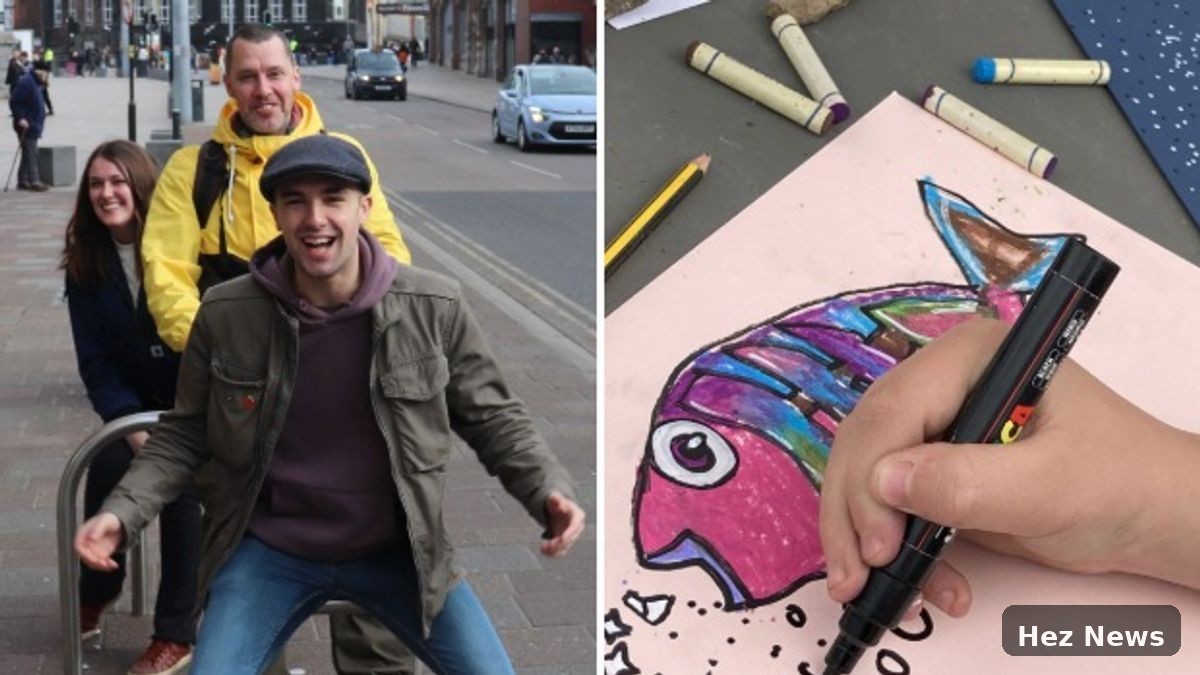
A Hull-based art education company, Creative Briefs, has recently launched an appeal for business sponsorship to support its initiatives aimed at neurodivergent young individuals. This appeal comes as part of their ongoing commitment to providing art-based learning opportunities for those who perceive the world through a different lens.
Understanding Neurodiversity in Education
Neurodiversity refers to the natural variation in human brain function and behavior. This concept is particularly relevant in educational settings where traditional teaching methods may not cater to the unique needs of neurodivergent students, including those with conditions such as autism, ADHD, and dyslexia. In Nigeria, awareness and acceptance of neurodiversity are gradually increasing; however, there remains a substantial gap in tailored educational resources.
The Role of Creative Briefs
Creative Briefs has been instrumental in providing a supportive and engaging environment for young people in Hull for over a decade. By focusing on art as a medium for expression, the organization aims to help these individuals enhance their creativity, build confidence, and develop essential life skills. The founder of Creative Briefs expressed, “This is the outlet I wish I’d have had when I was younger.” This sentiment resonates deeply within communities that strive to provide better educational opportunities for all children, regardless of their cognitive differences.
Call for Support
The organization’s current appeal seeks to partner with local businesses to raise funds that will enable them to expand their programs. Sponsorship would not only assist in financing workshops and art supplies but also in creating a more inclusive environment where neurodivergent youths can thrive. The success of such initiatives in Nigeria could pave the way for similar programs, providing a model for addressing the diverse needs of learners.
Impact of Art-Based Learning
Art-based learning has proven to be an effective tool for enhancing cognitive development and emotional well-being. In Nigeria, where educational challenges persist, integrating art into the curriculum could offer a much-needed alternative for engaging students who struggle with conventional learning methods. Programs similar to Creative Briefs could foster a sense of community and understanding among students, parents, and educators alike.
Conclusion
As Creative Briefs embarks on this new sponsorship appeal, it highlights a vital need for support systems that cater to neurodivergent youth. With the right backing, initiatives like these could not only change lives in Hull but also inspire similar movements in Nigeria, where the need for inclusive educational practices is becoming increasingly apparent. For those interested in supporting this cause, further information is available on Creative Briefs’ website.



Leave a Comment