

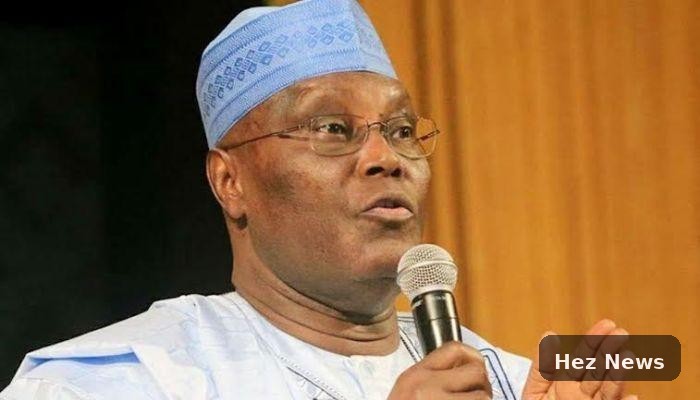
The political landscape in Nigeria is heating up as the countdown to the 2027 presidential election intensifies. Atiku Abubakar, a prominent figure in the African Democratic Congress (ADC), has publicly challenged Governor Nyesom Wike of Rivers State, asserting that the people of Rivers are not his political property.
This exchange of words marks a significant moment in the ongoing rivalry between the two leaders. Atiku's remarks come in the wake of Wike's attempts to assert his influence over the political dynamics in Rivers State, a key battleground in Nigerian politics.
Political Context
Rivers State has long been a pivotal region for political parties in Nigeria, given its strategic importance and economic resources. The state's political allegiance can greatly influence the outcome of national elections. Atiku's statement underscores a growing concern among voters and political analysts alike regarding the ownership mentality some politicians exhibit towards their constituencies.
In his address, Atiku emphasized the need for politicians to recognize and respect the autonomy of the electorate. He stated, “The people of Rivers deserve to choose their leaders freely without feeling beholden to any individual.” This statement has resonated with many who believe that democracy should empower the electorate rather than create a sense of dependency on political figures.
Wike's Response
Governor Wike has yet to respond directly to Atiku's comments, but his administration has been characterized by a strong grip on party politics in Rivers State. His supporters argue that his leadership has brought development to the state, while critics contend that it has fostered a culture of political patronage.
As the 2027 elections approach, the contest between Atiku and Wike is likely to shape the narrative of Nigerian politics in the coming months. Analysts suggest that both leaders will need to address the concerns of their constituents to win their support.
The political rivalry is not only a contest for power but also a reflection of the broader issues facing Nigeria, including governance, accountability, and the role of political elites in a democratic society.
As the situation evolves, citizens and political watchers across the nation are keenly observing how these dynamics will unfold in the lead-up to the elections, with many hoping for a more democratic and participatory political process.
Leave a Comment